
Home Euthanasia for Pets: A Compassionate Alternative
Home euthanasia for pets offers a deeply compassionate option during one of the most emotional times in a pet owner’s life. Losing a beloved animal…

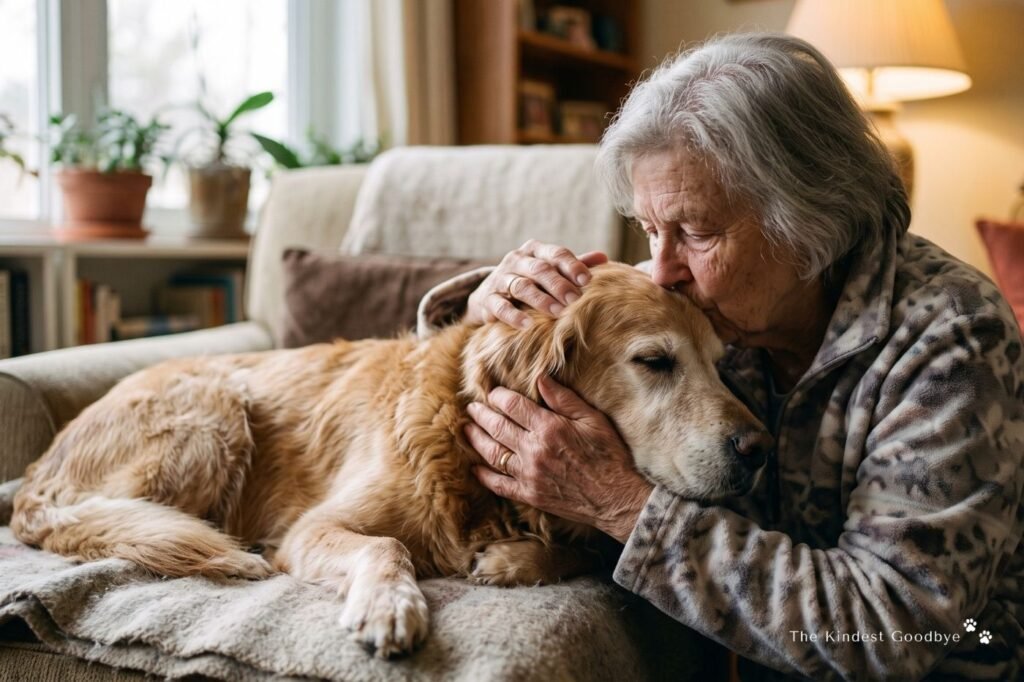
Let’s talk about pet quality of life.
As our pets grow older, their needs naturally change. Many families notice subtle differences in their dog’s or cat’s behaviour long before a diagnosis is made. They may sleep more, move more slowly, lose interest in favourite activities, or simply seem quieter than usual.
Understanding your pet’s quality of life is one of the most important parts of caring for a senior companion. Rather than focusing on age alone, pet quality of life considers your pet’s comfort, happiness, mobility, and ability to enjoy everyday life.
This science based guide explains how veterinarians assess pet quality of life in the United Kingdom, the signs that may indicate declining wellbeing, and how families can support their pet with compassion throughout their senior years.
Quality of life refers to your pet’s overall physical, emotional, and mental wellbeing. It is not simply about how long a pet lives but how comfortably and happily they are living.
Veterinarians look at several factors when assessing pet quality of life, including:
Many pets continue to live happy and fulfilling lives despite chronic illness when these areas are well managed.
Senior pets often develop conditions that progress gradually. Arthritis, kidney disease, cancer, heart disease, dementia, and neurological disorders can slowly reduce their ability to enjoy life.
Regular quality of life assessments help families:
Rather than waiting for an emergency, assessing quality of life allows families to make thoughtful decisions with their veterinarian.
Some changes are subtle, while others become more noticeable over time.
Common signs include:
One sign alone does not necessarily indicate poor quality of life. However, multiple changes occurring together often warrant a veterinary assessment.
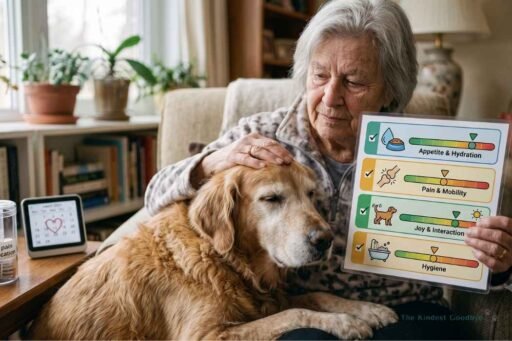
Veterinary professionals increasingly use structured assessment tools rather than relying solely on emotion.
One widely recognised method evaluates several important categories, including:
Can your pet’s pain be effectively managed?
Are they eating enough to maintain body condition?
Are they drinking adequately or requiring additional support?
Can they stay clean without discomfort?
Do they still enjoy family interaction and activities?
Can they move comfortably and safely?
Looking over recent weeks, are there still more enjoyable days than difficult ones?
Considering these factors together provides a more balanced picture than focusing on one symptom alone.
Many quality of life concerns can be improved through supportive care.
Your veterinarian may recommend:
Simple changes such as non slip flooring, raised food bowls, soft bedding, and easier access to favourite areas can significantly improve comfort.
Many families worry about making the wrong decision.
Questions often include:
These feelings are completely understandable.
Using a structured quality of life assessment alongside guidance from your veterinarian helps replace uncertainty with informed, compassionate decision making.
Sometimes medical treatment can no longer provide adequate comfort.
This may occur when:
Choosing end of life care is never about giving up.
For many families, it is a final act of love that prevents unnecessary suffering while preserving dignity.
When the time comes to say goodbye, many UK families choose in home pet euthanasia.
Remaining at home allows pets to stay in familiar surroundings, close to the people who love them.
Benefits may include:
Every family’s journey is unique, and there is no universally right time. Your veterinarian can help you understand your pet’s condition and discuss the options available.
Quality of life is about far more than age or diagnosis. It is about ensuring every day your pet experiences is filled with as much comfort, love, and dignity as possible.
By recognising the signs of declining wellbeing early and working closely with your veterinarian, you can make informed decisions that prioritise your pet’s happiness throughout every stage of life.
If you are facing difficult decisions about your pet’s quality of life, our compassionate vets at The Kindest Goodbye are here to guide you through every step with care, understanding, and dignity. You are not alone.
Continue learning about senior pet care, quality of life, and compassionate end of life support with these related articles:
Home euthanasia for pets offers a deeply compassionate option during one of the most emotional times in a pet owner’s life. Losing a beloved animal…

Tick Bites and Lyme Disease in Pets Tick bites and Lyme disease are important concerns for pet owners, especially during warmer months when ticks are…
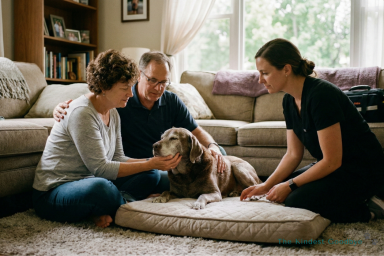
Making the decision to say goodbye to a beloved pet through in-home pet euthanasia is one of the most difficult choices a family can face….
If you would like to learn more or need advice, we offer free phone consultations with our caring team or one of the vets in our network to discuss your pet's situation.
If you would like to organise a peaceful farewell for your beloved pet at home, you can make a booking request and we will get back to you ASAP to confirm availability.
Pricing information can be found here.

The Kindest Goodbye now offers clients one month of free grief counselling and support through Griefity when you book with us. We also partner with Trees for Pets to offer discounted memorial tree planting to honour your pet's memory