
Pet Euthanasia: How Do You Know If Your Pet Is In Pain?
Pet owners often wonder when their pet is in pain and how they’ll know when it’s time to euthanise their pet. The answer is not…

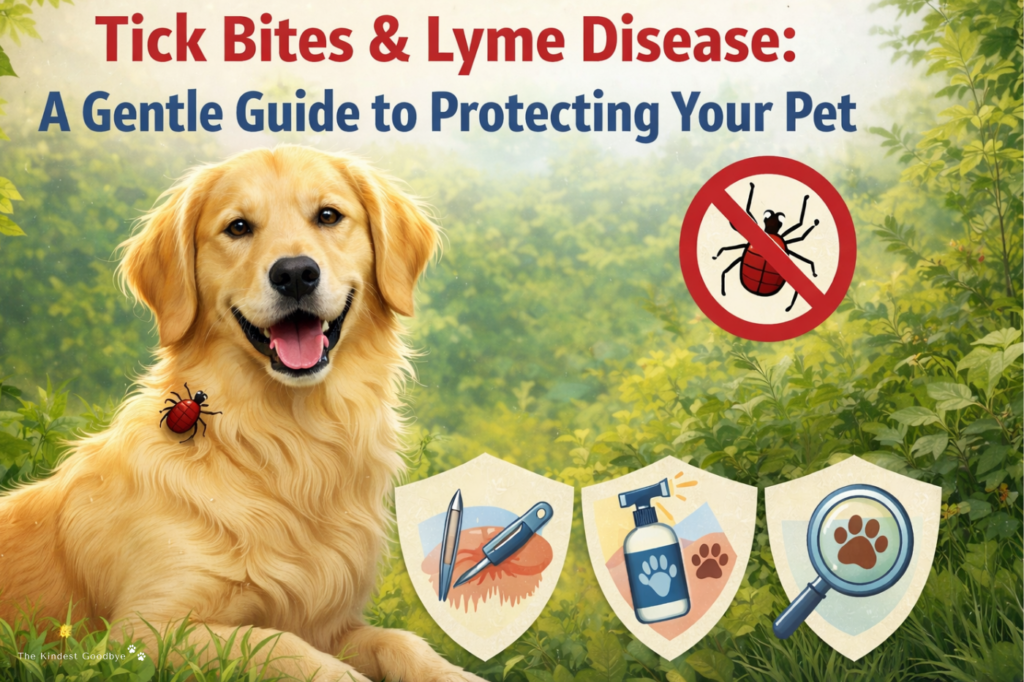
Tick bites and Lyme disease are important concerns for pet owners, especially during warmer months when ticks are more active. Understanding the risks, early signs, and prevention steps can help protect your pet’s health and wellbeing.
A simple walk in the park, a play in the garden these everyday moments can sometimes expose our pets to ticks.
While many tick bites are harmless, some can carry Lyme disease, a condition that can affect your pet’s joints, comfort, and overall quality of life if left untreated.
The good news? With awareness and early action, you can protect your pet from tick bites and lyme disease.
Lyme disease is a bacterial infection transmitted through the bite of infected ticks.
Not every tick carries it but when it does, the effects can develop gradually and may not be immediately obvious.
That’s why knowing what to look for matters.
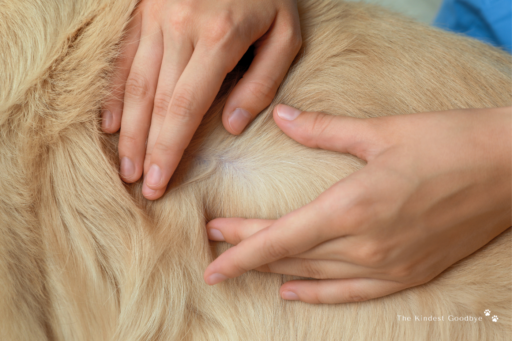
Symptoms can appear days or even weeks after a tick bite.
Keep an eye out for:
You know your pet best if something feels different, trust that instinct.
Finding a tick can feel alarming but staying calm helps.
If you’re unsure or uncomfortable, your vet can safely remove it for you.
Prevention is one of the kindest ways we can care for our pets.
Here are simple ways to reduce risk:
A quick check each day can make a big difference.
Not every tick bite leads to Lyme disease.
And not every symptom means something serious.
But staying informed means you can act early and give your pet the comfort and care they deserve.
Reach out to your vet if:
Early care can prevent complications and help your pet recover more comfortably.

At The Kindest Goodbye, we walk alongside pet families through every stage of their journey not just the final goodbye.
Because caring for them…
means protecting their comfort, their health, and their quality of life every step of the way.
If you’re unsure about your pet’s symptoms or simply need reassurance, don’t hesitate to seek professional advice.
Your pet’s wellbeing is always worth that extra care specially away from tick bites and lyme disease.
Read More
If you found this guide helpful, you may also find comfort and support in these resources:
• How to Cope with the Loss of a Dog After Euthanasia
👉 https://thekindestgoodbye.co.uk/how-to-cope-with-the-loss-of-a-dog
• What to Expect from In Home Pet Euthanasia
👉 https://thekindestgoodbye.co.uk/what-to-expect-in-home-euthanasia
• Helping Children Understand Pet Loss
👉 https://thekindestgoodbye.co.uk/helping-children-cope-with-pet-loss
• RSPCA – Advice on pet health and parasite prevention
👉 https://www.rspca.org.uk
• PDSA – Understanding tick risks and pet care
👉 https://www.pdsa.org.uk
Taking a few moments to stay informed can make a meaningful difference to your pet’s comfort and wellbeing. If you are ever unsure, reaching out to your vet is always the kindest next step. 💛

Pet owners often wonder when their pet is in pain and how they’ll know when it’s time to euthanise their pet. The answer is not…

Hypertrophic Cardiomyopathy (HCM) is the most common heart disease in cats, characterised by thickening of the heart muscle, which can reduce the heart’s ability to…

You’re seeking to arrange a home euthanasia for your dog? Parting with a beloved pet is among the most heart-wrenching moments a pet owner can…
If you would like to learn more or need advice, we offer free phone consultations with our caring team or one of the vets in our network to discuss your pet's situation.
If you would like to organise a peaceful farewell for your beloved pet at home, you can make a booking request and we will get back to you ASAP to confirm availability.
Pricing information can be found here.

The Kindest Goodbye now offers clients one month of free grief counselling and support through Griefity when you book with us. We also partner with Trees for Pets to offer discounted memorial tree planting to honour your pet's memory