Pet Euthanasia and Animal Welfare: Understanding the Veterinary Decision
Pet euthanasia is one of the most difficult decisions a pet owner may ever have to face. When a beloved dog or cat is seriously…

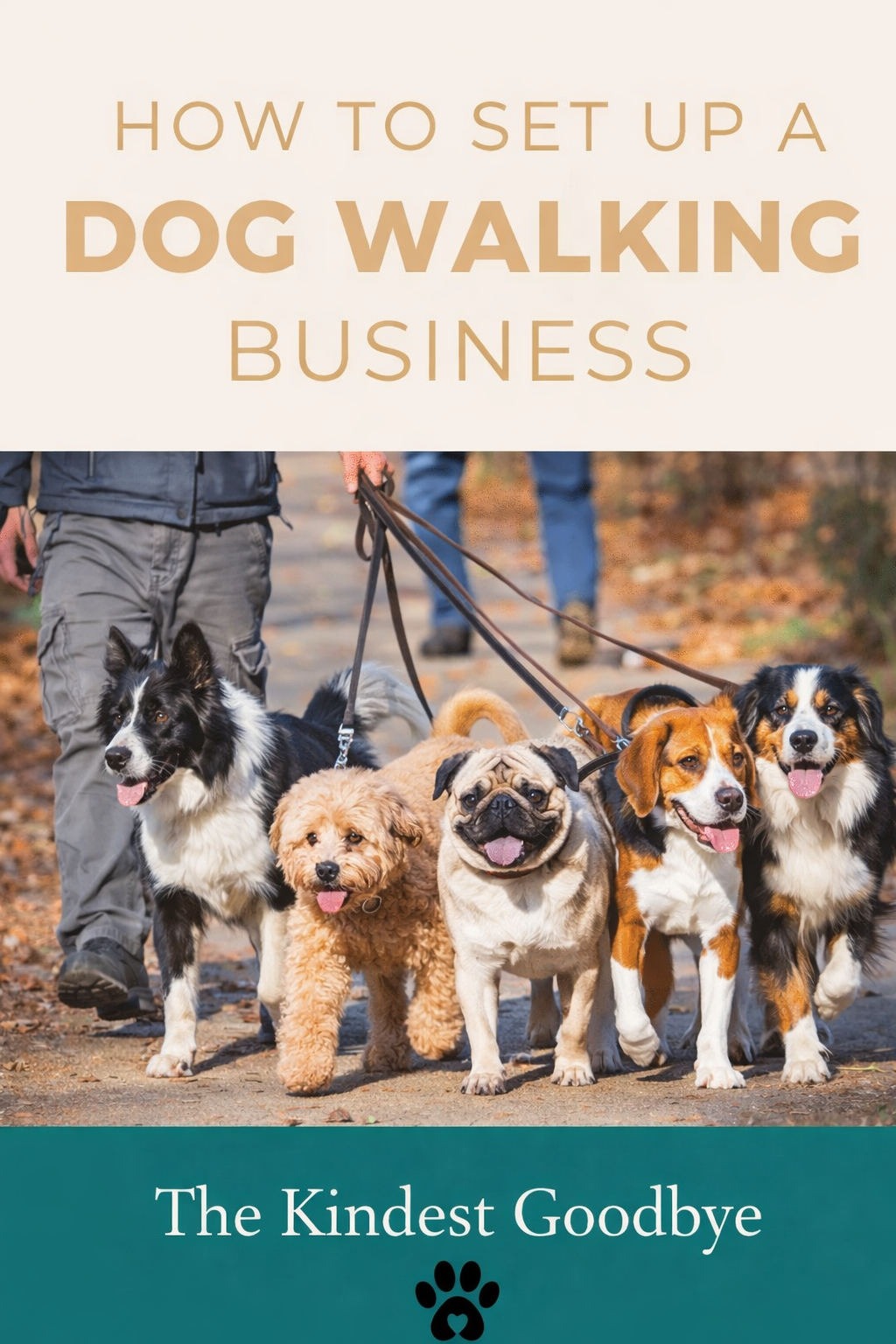
How to set up a dog walking business is a question many people in the UK ask when they are looking for flexible work, meaningful income, and a way to spend more time outdoors with animals. Dog walking sits at the intersection of companionship, routine, and trust. It is not just about exercise. It is about responsibility, reliability, and understanding the role pets play in people’s lives.
This guide is designed to walk you through the full process of starting a dog walking business in the UK. It is written for beginners, career changers, animal lovers, and those seeking self-employment that feels grounded and purposeful. It covers legal requirements, pricing, insurance, marketing, daily operations, and long-term sustainability, all within the context of UK regulations and culture.
The goal is clarity, not hype. Dog walking can be rewarding, but it is also real work. Understanding what is involved from the beginning helps build a business that is safe, trusted, and lasting.
Before thinking about logos, prices, or social media, it is important to understand what dog walking actually entails on a day-to-day basis.
A professional dog walker is responsible for someone else’s animal. That responsibility includes safety, wellbeing, behaviour management, and communication with the owner. Walks must happen in all weather conditions. Dogs may pull, bark, refuse to move, or react unpredictably to other animals or people. Routes need to be chosen carefully. Timekeeping matters. Trust matters even more.
In the UK, dog walking is often a repeat service. Many clients book the same walker multiple times per week. This means reliability is essential. Cancelling frequently or arriving late quickly damages reputation. At the same time, many dog walkers value the autonomy and rhythm of the work. It can suit people who prefer routine, movement, and one-to-one responsibility over desk-based jobs.
Understanding this reality early helps shape the type of business you build.
Dog walking is sometimes presented as an easy or low-effort business. In practice, it suits certain personalities and lifestyles better than others.
It tends to work well for people who:
It may be less suitable if you struggle with weather exposure, physical strain, or last-minute changes. Dogs do not pause their needs for rain, illness, or holidays.
Taking time to reflect honestly on your capacity and preferences will save stress later.
Dog walking demand varies significantly by location. Urban areas, commuter towns, and suburbs with working households tend to have higher demand. Rural areas may have fewer clients but less competition.
Before setting anything up, spend time observing:
Search local Facebook groups, community boards, and Google Maps. Walk around parks during weekday mornings and afternoons. Notice how many dogs are being walked professionally. This informal research provides valuable insight into pricing, expectations, and opportunity.
Demand is also influenced by local working patterns. Areas with high levels of office work or long commutes often rely heavily on dog walking services.
Most dog walkers in the UK start as sole traders. This structure is simple, flexible, and suitable for small service-based businesses.
As a sole trader, you:
Some people later choose to form a limited company, but for most new dog walkers this is unnecessary at the start. Sole trader status keeps administration manageable and costs low.
Registering early helps ensure you are compliant and avoids stress later.
To operate legally in the UK, you need to take several formal steps.
First, register as self-employed with HMRC. This can be done online and should be completed as soon as you begin trading.
Second, open a separate business bank account. While not legally required for sole traders, it makes bookkeeping clearer and more professional.
Third, consider registering your business name if you plan to operate under a name other than your own. Check that the name is not already in use locally to avoid confusion.
Finally, understand your local council requirements. Some councils require dog walkers to hold permits to use certain parks or green spaces, especially for group walks. Rules vary by location, so checking early prevents issues later.
Insurance is not optional for a professional dog walking business. It protects you, the dogs, and your clients.
At a minimum, you should have:
Public liability insurance covers injury or damage caused to third parties. Care, custody, and control covers injury or loss involving dogs in your care.
Many insurers offer policies specifically designed for dog walkers. These often include additional protections such as key cover or legal expenses.
In the UK, dog walkers are also expected to understand and follow animal welfare laws. This includes ensuring dogs are not walked for excessive periods, have access to water, and are transported safely if applicable.
While dog walking is not a heavily regulated industry, there are important guidelines and legal expectations.
Dogs must be kept under control at all times. This includes recalling them when needed and preventing aggressive behaviour. Some councils limit the number of dogs that can be walked at once. Exceeding these limits can result in fines or bans from certain areas.
It is also essential to understand the Dangerous Dogs Act and breed-specific rules. Some dogs may require leads or muzzles in public spaces.
Best practice includes:
Professionalism is demonstrated through preparation and consistency.
Pricing varies widely across the UK. Factors include location, experience, group size, and walk duration.
Typical UK prices range from:
Group walks are often priced lower per dog, while solo walks cost more. Some walkers offer discounts for multiple weekly bookings or long-term clients.
When setting prices, consider:
Underpricing can lead to burnout. Fair pricing supports sustainability and professionalism.
Clients want to know exactly what they are paying for. Clear service descriptions build trust and reduce misunderstandings.
Define:
Being upfront avoids tension later. Many successful dog walkers also provide short updates or photos after walks, which reassures owners and strengthens relationships.
Most dog walking businesses grow through local visibility and word of mouth rather than aggressive advertising.
Effective UK-specific strategies include:
A simple website explaining who you are, where you operate, and how to contact you adds credibility. It does not need to be complex. Clarity matters more than design.
Trust is the foundation of client decisions in this industry.
Trust is earned through reliability, communication, and care.
Simple actions make a difference:
Many dog walkers use meet-and-greet sessions before accepting new clients. This allows you to assess compatibility and answer questions. It also reassures owners that you understand their dog’s needs.
Transparency builds long-term relationships.
As your business grows, organisation becomes increasingly important.
Using a diary or scheduling app helps manage bookings, routes, and availability. Some dog walkers use specialised pet care software, while others rely on calendars and spreadsheets.
Plan routes to minimise travel time. Group dogs carefully based on size, energy level, and temperament. Avoid overbooking. Physical and mental fatigue can affect judgement and safety.
A sustainable pace protects both you and the dogs.
Every dog walking business encounters challenges. Dogs may become ill, escape leads, or behave unexpectedly. Weather can disrupt schedules. Clients may cancel at short notice.
Preparing for these situations reduces stress. This includes having:
Staying calm and communicative during difficulties often strengthens client trust rather than damaging it.
Growth does not always mean taking on more dogs. It can also mean improving systems, raising prices, or refining your niche.
Some dog walkers expand into:
Others choose to remain small and focused. There is no single correct path. Sustainability depends on aligning work with capacity and values.
Income varies widely. A full-time dog walker with a strong client base may earn a stable income, while part-time walkers often supplement other work.
Expenses include insurance, equipment, transport, marketing, and taxes. Profit comes from careful pricing and efficient scheduling rather than volume alone.
Setting realistic expectations helps avoid disappointment and burnout.
Dog walking is a care profession. Ethical decisions matter.
This includes:
Putting welfare first builds a reputation that lasts.
Reputation grows slowly and can be damaged quickly. Treating the business as a professional service rather than a casual side job makes a difference.
Clear communication, consistent boundaries, and respect for both animals and owners form the foundation of a trusted dog walking business in the UK.
How to set up a dog walking business in the UK is not just about registering a service. It is about stepping into a role of trust within people’s lives and routines.
For those who approach it with care, preparation, and respect, dog walking can offer meaningful work, steady income, and daily connection with animals. Starting thoughtfully sets the tone for everything that follows.
Pet euthanasia is one of the most difficult decisions a pet owner may ever have to face. When a beloved dog or cat is seriously…

When facing the heartbreaking decision of euthanising a terminally ill pet, many owners struggle with what comes next. One of the most important and emotional…
The Kindest Goodbye Partners with Griefity to Offer Ongoing Pet Loss Support in the UK Supporting Families Beyond Goodbye Saying goodbye to a beloved pet…
If you would like to learn more or need advice, we offer free phone consultations with our caring team or one of the vets in our network to discuss your pet's situation.
If you would like to organise a peaceful farewell for your beloved pet at home, you can make a booking request and we will get back to you ASAP to confirm availability.
Pricing information can be found here.

The Kindest Goodbye now offers clients one month of free grief counselling and support through Griefity when you book with us. We also partner with Trees for Pets to offer discounted memorial tree planting to honour your pet's memory