How to Cope with the Loss of a Dog After Pet Euthanasia: A Gentle and Honest Guide for Grieving Owners
A gentle and honest guide for grieving families Losing a dog after euthanasia is one of the most heartbreaking experiences a pet owner can face….

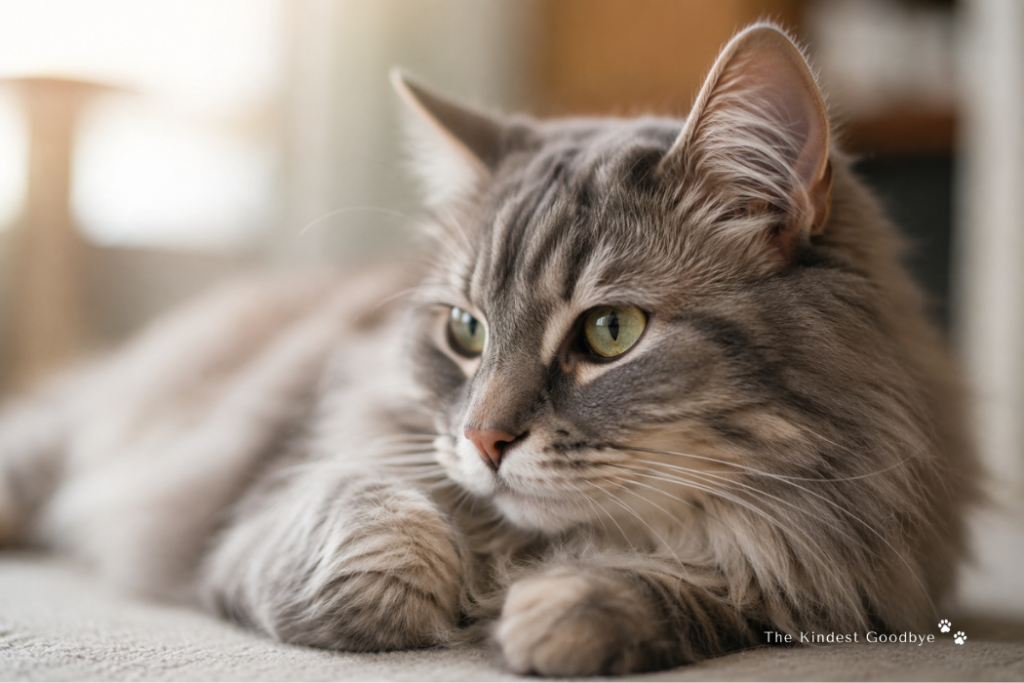
Hypertrophic Cardiomyopathy (HCM) is the most common heart disease in cats, characterised by thickening of the heart muscle, which can reduce the heart’s ability to pump blood effectively. While some cats may show no obvious symptoms, early detection is crucial for managing the condition, preventing complications, and maintaining quality of life.
Understanding the causes, signs, and treatment options for HCM helps cat owners provide timely care, comfort, and support, ensuring their feline companions remain happy and healthy despite this serious condition.
Hypertrophic Cardiomyopathy (HCM) is the most common heart disease in cats, characterised by thickening of the heart muscle, particularly the left ventricle. This thickening can reduce the heart’s ability to pump blood efficiently, leading to heart failure, blood clots, or sudden collapse.
HCM can affect cats of any age or breed, but certain breeds, such as Maine Coons, Ragdolls, and British Shorthairs, are genetically predisposed. Early detection is crucial to manage symptoms and improve quality of life.
The exact cause of HCM in cats is often unknown, but several factors contribute:
Recognising at-risk cats allows for early screening and preventive care.
Symptoms of HCM can be subtle and may develop gradually:
Because some cats show no obvious symptoms, regular veterinary check-ups are essential for early detection.
Veterinarians use several tools to diagnose HCM:
Accurate diagnosis ensures the cat receives appropriate treatment and monitoring.
Treatment strategies depend on severity and symptoms:
Even with HCM, cats can often enjoy a comfortable and fulfilling life with proper care.
Ongoing management of HCM involves:
Consistent monitoring helps catch complications early, improving prognosis and quality of life.
Cats with HCM may develop serious complications, including:
Awareness of these risks ensures owners can respond quickly to emergency situations.
Home care can significantly improve comfort and wellbeing:
Thoughtful home management helps cats maintain dignity, comfort, and a higher quality of life.
Proper nutrition supports cardiac health in cats with HCM:
Good nutrition, combined with medication and monitoring, contributes to long-term wellbeing.
Caring for a cat with HCM requires vigilance, regular veterinary check-ups, and supportive home care. With proper medication, lifestyle adjustments, and monitoring, many cats can continue to lead comfortable and fulfilling lives. Early intervention and ongoing management play a vital role in preserving your cat’s wellbeing, mobility, and happiness.
Read More
Heart disease can be difficult to recognise in cats because many symptoms develop gradually or remain hidden until the condition becomes advanced. Understanding common feline health conditions, monitoring quality of life, and recognising when veterinary support is needed can help you make informed decisions about your cat’s care and wellbeing.
🐾 From The Kindest Goodbye United Kingdom
• When Your Cat Seems Different: Understanding Feline Cognitive Decline
👉 https://thekindestgoodbye.com/uk/blog/feline-cognitive-decline-uk/
• How to Measure the Quality of Life in a Cat
👉 https://thekindestgoodbye.com/uk/blog/how-to-measure-the-quality-of-life-in-a-cat/
• Do Dogs Feel Pain When Being Put to Sleep
👉 https://thekindestgoodbye.com/uk/blog/do-dogs-feel-pain-when-being-put-to-sleep/
• What is the Cost to Put a Dog Down in UK
👉 https://thekindestgoodbye.com/uk/blog/cost-to-put-a-dog-down-in-the-uk/
• Cats Protection – Advice on senior cat care, health conditions, and wellbeing.
• PDSA – Information on ageing cats, veterinary care, and common health concerns.
• Blue Cross – Pet bereavement support and guidance for families caring for older pets.
• International Cat Care – Expert resources on feline health, behaviour, and cognitive decline.
Supporting a cat with Hypertrophic Cardiomyopathy (HCM) often involves ongoing monitoring, veterinary guidance, and a focus on maintaining comfort and quality of life. Learning about age related conditions and recognising changes early can help ensure your feline companion receives the care, support, and compassion they deserve throughout every stage of life.


A gentle and honest guide for grieving families Losing a dog after euthanasia is one of the most heartbreaking experiences a pet owner can face….

Losing a beloved pet is one of the most challenging experiences a pet owner can face. Deciding on euthanasia is a heartbreaking choice, but it…

Making the decision to say goodbye to a beloved pet through in-home pet euthanasia is one of the most difficult choices a family can face….
If you would like to learn more or need advice, we offer free phone consultations with our caring team or one of the vets in our network to discuss your pet's situation.
If you would like to organise a peaceful farewell for your beloved pet at home, you can make a booking request and we will get back to you ASAP to confirm availability.
Pricing information can be found here.

The Kindest Goodbye now offers clients one month of free grief counselling and support through Griefity when you book with us. We also partner with Trees for Pets to offer discounted memorial tree planting to honour your pet's memory