Is At Home Pet Euthanasia Worth the Cost Compared to a Vet Clinic?
Making the decision to say goodbye to a beloved pet is never easy. Alongside the emotional considerations, many families also find themselves comparing the cost…

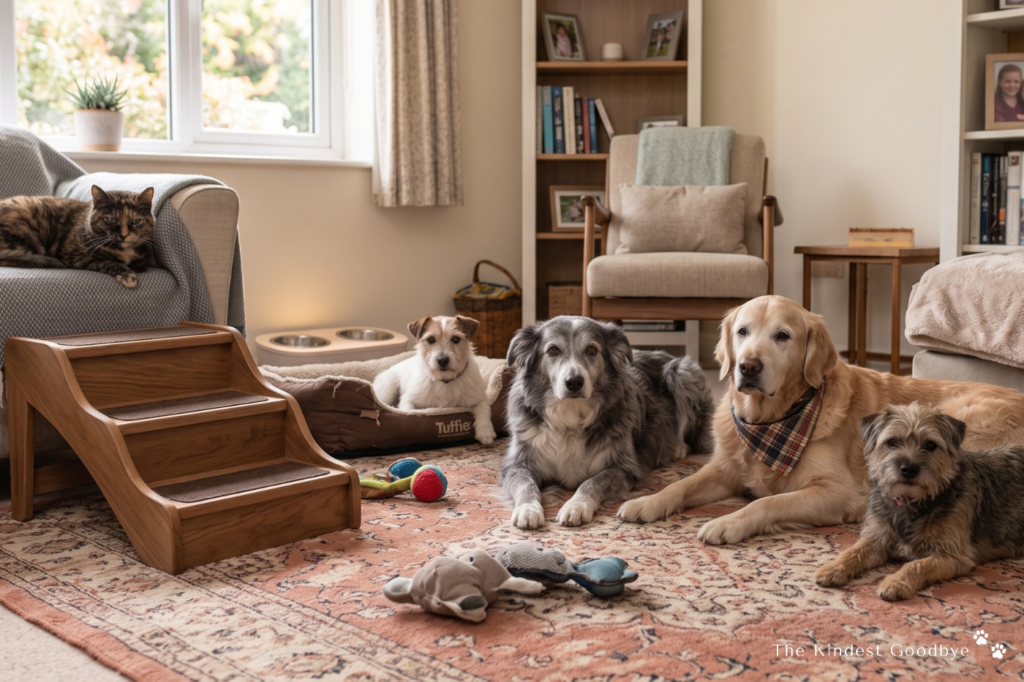
As dogs and cats grow older, changes in mobility, behaviour and daily routines can sometimes be mistaken for a normal part of ageing. However, these changes may also be signs of pain or discomfort.
Senior pets can develop conditions such as arthritis, dental disease, cancer, neurological disorders and other chronic illnesses that may affect their comfort and quality of life. Because animals cannot tell us where they hurt or how severe their pain is, veterinarians use a combination of physical examinations, behavioural observations, medical history and diagnostic testing to assess pain.
Understanding how veterinarians assess pain in senior dogs and cats can help families recognise changes earlier and seek appropriate veterinary support.
Pain assessment is particularly important for older pets because cats and dogs may behave differently when they are uncomfortable. Some animals become withdrawn, while others may become restless, irritable or unusually vocal.
A proper pain assessment helps veterinarians determine whether pain is present, what may be causing it, how significantly it is affecting the pet and which treatment options may provide relief.
Dogs and cats often hide signs of pain.
This behaviour has evolutionary roots. Showing weakness can make an animal vulnerable, so some pets instinctively minimise or conceal signs of discomfort.
As a result, a pet does not necessarily need to cry, whimper or limp before pain should be considered.
Subtle changes can be just as important.
A senior pet that:
Stops jumping onto furniture
Sleeps more than usual
Stops grooming
Becomes reluctant to climb stairs
Avoids being touched
Withdraws from family members
may be experiencing pain even if they remain quiet.
This is particularly important for cats, which can be extremely subtle when experiencing discomfort.
Pain can develop from many different conditions.
Common causes in older pets include:
Arthritis is one of the most common causes of chronic pain in senior pets.
It can cause:
Dental disease can cause significant pain in senior pets.
Signs may include:
Cancer can cause pain depending on its location, progression and effect on surrounding tissues.
Some cancers may produce very few obvious signs during their early stages even with senior pets.
Conditions affecting the nervous system or spine may cause pain, weakness or changes in movement.
Senior pets can still experience injuries, particularly if they have reduced strength, balance or mobility.
Some internal diseases can cause discomfort, nausea or general distress even when there are no obvious external signs of pain.
Pain assessment begins before the veterinarian physically examines the senior pet.
The veterinarian will usually ask the family about changes they have noticed at home.
Questions may include:
Families often notice these changes before they become obvious during a veterinary consultation.
For this reason, the owner’s observations for their senior pets are an important part of the assessment.
Veterinarians may observe a senior pet’s behaviour before touching them.
This can provide useful information about their comfort.
They may look at:
Posture
A pet that is uncomfortable may stand differently, arch their back or frequently change position.
Movement
The veterinarian may observe how the pet walks, turns, sits and stands.
Interaction
Changes in responsiveness or willingness to interact can provide additional clues.
Facial Expression
Pain can sometimes affect facial expression, particularly in cats.
Grooming
A reduction in grooming may indicate discomfort or reduced mobility.
Restlessness
Repeatedly getting up, lying down or changing positions may suggest that the pet cannot get comfortable.
A physical examination allows the veterinarian to investigate possible sources of pain.
Depending on the senior pets and suspected condition, the veterinarian may assess:
The veterinarian will generally approach the examination carefully, particularly if the pet is elderly or already showing signs of discomfort.
Mobility is an important indicator of wellbeing in older dogs.
A veterinarian may observe whether the dog can:
The veterinarian may also ask the family about mobility at home.
For example, a dog may walk reasonably well inside the clinic but struggle considerably when getting out of bed in the morning.
This is why home observations are extremely valuable.
Cats require a slightly different approach because their signs of pain can be much more subtle.
A cat may not limp even when experiencing significant joint discomfort.
Instead, owners may notice:
Veterinarians may ask families whether their cat still jumps onto their usual furniture or favourite resting areas.
A cat that once jumped onto a high window ledge but now remains on the floor may be experiencing mobility limitations or pain.
Veterinarians may gently feel different areas of the body to identify possible sources of discomfort.
This may include examining:
The veterinarian may gently move joints through their range of motion.
They are looking for changes such as:
Stiffness
Reduced range of movement
Swelling
Muscle loss
Sensitivity
Resistance to movement
A pet’s reaction can provide useful information, but a lack of reaction does not necessarily mean that pain is absent.
Muscle loss is common in ageing pets and can sometimes be associated with chronic disease or reduced activity.
A veterinarian may assess muscle condition throughout the body.
Loss of muscle over the back legs, spine or other areas can provide important clues about:
Maintaining muscle mass is important because stronger muscles can help support joints and mobility.
Pain assessment in cats can be particularly challenging.
Cats may continue eating, using the litter tray and interacting with their family despite experiencing discomfort.
Veterinarians therefore look for a combination of physical and behavioural changes.
These may include:
Changes that appear small individually can become more meaningful when several occur together.
Dogs may provide more noticeable clues, although this varies considerably between individuals.
Possible signs include:
Some dogs remain remarkably quiet despite significant pain.
Therefore, veterinarians consider the whole pattern of behaviour and physical findings rather than relying on vocalisation alone.
Veterinarians may use structured pain assessment tools to help evaluate discomfort.
Pain scoring can involve observing:
Some veterinary pain assessment tools have been developed specifically for dogs or cats and can help clinicians monitor changes over time.
These assessments can also help determine whether a treatment is improving comfort.
For cats, facial expression can provide useful information about pain.
The Feline Grimace Scale is one tool that has been developed to help assess acute pain in cats.
It evaluates facial features including:
Facial assessment is not intended to replace a complete veterinary examination.
Instead, it can provide another piece of evidence when determining whether a cat may be experiencing pain.
Sometimes a physical examination is enough to identify a likely source of pain.
In other cases, additional testing may be recommended.
Depending on the symptoms, this can include:
Blood tests can help identify underlying diseases that may contribute to weakness, reduced appetite or changes in wellbeing.
Urine testing can provide information about kidney function, urinary health and other conditions.
X rays can help identify changes affecting bones and joints, including some forms of arthritis.
Ultrasound can provide information about certain internal organs and soft tissues.
In selected cases, veterinarians may recommend additional imaging such as CT or MRI.
The appropriate diagnostic approach depends on the individual pet, symptoms, age and overall health.
There is rarely one single sign that proves that senior pets are in pain.
For example, reduced activity could be caused by:
Similarly, increased sleeping could be normal for an older animal or could indicate a significant health problem.
Veterinarians therefore combine history, physical examination, behaviour and diagnostic information.
Pet owners can provide valuable information by recording changes at home.
Consider taking short videos of your pet:
A pet may behave differently in a veterinary clinic because of excitement, anxiety or unfamiliar surroundings.
A video recorded in the home environment can sometimes show behaviours that are not seen during the appointment.
A simple daily diary can help families identify gradual changes.
You might record:
| Area | What to Monitor |
|---|---|
| Appetite | Eating normally or less than usual |
| Mobility | Walking, standing and jumping |
| Grooming | Normal grooming or reduced grooming |
| Sleep | Comfortable sleep or frequent restlessness |
| Behaviour | Normal interaction or withdrawal |
| Toileting | Normal habits or difficulties |
| Pain | Signs of discomfort |
| Enjoyment | Interest in favourite activities |
| Good days | Days where your pet seemed comfortable |
| Difficult days | Days where discomfort was more noticeable |
This information can be particularly useful when assessing long term quality of life.
Once pain has been identified, the veterinarian can discuss appropriate management options.
Treatment depends on the underlying cause.
Possible approaches include:
Some pets benefit from a multimodal approach, where several appropriate strategies are combined.
Never give human painkillers to a dog or cat unless your veterinarian specifically tells you to do so.
Medications that are safe for people can be harmful to animals.
Pain management does not always involve medication.
Changes around the home can make everyday activities easier.
For senior pets, consider:
These adjustments can help reduce physical strain and support independence.
Untreated pain can affect much more than physical comfort.
It can influence:
Sleep
Appetite
Mobility
Grooming
Social interaction
Play
Toileting
Mood
Independence
For this reason, pain assessment is also an important part of quality of life assessment.
A pet that is experiencing persistent discomfort may gradually lose interest in activities that previously brought them enjoyment.
Some chronic conditions can eventually become difficult to manage.
This does not necessarily mean that treatment has failed.
It may mean that the underlying disease has progressed.
At this stage, veterinarians may discuss:
These conversations can be difficult, but planning ahead can help families understand their options.
When a senior pet has an advanced or terminal condition, pain assessment becomes especially important.
Families may need to consider whether their pet can still experience a reasonable level of comfort.
Questions may include:
Can my pet rest comfortably?
Can they eat and drink?
Can they move safely?
Can their pain be adequately managed?
Do they still enjoy interacting with us?
Are there still more comfortable days than difficult days?
If quality of life is declining despite appropriate treatment, a veterinarian can discuss whether palliative care or euthanasia may eventually be appropriate.
The purpose of these conversations is not to rush a decision.
It is to ensure that families understand their pet’s condition and can make decisions based on comfort, welfare and dignity.
Recognising pain early can make a meaningful difference.
When discomfort is identified sooner, veterinarians may have more opportunities to:
Families should not assume that pain is simply an unavoidable part of getting older.
Ageing is natural. Persistent pain should still be assessed.
If you are concerned about pain in your senior pet, consider asking:
Could my pet be experiencing pain?
What might be causing the discomfort?
How severe do you believe the pain is?
Are there tests that could help identify the cause?
What treatment options are available?
What side effects should I watch for?
How will we know whether treatment is working?
What changes should prompt another appointment?
How can I monitor my pet’s quality of life at home?
These questions can help families participate actively in their pet’s care.
Senior dogs and cats deserve more than simply being monitored for disease.
They deserve to have their comfort, behaviour, mobility and emotional wellbeing considered as part of their overall care.
Pain assessment is an ongoing process.
A veterinarian may assess your pet during an appointment, but families provide an equally important perspective by observing what happens at home.
Changes in behaviour, movement, appetite, grooming or interaction should never be dismissed simply because a pet is old.
By working closely with your veterinarian, you can identify potential pain earlier, explore appropriate treatment and make thoughtful decisions about your pet’s wellbeing.
For many families, the goal is simple: to give their senior companion as many comfortable and meaningful days as possible.
If your pet’s health is declining and you are becoming concerned about pain, comfort or quality of life, speaking with your veterinarian can help you understand what your pet may be experiencing and what options are available.
If you eventually reach a point where your pet’s suffering can no longer be adequately managed, The Kindest Goodbye provides compassionate in home pet euthanasia for families who choose to say goodbye in familiar surroundings.
Our veterinarians provide gentle, unhurried care, allowing families time to understand what is happening and to say goodbye with dignity.
You do not have to navigate this difficult stage alone.
For families in the United Kingdom, these resources provide additional information about senior pet health, pain and quality of life.
Learn about the factors that can help families assess comfort and wellbeing in an ageing pet.
Read more: Pet Quality of Life UK
Understand the different aspects of end of life care, including pain management, palliative care and quality of life.
Read more: A Guide to Pet Euthanasia
Learn how families can support children when an elderly or seriously ill companion reaches the end of their life.
Read more: Helping Children Cope With Pet Loss
Understand how an in home euthanasia appointment works and how families can prepare.
Read more: What to Expect From In Home Pet Euthanasia in the United Kingdom
For additional information about animal health and welfare, families can consult established veterinary and animal welfare organisations.
Royal College of Veterinary Surgeons
The RCVS provides professional information and guidance relating to veterinary care and animal welfare.
British Small Animal Veterinary Association
BSAVA provides educational resources relating to companion animal health and veterinary medicine.
If your senior pet’s pain or health is becoming increasingly difficult to manage, understanding your options can help you make informed decisions when the time comes.
At The Kindest Goodbye, our compassionate veterinarians provide gentle, unhurried in home pet euthanasia, allowing your beloved companion to remain in familiar surroundings with the people they love. If you are unsure about timing or simply want to understand what is involved, our team can provide compassionate guidance centred around your pet’s comfort, dignity and quality of life. Learn more about in home pet euthanasia and what to expect before, during and after the appointment.

Making the decision to say goodbye to a beloved pet is never easy. Alongside the emotional considerations, many families also find themselves comparing the cost…
Making the decision to say goodbye to a beloved pet through in-home pet euthanasia is one of the most difficult choices a family can face….

What Is In-Home Euthanasia? In-home euthanasia is a service provided by licensed veterinarians who visit your home to perform the euthanasia procedure. Your pet remains…
If you would like to learn more or need advice, we offer free phone consultations with our caring team or one of the vets in our network to discuss your pet's situation.
If you would like to organise a peaceful farewell for your beloved pet at home, you can make a booking request and we will get back to you ASAP to confirm availability.
Pricing information can be found here.

The Kindest Goodbye now offers clients one month of free grief counselling and support through Griefity when you book with us. We also partner with Trees for Pets to offer discounted memorial tree planting to honour your pet's memory