
Is At Home Pet Euthanasia Worth the Cost Compared to a Vet Clinic?
Making the decision to say goodbye to a beloved pet is never easy. Alongside the emotional considerations, many families also find themselves comparing the cost…


Dogs and cats often mask pain surprisingly well. This natural survival instinct means that even pets experiencing significant discomfort may continue eating, greeting family members, or carrying on with their usual routines.
Instead of looking for obvious signs, it is often the small changes that tell the real story indicating your pet is in pain.
Pay attention if your pet begins behaving differently from what is normal for them.
Pain affects every pet differently, but there are several common signs that may indicate something is wrong.
A pet experiencing pain may:
These signs are often associated with arthritis, injuries, muscle pain, or neurological conditions.
Pain can affect your pet’s personality.
You may notice they become:
Some pets become less social, while others seek extra comfort and reassurance.
Pain may reduce your pet’s desire to eat or drink.
Watch for:
Loss of appetite should always be discussed with your veterinarian, particularly in senior pets.
A pet in pain may:
Changes in sleeping habits often indicate underlying reasons why your pet is in pain.
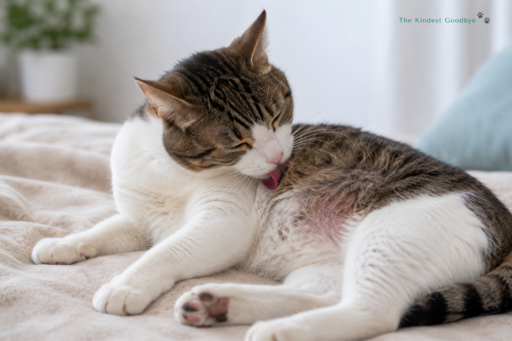
Cats, in particular, may stop grooming painful areas.
You might notice:
Dogs may also lick or chew painful joints or wounds.
Pain can sometimes affect breathing.
Look for:
Breathing difficulties should always be treated as urgent and assessed by a veterinarian to check if your pet is in pain.
Pain may make it difficult for pets to:
These changes may indicate arthritis, spinal problems, neurological disease, or other medical conditions.
Older pets often develop chronic conditions that progress slowly over time.
Common causes include:
Because these conditions often worsen gradually, families sometimes mistake the signs for “just getting old.”
However, ageing itself should not cause pain. Many conditions can be managed successfully when recognised early.
Cats are particularly skilled at hiding illness and discomfort.
Signs of pain in cats may include:
Even subtle behavioural changes deserve attention.
Pain does not only affect movement.
It can also reduce your pet’s:
Assessing your pet’s overall quality of life can help determine whether current treatments are providing enough comfort.
Arrange a veterinary appointment if your pet:
Early diagnosis often allows more treatment options and can significantly improve your pet’s comfort.
For some pets living with advanced illness, there may come a time when medication and treatment are no longer enough to provide comfort.
If your pet experiences ongoing pain despite treatment, has more difficult days than good ones, or no longer enjoys the activities they once loved, it may be time to have an honest conversation with your veterinarian about their quality of life.
Making this decision is never easy. It is one of the most compassionate choices a family can make when suffering can no longer be relieved.
Knowing whether your pet is in pain can be difficult, but recognising the signs early allows you to seek help before their comfort and wellbeing decline further.
Every pet deserves to live with dignity, comfort, and as little pain as possible. Whether your companion needs treatment, supportive care, or help at the end of life, you do not have to face these decisions alone.
If you are concerned about your pet’s comfort or quality of life, our compassionate vets at The Kindest Goodbye are here to provide guidance, support, and gentle care every step of the way.
Continue learning about recognising pain, supporting senior pets, and making informed decisions about your pet’s wellbeing.
Making the decision to say goodbye to a beloved pet is never easy. Alongside the emotional considerations, many families also find themselves comparing the cost…
@the.kindest.goodbye Why We Chose TikTok for Education, Comfort, and Yes… Cool Cat Videos Let’s be honest. TikTok is no longer just a place for trends,…

As devoted cat owners, we deeply value our feline companions and are committed to ensuring they have the best possible life. A key aspect of…
If you would like to learn more or need advice, we offer free phone consultations with our caring team or one of the vets in our network to discuss your pet's situation.
If you would like to organise a peaceful farewell for your beloved pet at home, you can make a booking request and we will get back to you ASAP to confirm availability.
Pricing information can be found here.

The Kindest Goodbye now offers clients one month of free grief counselling and support through Griefity when you book with us. We also partner with Trees for Pets to offer discounted memorial tree planting to honour your pet's memory