The Kindest Goodbye and Trees for Pets: A Beautiful New Memorial Tree Program for Pets in the UK
The Kindest Goodbye and Trees for Pets: A Beautiful New Memorial Tree Program for Pets in the UK. Families across the United Kingdom are searching…
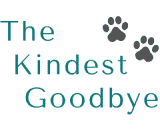
The pet industry in 2026 is undergoing a structural transformation. Growth is no longer driven primarily by accessories, novelty products, or convenience-based services. Instead, it is being shaped by science, longevity, emotional wellbeing, and technology designed to support earlier intervention and better quality of life.
In the United Kingdom, this shift is particularly pronounced. Pet ownership has increased significantly over the past decade, veterinary medicine continues to advance, and pet owners are more informed, health-conscious, and emotionally invested than ever before. The result is a pet industry that increasingly resembles modern human healthcare rather than traditional animal services.
Three major forces are defining pet industry trends in 2026: longevity, preventive wellbeing, and intelligent technology.
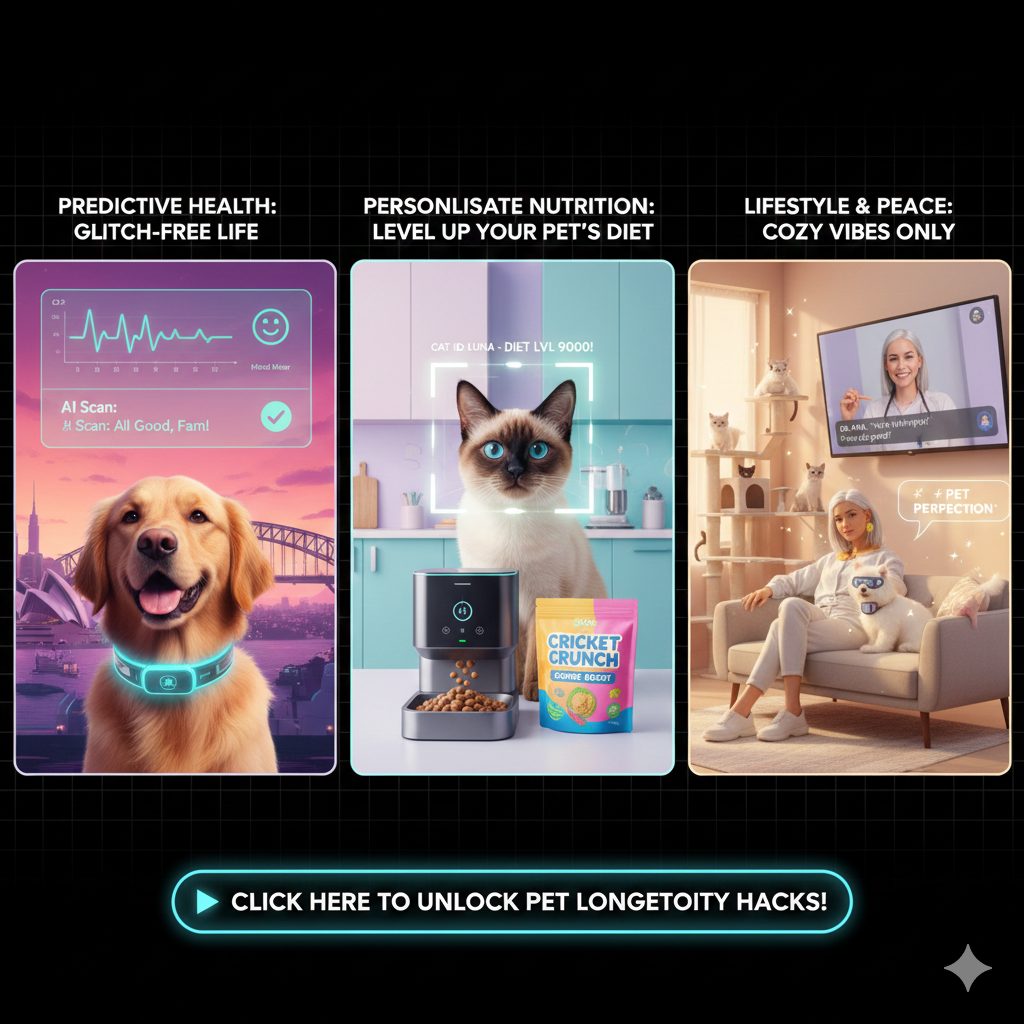
The UK pet industry is moving decisively toward a quality-of-life-first model. This transition is supported by clinical evidence, cultural change, and demographic realities.
British pets are living longer due to improvements in nutrition, vaccination protocols, parasite prevention, and access to veterinary care. However, increased lifespan has introduced new challenges. Chronic conditions such as osteoarthritis, obesity, cognitive decline, and anxiety are now among the most common issues seen in senior pets across the UK.
UK veterinary data and welfare reports consistently show that:
As a result, UK pet owners are shifting away from a singular focus on extending life expectancy. Instead, they are asking deeper questions about comfort, dignity, emotional wellbeing, and daily quality of life.
This has driven increased demand for:
Quality-of-life assessments are becoming a routine part of veterinary conversations in the UK, rather than something reserved only for end-of-life decision making.
One of the most significant pet industry trends in 2026 is the shift from lifespan to healthspan. Longevity alone is no longer considered a sufficient goal. The focus is now on how well pets live throughout their extended years.
Scientific research increasingly demonstrates that chronic low-grade pain, ongoing stress, and reduced mobility have a profound impact on a pet’s emotional state long before overt clinical decline is visible. Due to survival instincts, pets often mask discomfort, adapting quietly rather than signalling distress.
Key longevity trends shaping the UK pet industry include:
Pain is now widely understood as behavioural before it becomes physical. Subtle changes in engagement, posture, sleep patterns, grooming habits, and social interaction often precede obvious lameness or vocalisation. UK veterinary professionals are increasingly incorporating behavioural screening tools to identify discomfort earlier.
Joint supplementation, physiotherapy, hydrotherapy, environmental modification, and tailored exercise programs are becoming standard well before mobility is significantly impaired. Evidence shows that early intervention can slow the progression of arthritis and markedly improve daily comfort and independence.
Canine cognitive dysfunction is now recognised as a common yet underdiagnosed condition in the UK. Research indicates that mental stimulation, predictable routines, and low-stress environments can delay progression and improve quality of life for ageing pets.
Excess weight remains one of the strongest predictors of reduced healthspan. UK studies show that even modest weight reduction can lead to measurable improvements in mobility, pain scores, cardiovascular health, and energy levels within a relatively short timeframe.
Longevity in 2026 is no longer reactive. It is planned, personalised, and preventive.
Technology is no longer a peripheral feature of pet care. In 2026, it is becoming foundational to how wellbeing is monitored and managed.
The fastest-growing segment of the UK pet industry is intelligent monitoring and AI-supported care. These tools are not designed to replace veterinarians. Instead, they extend observation beyond the clinic and into the pet’s everyday environment.
Key technology trends include:
Smart collars and harnesses are increasingly used to track:
AI-driven systems analyse long-term data patterns, flagging deviations that may indicate pain, anxiety, or emerging illness before symptoms become obvious to owners.
Machine learning models are being applied to detect subtle behavioural changes associated with stress, cognitive decline, and discomfort. These systems do not provide diagnoses, but they prompt earlier veterinary assessment and intervention.
Virtual consultations are becoming a standard complement to in-person veterinary care across the UK, particularly for follow-up appointments, quality-of-life discussions, behavioural assessments, and palliative support. This approach reduces stress for pets and improves accessibility for families.
Aggregated pet health data is helping UK veterinary professionals identify population-level trends, refine screening protocols, and personalise care plans based on lifestyle, environment, and age rather than breed alone.
In 2026, technology is valued not for convenience, but for insight and early action.
Beneath longevity and technology lies a deeper cultural shift. In the UK, pets are increasingly recognised as emotionally complex companions whose wellbeing directly affects the mental health of their families.
This has led to:
The most trusted pet industry organisations in 2026 are those that combine clinical expertise with compassion. They support families proactively, not only at moments of crisis.
The Kindest Goodbye and Trees for Pets: A Beautiful New Memorial Tree Program for Pets in the UK. Families across the United Kingdom are searching…

When facing the heartbreaking decision of euthanising a terminally ill pet, many owners struggle with what comes next. One of the most important and emotional…
As devoted cat owners, we deeply value our feline companions and are committed to ensuring they have the best possible life. A key aspect of…
If you would like to learn more or need advice, we offer free phone consultations with our caring team or one of the vets in our network to discuss your pet's situation.
If you would like to organise a peaceful farewell for your beloved pet at home, you can make a booking request and we will get back to you ASAP to confirm availability.
Pricing information can be found here.

The Kindest Goodbye now offers clients one month of free grief counselling and support through Griefity when you book with us. We also partner with Trees for Pets to offer discounted memorial tree planting to honour your pet's memory