Pet Euthanasia: How Do You Know If Your Pet Is In Pain?
Pet owners often wonder when their pet is in pain and how they’ll know when it’s time to euthanise their pet. The answer is not…

Most of the ways pets improve our lives do not announce themselves.
They do not arrive with milestones, achievements, or dramatic moments. They slip quietly into our days, woven into routines so familiar that we stop recognising them as support. Over time, their presence becomes background. Essential, but unnoticed.
It is only when we pause that we realise how much of our daily emotional balance rests on small, ordinary interactions with an animal who never asked for credit.
For many people, the first living being they acknowledge each morning is a pet.
A cat waiting by the door.
A dog stretching at the foot of the bed.
A familiar weight settling beside us before the day begins.
These moments do not feel significant. Yet psychologically, they matter. Research on emotional regulation shows that predictable, positive interactions at the start of the day reduce stress responses and create a sense of safety before cognitive demands begin.
Pets offer this without intention. They do not motivate. They do not advise. They simply are.
And that quiet presence sets the tone more than we know.
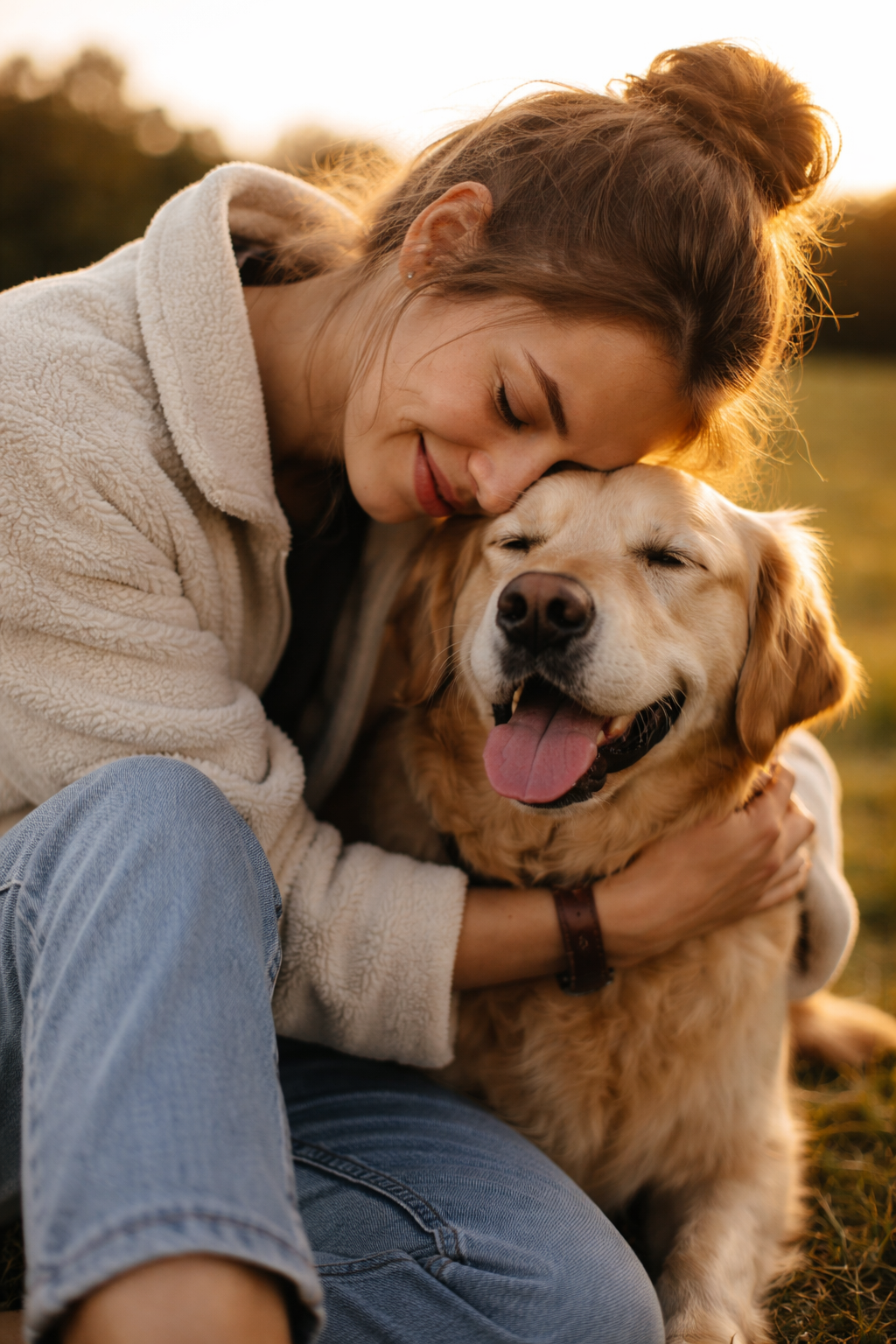
Routines are often framed as boring. In reality, they are stabilising.
Pets insist on rhythm. Feeding times. Walks. Bedtime rituals. These repeated moments act as anchors when the rest of life feels uncertain or overwhelming.
During periods of change, grief, stress, or transition, pets maintain continuity. The world may shift, but the bowl still needs filling. The lead still needs picking up. The familiar walk still happens.
This consistency supports emotional resilience in subtle ways. It keeps us connected to the present moment, even when our thoughts drift elsewhere.
Much of adult life is driven by performance. Productivity. Progress. Output.
Pets do not care about any of this.
They need care, but not success. Attention, but not excellence. Presence, not productivity.
Psychologically, this matters. Caring for a pet provides purpose that is not tied to achievement or comparison. It creates responsibility without evaluation.
On days when motivation feels low or confidence feels fragile, this kind of purpose is quietly protective.
Pets are often described as intuitive. What they truly offer is non-reactivity.
They sit with us when we are sad. They remain close when we are anxious. They do not interrupt or reframe our feelings. They do not ask us to explain.
In a culture that often rushes to solutions, this kind of companionship is rare.
Studies on human animal interaction show that physical proximity to pets can lower heart rate and cortisol levels. Not because pets solve our problems, but because they allow emotion to exist without judgement.
That alone is deeply regulating.
Without pets, many days would blur together.
Pets interrupt that blur.
A walk that forces us outside.
A pause to refill a bowl.
A moment spent watching them sleep.
These interruptions are not distractions. They are moments of presence. They pull attention away from screens, schedules, and mental noise.
Over time, these pauses accumulate. They soften days that might otherwise feel rushed or fragmented.
Human communication is complicated. It carries expectation, misunderstanding, and interpretation.
With pets, connection is simpler.
A glance.
A lean.
A shared silence.
Nonverbal connection has a powerful effect on emotional wellbeing. It bypasses analysis and speaks directly to the nervous system.
That is why time with pets often feels restorative rather than draining.
Pets respond to how we show up.
When we are gentle, they relax.
When we are present, they stay close.
When we slow down, they settle.
In this way, pets quietly reward the qualities we value most, patience, consistency, kindness, presence.
They remind us who we are when we are not rushing or performing.
Because it is ordinary.
Because it repeats daily.
Because it does not demand attention.
Because it does not label itself as care.
The most powerful forms of support often feel invisible while they are happening.
It is only in absence that they become clear.
Recognising these small contributions does not require grand gestures.
It begins with noticing.
Noticing how the day feels calmer with them nearby.
Noticing how routine feels steadier.
Noticing how presence feels easier.
Pets do not improve our lives in dramatic ways.
They improve them gently. Repeatedly. Without asking to be noticed.
And perhaps that is what makes their impact so profound.
If you want, I can:
Just tell me where you want it to live.

Pet owners often wonder when their pet is in pain and how they’ll know when it’s time to euthanise their pet. The answer is not…

Making the decision to say goodbye to a beloved pet is never easy. Alongside the emotional considerations, many families also find themselves comparing the cost…
Pet Industry Discount UK: £30 Off for Everyone Who Works With Animals The pet industry discount UK initiative offering £30 off for anyone who works…
If you would like to learn more or need advice, we offer free phone consultations with our caring team or one of the vets in our network to discuss your pet's situation.
If you would like to organise a peaceful farewell for your beloved pet at home, you can make a booking request and we will get back to you ASAP to confirm availability.
Pricing information can be found here.

The Kindest Goodbye now offers clients one month of free grief counselling and support through Griefity when you book with us. We also partner with Trees for Pets to offer discounted memorial tree planting to honour your pet's memory