The Untold Crisis: Why Australian Vets Are Struggling and How We Can Support Them
September 15, 2025
A Shocking Truth Hiding in Plain Sight
When most Australians think of veterinarians, we picture compassionate professionals who dedicate their lives to caring for the animals we love. We trust them during our pets’ first check-ups, life-saving surgeries, and heartbreaking goodbyes. Yet behind the consultation room door lies a silent crisis that few outside the industry truly understand.
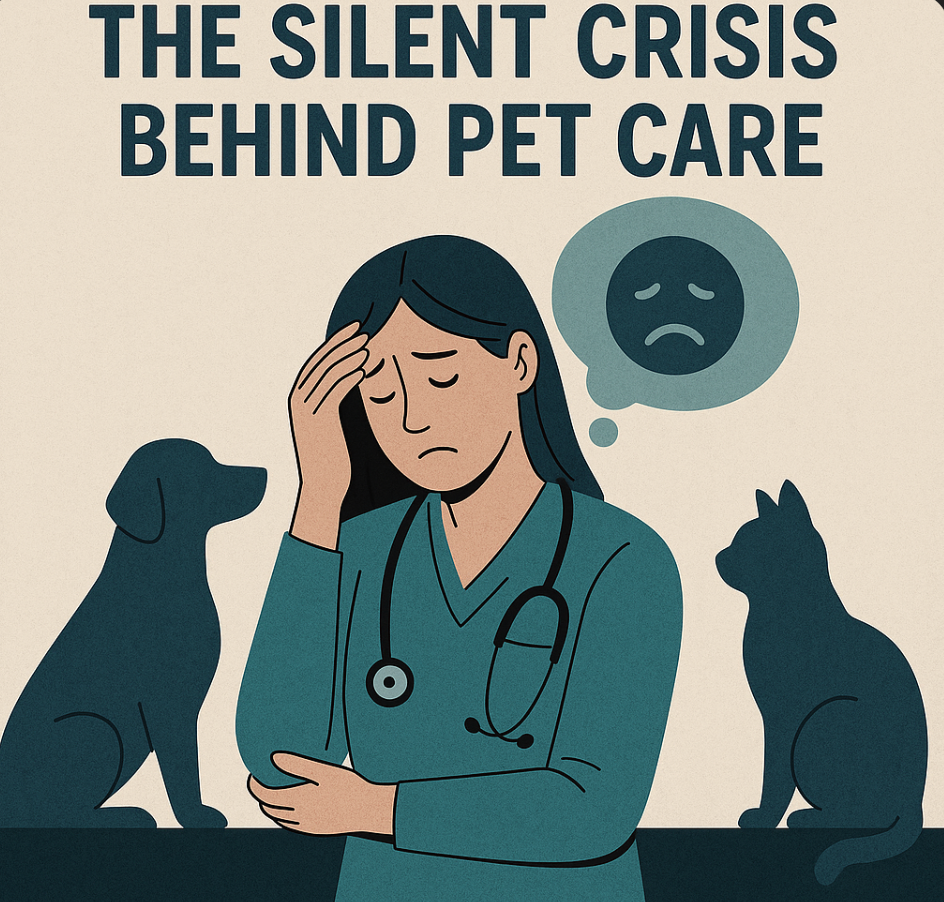
Veterinarians are up to four times more likely to die by suicide than the general population. For an industry built on compassion, healing, and dedication, this reality is both devastating and urgent.
At the Vet Expo in Melbourne this year, I had the chance to listen, learn, and engage with leaders in the veterinary field. As someone who does not come from this industry, it was gold. I saw patterns and pain points that insiders often take for granted. And one thing was clear: if we want to support pets, we must also support the people who dedicate their lives to them.
Why Veterinarians Are at Risk
The question many Australians ask is: why vets? Why would a career that looks so fulfilling on the surface hide such devastating risks underneath?
The answer lies in a combination of factors:
Constant Exposure to Death Unlike doctors who often work to extend human lives for decades, vets frequently face end-of-life decisions. The emotional whiplash of helping a puppy take its first steps one hour and euthanising an elderly dog the next is draining.
Financial Pressures Many vets carry heavy student debt. Their earnings often do not match the years of training or the public perception of their wealth. Owners sometimes accuse them of “profiting from suffering” when explaining fees, adding to emotional strain.
Isolation Especially in rural and regional areas of Australia, vets can work long hours without much support. The isolation intensifies stress and reduces access to mental health resources.
High Empathy Levels Many vets enter the profession because of their deep compassion. Yet this empathy, while beautiful, makes them more vulnerable to burnout and compassion fatigue.
Stigma Around Mental Health As in many healthcare fields, there is a culture of resilience and “just coping.” Speaking openly about struggles is still taboo in some practices.
One roundtable at the expo focused entirely on suicide prevention and collaboration. Another explored resilience strategies for vet professionals. Experts like Vanessa Ilse Rohlf (specialist in resilience) and Pauline Willis (leadership for burnout) highlighted the need for systemic change.
These conversations were not about abstract statistics. They were about real people, many of whom are silently struggling.
Mental health in the vet industry
Meeting Sophie’s Legacy
One of the most powerful encounters I had at the expo was with the founder of Sophie’s Legacy, a charity dedicated to raising awareness of mental health challenges in the veterinary profession. The organisation was created in memory of Sophie, a young vet who tragically took her own life.
Hearing their mission first-hand made the statistics heartbreakingly real. It also underlined a critical truth: change requires compassion, conversation, and collaboration across the entire industry.
Sophie’s story has become a rallying cry across Australia, not only for vets but also for pet owners. It reminds us that behind every smiling face in a clinic lies a human being who may be carrying more than we realise.
A New Perspective: What I Noticed as an Outsider
Coming to the expo as someone outside the veterinary world gave me unique clarity. I noticed three opportunities that could transform awareness and engagement:
The human story is missing. Vets are often celebrated for their technical skills but rarely for their emotional strength. Articles that shine a light on their resilience, vulnerability, and humanity will resonate deeply with both pet owners and professionals.
Content gaps exist. Topics like suicide prevention, burnout, and grief support are rarely covered in mainstream pet media. Yet they are the issues vets talk about most urgently.
Connection is everything. By writing synergy articles on resilience, leadership, wellness, and education — and tagging voices like Vanessa Ilse Rohlf, Pauline Willis, Adele Feakes, and Bridget Naughton — we can spark conversations that travel through their networks and amplify our visibility.
What Needs to Change
The crisis facing vets cannot be solved overnight, but awareness is the first step. Based on the panels, roundtables, and discussions I attended, here are some key areas for change:
Normalising conversations about mental health within clinics and vet schools.
Encouraging leadership training that addresses burnout prevention and emotional intelligence.
Offering resources for resilience and wellness, such as peer support, counselling, or flexible scheduling.
Educating the public about the realities of veterinary work, including financial pressures and emotional labour.
Promoting holistic approaches to health and wellbeing for both pets and professionals.
Why This Matters for Pet Owners
Most Australians have no idea about the pressures vets face. We bring in our pets with love and trust, but often forget the toll these consultations can take on the people caring for them.
Imagine walking into your local clinic knowing that your vet is not just treating your animal, but also carrying the weight of countless difficult decisions and emotional goodbyes. How might that change the way we interact with them?
A simple thank you, patience during stressful times, or understanding when fees are explained can make a profound difference.
How The Kindest Goodbye Can Lead
At The Kindest Goodbye, our mission is built on compassion. We walk with families through one of the most emotional moments of their lives. That same compassion should extend to the professionals we work alongside.
By creating thoughtful, awareness-driven content around mental health in the veterinary industry, we can:
Position ourselves as advocates for vets as well as pet owners.
Build credibility with professionals who may one day work with us.
Engage pet owners with stories that matter beyond clinical care.
Amplify voices in the industry by tagging experts and organisations on LinkedIn and other platforms.
This piece you are reading is more than an article. It is a call to action. It is a reminder that behind every wagging tail and purring cat is a vet carrying a story we often do not see.
If we truly care about animals, we must also care about the people who dedicate their lives to them.
To every reader: share this article. Start conversations. Ask your vet how they are doing, not just how your pet is doing. And if you are part of the veterinary community, know that your wellbeing matters as much as the lives you touch.
10 Compassionate Reasons Australian Pet Owners Choose Euthanasia: A Guide to Recognising Change. When you notice worrying changes in your pet’s behaviour, it can be…
In-home pet euthanasia is a compassionate choice that prioritises your pet’s comfort and peace during their final moments. Saying goodbye to a beloved pet is…
Can we help?
If you would like to learn more about our service or need advice, we offer free phone consultations with one of our caring vets to discuss your pet's situation.
If you would like to organise a peaceful farewell for your beloved pet at home, you can use our instant booking system or make a booking request and we will get back to you ASAP with availability.