Do Cats Sense When They’re Being Put to Sleep?
Cats are very sensitive animals. Saying goodbye to a beloved cat is one of the most emotional and difficult experiences a pet owner can face….


Paralysis ticks are a serious concern for pets in Australia, particularly in coastal and bushland areas. Knowing how to identify the signs early and take preventative steps can make a life saving difference for your pet.
Unlike other ticks, paralysis ticks release a toxin that affects your pet’s nervous system.
This toxin can gradually lead to weakness, difficulty breathing, and in severe cases, can become life threatening if not treated quickly.
The risk is higher during warmer months, but in some regions, ticks can be present all year round.
A paralysis tick is a small parasite that attaches to your pet’s skin and feeds on blood. As it feeds, it releases a toxin that can cause paralysis.
These ticks are commonly found in long grass, bushland, and coastal areas across Australia.
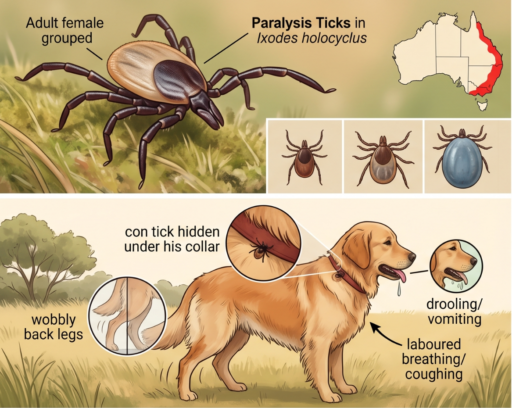
Symptoms of paralysis tick poisoning can develop quickly, often within a few days of attachment.
Watch closely for:
If you notice any of these signs, seek veterinary care immediately.
If you find a tick on your pet, act quickly but calmly.
Even after removal, monitor your pet closely, as symptoms can still develop.
If you are unsure, contact your vet straight away.
Prevention is the most effective way to protect your pet.
Simple steps include:
Daily checks during tick season are essential in Australia.
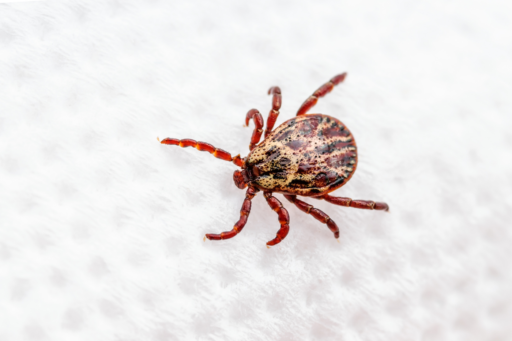
Do not wait if you notice symptoms. Paralysis tick poisoning can progress quickly.
Contact your vet immediately if:
Early treatment greatly improves recovery outcomes.
Not every tick will cause paralysis, but in Australia, the risk is significant enough to take seriously.
Being aware, checking regularly, and acting early can help keep your pet safe and comfortable.
At The Kindest Goodbye, we support pet families through every stage of their journey.
Because caring for them means protecting their comfort, their health, and their quality of life every step of the way. 💛
If you found this guide helpful, here are additional resources to support you and your pet:
• How to Cope with the Loss of a Dog After Euthanasia
👉 https://thekindestgoodbye.com.au/how-to-cope-with-the-loss-of-a-dog
• What to Expect from In Home Pet Euthanasia
👉 https://thekindestgoodbye.com.au/what-to-expect-in-home-euthanasia
• Helping Children Understand Pet Loss
👉 https://thekindestgoodbye.com.au/helping-children-cope-with-pet-loss
• RSPCA Australia – Pet care and parasite prevention
👉 https://www.rspca.org.au
• Australian Veterinary Association – Pet health advice
👉 https://www.ava.com.au
• NSW Health – Tick bite prevention and safety
👉 https://www.health.nsw.gov.au


Cats are very sensitive animals. Saying goodbye to a beloved cat is one of the most emotional and difficult experiences a pet owner can face….
5 Things I Wish You Knew Before Euthanising Your Dog is not a guide about making the decision faster, easier, or cleaner. It is a…
10 Compassionate Reasons Australian Pet Owners Choose Euthanasia: A Guide to Recognising Change. When you notice worrying changes in your pet’s behaviour, it can be…
If you would like to learn more about our service or need advice, we offer free phone consultations with one of our caring vets to discuss your pet's situation.
If you would like to organise a peaceful farewell for your beloved pet at home, you can use our instant booking system or make a booking request and we will get back to you ASAP with availability.
Pricing for our services can be found here.

The Kindest Goodbye now provides one month of free grief counselling and support through Griefity when you book with us. We are also proud to partner with Trees for Pets to provide discounted memorial tree planting in honour of your pet