Helping Children Cope with Pet Loss: A Compassionate Guide for Families in Australia
For many families, a pet is a child’s first best friend. When that beloved companion becomes ill or reaches the end of their life, parents…


Losing a dog after euthanasia is one of the most heartbreaking experiences a pet owner can face. Even when the decision was made out of compassion and love, the days and weeks that follow can feel overwhelming. Grief may bring unexpected emotions, from deep sadness to guilt, relief, or even confusion.
You may find yourself questioning everything, feeling waves of grief, or experiencing unexpected emotions like guilt or even relief.
If you’re wondering how to cope with the loss of a dog, you’re not alone and what you’re feeling is more common than you might think.
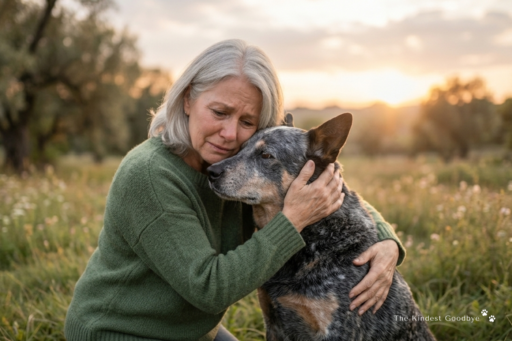
The loss of a dog after euthanasia can bring an overwhelming mix of sadness, guilt, relief, anger, and longing. These emotions often arrive all at once and may shift from day to day. Grief after pet loss is real and valid because the bond between humans and dogs is built on daily companionship, loyalty, and unconditional love.
It is important to give yourself permission to grieve without comparing your loss to others. Statements like “it was just a dog” can feel dismissive and may intensify emotional pain. A dog is often a family member, confidant, and constant presence, and the absence can feel profound.
Allow yourself to:
Grief does not follow a straight path, and there is no correct timeline for healing.
Many pet owners struggle with decision-related guilt after euthanasia. You may question whether you acted too soon, waited too long, or missed alternative treatments. These thoughts are common and often stem from the deep responsibility you felt toward your dog’s wellbeing.
Remind yourself that euthanasia is chosen to prevent further suffering. In most cases, the decision is made after careful thought, veterinary guidance, and a sincere desire to protect your dog from pain. Choosing a peaceful passing is an act of compassion, not betrayal.
Helpful reflections may include:
Reframing euthanasia as a final act of love can gradually ease feelings of regret.
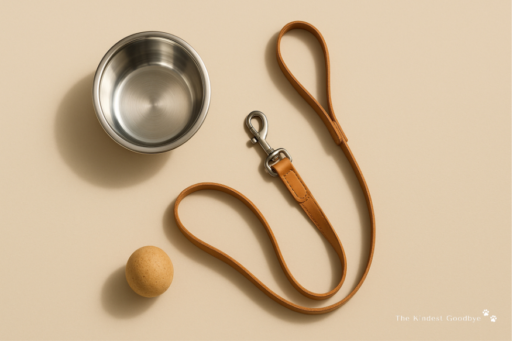
After euthanasia, the home environment can feel painfully quiet. The absence of routine feeding times, walks, the sound of paws on the floor can intensify grief. This disruption can create a sense of disorientation and emotional emptiness.
To navigate this transition, consider:
Some families find comfort in maintaining certain habits, such as taking a short walk at the usual time, while others prefer to pause those routines temporarily.
Other animals in the home may also react to the loss. Changes in behavior such as decreased appetite, restlessness, or searching behaviors are not uncommon. Maintaining structure can help provide stability during this period.
You can support remaining pets by:
If behavioral changes persist, consulting a veterinarian may provide additional guidance.
Honoring your dog’s life can be a powerful part of the healing process. Memorializing does not prolong grief it allows love to be expressed in a tangible way.
Options may include:
These rituals acknowledge the significance of your dog’s life and create space for reflection.
Grief can affect sleep, appetite, concentration, and motivation. You may experience emotional fatigue, difficulty focusing, or sudden waves of sadness. Gentle self-care practices can help regulate your nervous system during this time.
Supportive habits include:
If sadness becomes persistent or overwhelming, professional support from a counselor experienced in pet loss may be beneficial.
You do not have to navigate grief alone. Many communities offer pet loss support groups, online forums, and grief hotlines specifically for those mourning animals. Speaking with others who understand the depth of this bond can reduce feelings of isolation.
Support options may include:
Seeking help is a sign of strength, not weakness. The Kindest Goodbye offers 1 month free Griefity support and the sign-up link is included in your booking form.
The question of adopting another dog often arises during grief. There is no universal timeline for this decision. Some families find comfort in welcoming a new companion sooner, while others need extended time to process their loss.
It can help to ask:
A new dog will never replace the one you lost, but it may eventually offer a new and different bond when the time feels right.
While grief is natural, prolonged or severe symptoms may require professional care. Signs that additional help may be needed include:
If these symptoms occur, reaching out to a medical professional or licensed therapist can provide structured support and coping strategies tailored to yourGrieving the loss of a dog after euthanasia is not a sign of weakness it is a reflection of the deep bond and unconditional love you shared. Healing does not mean forgetting; it means learning to carry the memories, routines, and companionship in a new way.
Grieving the loss of a dog after euthanasia is not a sign of weakness it is a reflection of deep love, loyalty, and connection.
Healing does not mean forgetting. It means learning to carry those memories forward in a different way.
If you are navigating pet loss right now, be gentle with yourself. Support is available, and you don’t have to go through this alone.
Your dog’s life mattered and the love you shared will always remain part of you.
If you’re navigating difficult decisions or supporting your family through pet loss, these guides may help:

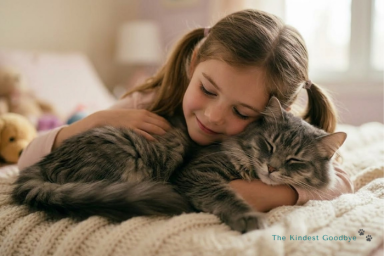
For many families, a pet is a child’s first best friend. When that beloved companion becomes ill or reaches the end of their life, parents…

End-of-life care for dogs at home is one of the most compassionate decisions a pet owner can make. Knowing how to provide this care ensures…
A Shocking Truth Hiding in Plain Sight When most Australians think of veterinarians, we picture compassionate professionals who dedicate their lives to caring for the…
If you would like to learn more about our service or need advice, we offer free phone consultations with one of our caring vets to discuss your pet's situation.
If you would like to organise a peaceful farewell for your beloved pet at home, you can use our instant booking system or make a booking request and we will get back to you ASAP with availability.
Pricing for our services can be found here.

The Kindest Goodbye now provides one month of free grief counselling and support through Griefity when you book with us. We are also proud to partner with Trees for Pets to provide discounted memorial tree planting in honour of your pet