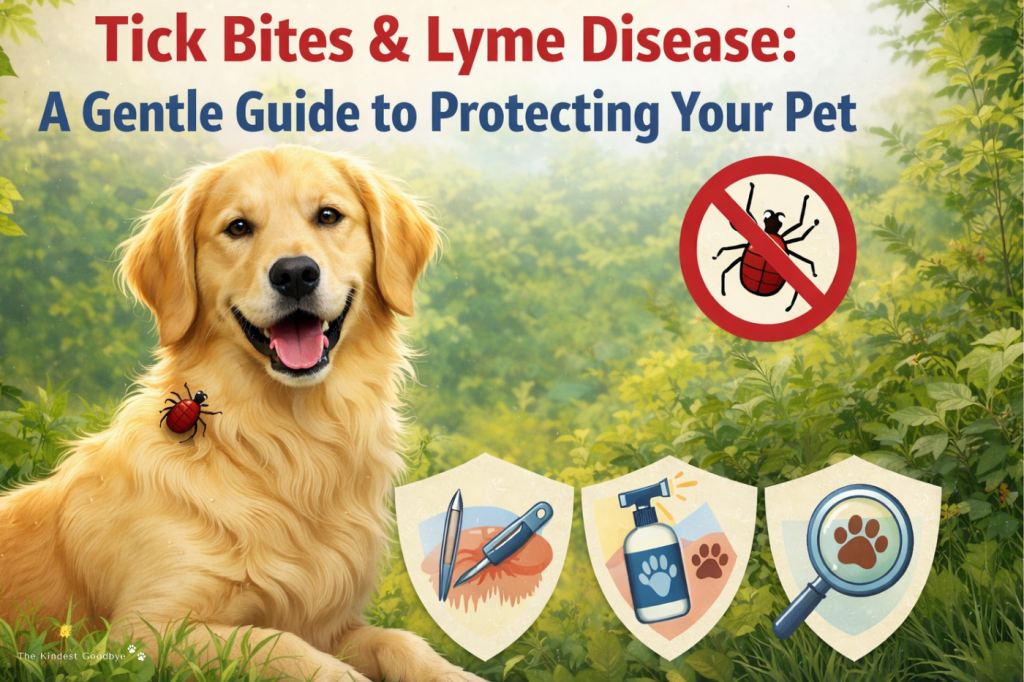
Why Tick Bites Deserve Attention
A simple walk in the park, a play in the garden
these everyday moments can sometimes expose our pets to ticks.
While many tick bites are harmless, some can carry Lyme disease, a condition that can affect your pet’s joints, comfort, and overall quality of life if left untreated.
The good news? With awareness and early action, you can protect your pet.
???? What Is Lyme Disease?
Lyme disease is a bacterial infection transmitted through the bite of infected ticks.
Not every tick carries it but when it does, the effects can develop gradually and may not be immediately obvious.
That’s why knowing what to look for matters.
⚠️ Signs to Watch For
Symptoms can appear days or even weeks after a tick bite.
Keep an eye out for:
- Limping or shifting lameness
- Swollen or painful joints
- Fever
- Loss of appetite
- Lethargy or unusual tiredness
- Sensitivity to touch
You know your pet best if something feels different, trust that instinct.
???? What to Do If You Find a Tick
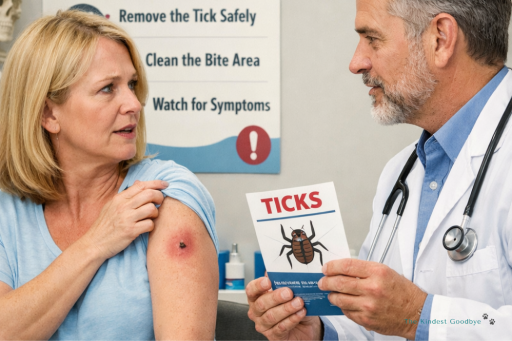
Finding a tick can feel alarming—but staying calm helps.
- Remove the tick carefully using tweezers or a tick remover
- Avoid squeezing the body of the tick
- Clean the area with antiseptic
- Monitor your pet for any changes over the following days
If you’re unsure or uncomfortable, your vet can safely remove it for you.
????️ How to Prevent Tick Bites
Prevention is one of the kindest ways we can care for our pets.
Here are simple ways to reduce risk:
- Check your pet after walks (ears, neck, paws, underbelly)
- Avoid long grass, bushland, and tick-prone areas
- Use vet-approved tick prevention treatments regularly
- Keep your yard clean and grass trimmed
- Wash pet bedding frequently
A quick check each day can make a big difference.
???? A Note for Pet Owners
Not every tick bite leads to Lyme disease.
And not every symptom means something serious.
But staying informed means you can act early and give your pet the comfort and care they deserve.
???? When to Seek Veterinary Support
Reach out to your vet if:
- You’re unable to remove a tick
- Your pet shows any unusual symptoms
- You notice changes in movement, appetite, or behaviour
Early care can prevent complications and help your pet recover more comfortably.
???? From Our Hearts at The Kindest Goodbye
At The Kindest Goodbye, we walk alongside pet families through every stage of their journey not just the final goodbye.
Because caring for them…
means protecting their comfort, their health, and their quality of life every step of the way.
???? Need Guidance?
If you’re unsure about your pet’s symptoms or simply need reassurance, don’t hesitate to seek professional advice.
???? Your pet’s wellbeing is always worth that extra care.