We Are Hiring: Compassionate Vets, High Flexibility & High Remuneration
We Are Hiring: Compassionate Vets, High Flexibility & High Remuneration – offering a unique opportunity to provide meaningful care while enjoying true work-life balance.If you…

How Breed, Size, and Genetics Influence Pet Quality of Life UK
Pet Quality of Life UK is not experienced the same way across all animals. Breed, size, and genetic predisposition significantly affect how pets age and what kind of support they require.
Large breed dogs in the UK tend to experience joint degeneration earlier than smaller breeds. Conditions such as osteoarthritis, hip dysplasia, and spinal changes often appear years before obvious mobility loss. In contrast, smaller breeds may maintain physical mobility longer but face higher risks of dental disease, heart murmurs, or tracheal collapse.
Cats, particularly pedigree breeds, may be genetically predisposed to kidney disease, cardiac conditions, or dental resorption. These conditions directly affect Pet Quality of Life UK by influencing comfort, appetite, and energy levels.
Understanding breed related risks allows pet owners to implement preventive strategies earlier. Early intervention has been shown to significantly improve quality of life outcomes and reduce the severity of age related decline.
One of the most challenging aspects of Pet Quality of Life UK is recognising pain early, precisely because pets experience and express discomfort very differently from humans. Unlike people, animals do not vocalise pain in obvious ways, and they rarely show visible distress until discomfort becomes severe. This does not mean they are coping well. It means they are following deeply ingrained survival instincts that prioritise concealment over expression.
In the wild, showing weakness can increase vulnerability. This biological wiring remains present in domestic pets, even those living safe and loving lives. As a result, pain is often hidden behind subtle behavioural changes rather than clear signs of suffering. A pet may continue eating, walking, and interacting, while quietly enduring chronic discomfort that affects mobility, sleep, mood, and emotional wellbeing. What appears to be resilience is often a carefully masked response shaped by evolution, not an absence of pain.
For pet owners and professionals alike, this makes pain recognition one of the most critical and complex elements of Pet Quality of Life UK. It requires slowing down, observing closely, and learning to recognise the small shifts that signal discomfort. Hesitation before movement, changes in posture, altered sleep patterns, or reduced enthusiasm for familiar activities often speak louder than overt signs. Understanding that pets hide pain not because they are strong, but because they are programmed to survive, allows us to respond with greater awareness, empathy, and timely support.
Veterinary pain research in the UK shows that pets often continue normal behaviours until pain becomes severe. By the time limping or vocalisation appears, discomfort is often advanced.
Commonly overlooked pain indicators include:
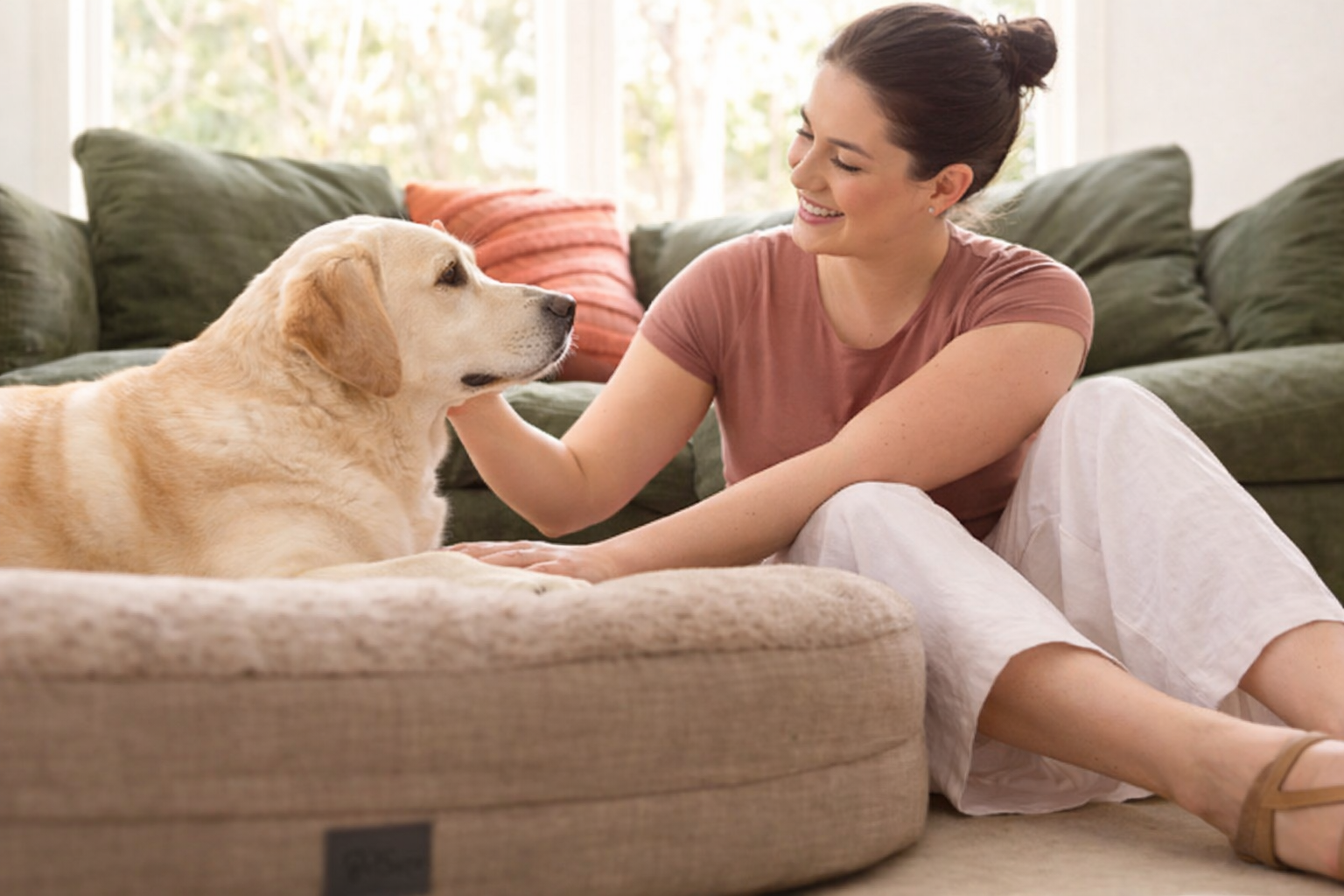
Pain does not only affect physical comfort. It influences mood, appetite, sleep, and social behaviour. Chronic low grade pain can quietly erode Pet Quality of Life UK over months or years.
Cognitive decline is a significant but under discussed aspect of Pet Quality of Life UK.
In dogs, this may present as canine cognitive dysfunction. In cats, similar changes are increasingly recognised. Symptoms often include:
UK veterinary behavioural studies indicate that cognitive decline is often mistaken for normal ageing. In reality, supportive care and environmental adjustments can dramatically improve emotional wellbeing.
Maintaining routine, providing gentle mental stimulation, and minimising environmental changes can slow cognitive decline and preserve quality of life.
Nutrition is one of the most powerful and underestimated tools for improving Pet Quality of Life UK.
As pets age, their nutritional requirements change. Metabolism slows. Organ function shifts. Digestive efficiency decreases. What worked at five years old may no longer be appropriate at ten.
UK veterinary nutrition research supports:
Poor nutrition accelerates fatigue, muscle loss, and immune decline. Appropriate nutritional planning supports mobility, energy, and comfort.
Sleep is a powerful but often ignored marker of Pet Quality of Life UK.
Healthy sleep allows physical recovery, emotional regulation, and cognitive processing. Disturbed sleep may indicate pain, anxiety, or discomfort.
Signs of reduced sleep quality include:
Improving sleep often requires addressing environmental comfort, pain control, and routine consistency.
Pet Quality of Life UK is not about constant activity. Especially for senior pets, overstimulation can be just as harmful as boredom.
Effective enrichment includes:
The goal is engagement without exhaustion.
Preventive education plays a central role in improving Pet Quality of Life UK.
Pet owners who receive ongoing, evidence informed guidance are more likely to recognise early changes and seek support before decline accelerates.
Preventive content helps families understand:
Education empowers better decisions and reduces emotional distress later.
Pet Quality of Life UK is not only about animals. It also affects families.
When pets are comfortable and supported, families experience:
Conversely, unmanaged decline often leads to regret and emotional distress.
Supporting quality of life supports human wellbeing too.
Many UK pet owners delay quality of life discussions because they associate them with end of life decisions. This delay limits options.
Early conversations allow:
Pet Quality of Life UK is most effective when integrated early, not introduced at crisis point.
UK veterinary practice is increasingly guided by welfare science rather than purely clinical outcomes.
Professional guidelines now emphasise:
Pet Quality of Life UK reflects this cultural and professional shift.
As veterinary care continues to evolve, Pet Quality of Life UK will remain central to how care is delivered.
Future developments include:
Quality of life will become the primary measure of success.
Pet Quality of Life UK is not about giving less care. It is about giving better care, guided by intention, understanding, and respect for how animals actually experience their lives. As veterinary science continues to advance, the question is no longer whether we can treat or manage conditions, but whether those interventions genuinely improve day to day wellbeing for the pet.
This approach asks us to slow down and look more closely at the small changes that often go unnoticed. It encourages pet owners and professionals alike to observe posture, movement, behaviour, sleep, appetite, and emotional responses with curiosity rather than urgency. These subtle signals often tell us far more about quality of life than clinical results alone. Responding thoughtfully means adjusting care early, adapting environments, and making informed decisions that reduce stress rather than reacting only when decline becomes obvious.
Pet Quality of Life UK also encourages compassion that is rooted in evidence and responsibility guided by respect. Evidence shows that comfort, familiarity, and emotional security play a critical role in wellbeing, particularly for senior pets and those living with chronic conditions. Respect means acknowledging that each pet is an individual, with unique needs, limits, and rhythms. It means recognising when support enhances life and when intervention may no longer serve the animal’s best interests.
When we prioritise comfort, mobility, emotional wellbeing, and preventive support, we honour the lives of animals who trust us completely. We support them not only through medical care, but through thoughtful adjustments that allow them to move more easily, rest more peacefully, and feel safe in familiar surroundings. Preventive care and early education help families stay connected to their pet’s changing needs, allowing decisions to be made with clarity rather than pressure.
This approach is not about extending life at all costs. It is about ensuring that the life being lived remains meaningful, calm, and dignified. Quality of life is measured in moments of ease, connection, and peace. By choosing to prioritise these moments, Pet Quality of Life UK becomes a framework for kinder, more ethical care, one that places the animal’s lived experience at the centre of every decision.
To continue exploring how quality of life and compassionate care are supported in the UK, you may find these articles helpful:
We Are Hiring: Compassionate Vets, High Flexibility & High Remuneration – offering a unique opportunity to provide meaningful care while enjoying true work-life balance.If you…
When Dogs “Adopt” Humans Why These Videos Go Viral, What Gen Z Sees in Them, and How AI Amplifies a Very Human Need It usually…
Noticing worrying changes in your pet’s behaviour is one of the most challenging experiences any pet owner can face. Across the UK, countless families face…
If you would like to learn more or need advice, we offer free phone consultations with our caring team or one of the vets in our network to discuss your pet's situation.
If you would like to organise a peaceful farewell for your beloved pet at home, you can make a booking request and we will get back to you ASAP to confirm availability.
Pricing information can be found here.

The Kindest Goodbye now offers clients one month of free grief counselling and support through Griefity when you book with us. We also partner with Trees for Pets to offer discounted memorial tree planting to honour your pet's memory