Creating a Peaceful Goodbye: Preparing for At-Home Pet Euthanasia
Saying goodbye to a beloved pet is one of the most heart-wrenching experiences a family can face. At-home pet euthanasia offers a compassionate alternative, allowing…

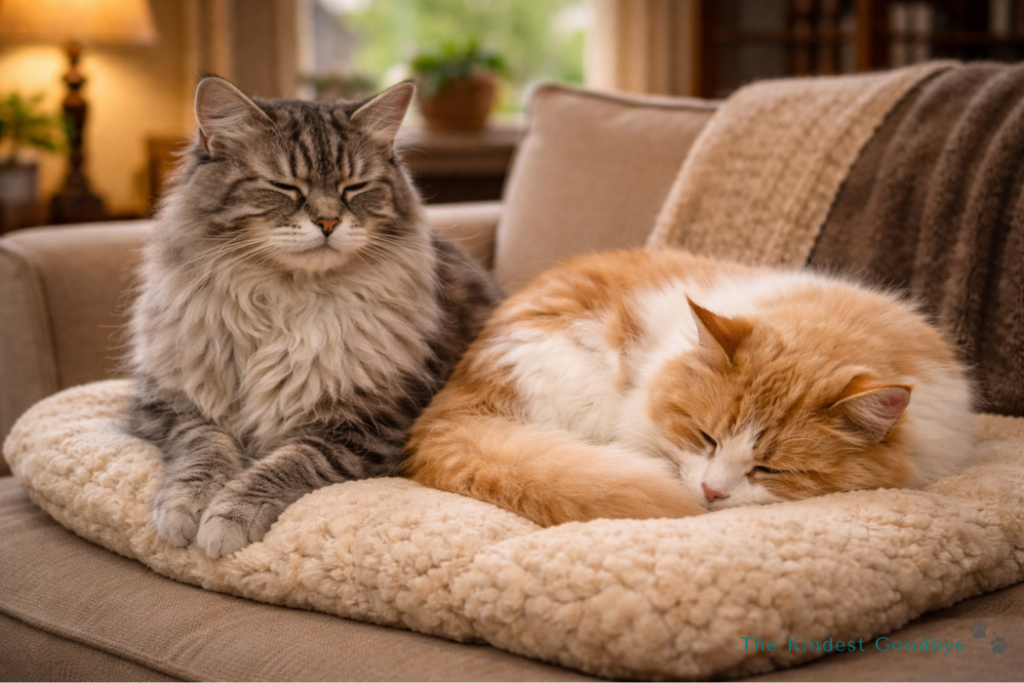
As cats age, their behaviour, memory, and awareness can change in ways that may feel confusing or concerning. Feline cognitive decline, sometimes called cat dementia, affects many senior cats and can impact their ability to navigate familiar spaces, interact with family members, and maintain normal routines.
Understanding the early signs, causes, and supportive strategies for cognitive dysfunction in senior cats can help pet owners provide comfort, maintain quality of life, and ensure that their beloved companions remain happy, safe, and well-cared-for during their golden years.
As cats age, it’s common for their behaviour, memory, and awareness to change. Feline cognitive dysfunction (FCD), sometimes referred to as “cat dementia,” affects the brain in ways similar to Alzheimer’s in humans. Recognising the signs early allows pet owners to provide support, comfort, and interventions that can improve daily quality of life.
Cognitive decline is typically gradual, and many families notice subtle changes before major symptoms appear. Understanding these changes helps you differentiate normal aging from a medical issue that requires veterinary attention.
Cognitive dysfunction often manifests in ways that may be confused with other health issues. Common early signs include:
These behaviours are often subtle at first, but they can increase in frequency and intensity as the condition progresses.
While the exact cause of feline cognitive decline is not fully understood, several factors contribute:
Awareness of these risk factors can help pet owners monitor for early signs and seek timely veterinary evaluation.
Diagnosis begins with a veterinary assessment. Because many symptoms mimic other conditions, your veterinarian may:
Accurate diagnosis for feline cognitive decline is critical to ensure that changes in behaviour are not caused by treatable medical conditions.
Cats with cognitive decline may display a range of behavioural changes:
Management strategies include:
Creating a predictable, low-stress environment can significantly improve a cat’s comfort.
Environmental modifications help senior cats navigate daily life safely:
Even small changes can reduce anxiety and frustration for cats with cognitive decline.
Nutrition can play a role in supporting cognitive health:
Maintaining optimal nutrition helps slow progression and enhances overall wellbeing.
Regular check-ins with your veterinarian are important for:
Keeping a daily behaviour log can help identify patterns and inform care decisions.
Even with cognitive decline, cats can continue to enjoy daily life. Activities and care that provide comfort, stimulation, and security help maintain independence and reduce stress. Positive interactions, routine, and a safe environment are key components in preserving quality of life for senior cats experiencing cognitive challenges.
While cognitive decline is a natural part of aging, it doesn’t mean your cat cannot continue to live a comfortable and fulfilling life. Through consistent routines, environmental modifications, nutritional support, and veterinary guidance, families can help senior cats navigate these changes with dignity and ease. Monitoring behaviour closely and seeking professional advice ensures that your cat’s daily comfort and wellbeing remain a priority.
Cognitive decline can be one of the more challenging aspects of caring for a senior cat. Understanding age-related changes, monitoring quality of life, and recognising when additional support is needed can help you provide comfort and reassurance throughout your cat’s later years.
• Hypertropic Cardiomyopathy in Cats
👉https://thekindestgoodbye.com/uk/blog/hypertrophic-cardiomyopathy-in-cats/
• Is At-Home Euthanasia Worth the Cost Compared to a Vet Clinic?
👉 https://thekindestgoodbye.com/uk/blog/is-at-home-euthanasia-worth-the-cost-compared-to-a-vet-clinic/
•Pet Quality of Life UK: The Science-Based Guide to Senior Pet Care, Comfort, and Wellbeing
👉 https://thekindestgoodbye.com/uk/blog/pet-quality-of-life-uk-the-science-based-guide-to-senior-pet-care-comfort-and-wellbeing/
• Cats Protection – Advice on senior cat care, health conditions, and wellbeing.
• PDSA – Information on ageing cats, veterinary care, and common health concerns.
• Blue Cross – Pet bereavement support and guidance for families caring for older pets.
• International Cat Care – Expert resources on feline health, behaviour, and cognitive decline.
Every cat ages differently, and cognitive changes do not diminish the love and bond you share. With patience, understanding, and appropriate support, many senior cats can continue to enjoy comfort, security, and meaningful companionship throughout their golden years. If you have concerns about changes in your cat’s behaviour, speaking with your veterinarian can help you make informed decisions about their care and wellbeing. 💛🐾

Saying goodbye to a beloved pet is one of the most heart-wrenching experiences a family can face. At-home pet euthanasia offers a compassionate alternative, allowing…
Hypertrophic Cardiomyopathy (HCM) is the most common heart disease in cats, characterised by thickening of the heart muscle, which can reduce the heart’s ability to…
We Are Hiring: Compassionate Vets, High Flexibility & High Remuneration – offering a unique opportunity to provide meaningful care while enjoying true work-life balance.If you…
If you would like to learn more or need advice, we offer free phone consultations with our caring team or one of the vets in our network to discuss your pet's situation.
If you would like to organise a peaceful farewell for your beloved pet at home, you can make a booking request and we will get back to you ASAP to confirm availability.
Pricing information can be found here.

The Kindest Goodbye now offers clients one month of free grief counselling and support through Griefity when you book with us. We also partner with Trees for Pets to offer discounted memorial tree planting to honour your pet's memory