How to Choose the Right Pet Cremation Services: Factors to Consider
Pet cremation services are an important decision for any grieving pet owner. Losing a beloved pet is an incredibly emotional experience, and choosing how to…


Pet euthanasia is a humane veterinary procedure designed to gently end suffering when a pet’s quality of life has significantly declined. For many families, the decision is rooted in compassion, love, and the desire to prevent further pain rather than prolonging discomfort.
Common reasons families consider euthanasia include:
This guide to pet euthanasia helps to give more understanding of the choices that we have for our pets on peaceful and dignified passing.
One of the hardest parts of the journey is determining when the time is right. While every pet’s situation is unique, veterinarians often evaluate quality of life indicators, including:
A simple way to reflect is to ask whether your pet is still experiencing comfort, enjoyment, and dignity in daily life. When suffering outweighs comfort, euthanasia may be the kindest option.
Consulting with a veterinarian ensures the decision is made with professional guidance and emotional support.
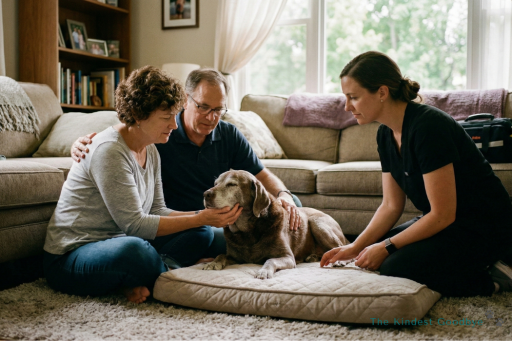
Families may choose between a veterinary clinic setting and in-home pet euthanasia. Each option has its considerations, but many families prefer home visits because they provide:
At-home euthanasia focuses on creating a peaceful, intimate experience, allowing pets to remain surrounded by comfort and love.
Understanding the procedure can reduce anxiety and uncertainty. While protocols may vary slightly, euthanasia typically follows a gentle two-step approach:
A veterinarian first administers a sedative injection, allowing your pet to fall into a deep and relaxed sleep. This ensures they feel no fear, pain, or distress.
Once your pet is fully sedated, a second medication is given to gently and painlessly stop the heart. The passing is typically calm, quick, and peaceful.
Families are often encouraged to remain close, speak softly, or hold their pet if they wish. The environment is designed to prioritise dignity and compassion at every step.
Preparation can reduce additional stress during an already emotional time. Important considerations include:
Some families create a quiet atmosphere with soft music or candles, while others prefer simplicity. There is no “correct” way — only what feels most supportive and comforting for you and your pet.
After euthanasia, families may choose from several respectful aftercare options:
Discussing these decisions ahead of time helps reduce pressure and allows you to focus on your emotional needs during the appointment.
Creating a memorial can be a meaningful way to honor your pet’s life and acknowledge the depth of your bond.
Grief after pet euthanasia is often intense because the relationship with a pet is built on daily companionship and unconditional love. Emotions may include:
It is common to question the timing of the decision, even when it was made thoughtfully. Recognising that euthanasia was chosen to prevent suffering can help ease lingering guilt.
Grief is not linear. Some days may feel manageable, while others bring unexpected waves of sorrow.
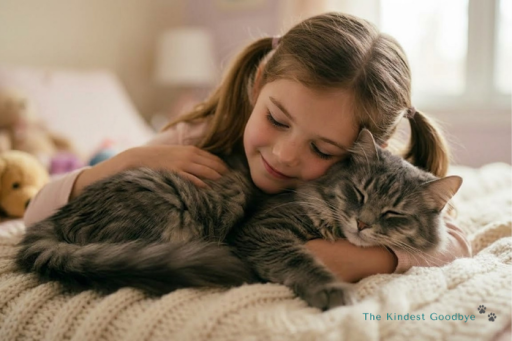
For children, losing a pet can be their first encounter with death. Clear and compassionate communication is essential.
Use simple, honest language to explain that:
Encourage children to share memories, draw pictures, or write letters. Validating their feelings teaches them that grief is a natural response to love.
Grief can affect both emotional and physical wellbeing. You may experience:
Practical ways to care for yourself include:
Joining a pet loss support group can also help reduce feelings of isolation.
Remaining pets in the household may also react to the loss. Some animals show behavioral changes such as decreased appetite, restlessness, or searching for their companion.
Supporting them may involve:
Veterinary advice can be helpful if changes persist.
Many families wonder when, or if, they should consider another pet. There is no universal timeline. Important considerations include:
A new companion does not erase grief but may eventually bring a different and meaningful bond when the time feels right.
Saying goodbye to a cherished companion is never easy, but being informed about the euthanasia process, aftercare options, and the realities of pet loss grief can help reduce uncertainty during an already painful time. Many families find that having a clear understanding of their options allows them to focus fully on creating a peaceful and meaningful farewell.
If you are considering in-home euthanasia or simply seeking guidance about what lies ahead, speaking with a compassionate veterinary professional can provide reassurance and practical support tailored to your pet’s needs.
To continue exploring how quality of life and compassionate care are supported in the UK, you may find these articles helpful:


Pet cremation services are an important decision for any grieving pet owner. Losing a beloved pet is an incredibly emotional experience, and choosing how to…

Deciding on dog euthanasia is never straightforward. Each dog and situation is unique, and determining the right time for this decision varies from case to…

Cat euthanasia is one of the most compassionate yet difficult decisions a pet parent may ever face. Saying goodbye to a beloved feline companion is…
If you would like to learn more or need advice, we offer free phone consultations with our caring team or one of the vets in our network to discuss your pet's situation.
If you would like to organise a peaceful farewell for your beloved pet at home, you can make a booking request and we will get back to you ASAP to confirm availability.
Pricing information can be found here.

The Kindest Goodbye now offers clients one month of free grief counselling and support through Griefity when you book with us. We also partner with Trees for Pets to offer discounted memorial tree planting to honour your pet's memory