The Untold Crisis: Why Australian Vets Are Struggling and How We Can Support Them
A Shocking Truth Hiding in Plain Sight When most Australians think of veterinarians, we picture compassionate professionals who dedicate their lives to caring for the…

Pet Quality of Life Australia is becoming one of the most important conversations in modern veterinary care. Across Australia, pet owners are living longer with their animals, managing chronic conditions, and seeking ways to improve comfort rather than simply extend lifespan. In 2026, the focus is shifting from survival to wellbeing.
Veterinary research consistently shows that quality of life is not determined by a single factor such as age or diagnosis. Instead, it is influenced by a combination of physical comfort, mental stimulation, emotional security, nutrition, mobility, and environment. When these elements are supported together, pets experience better health outcomes and stronger human animal bonds.
This article explores Pet Quality of Life Australia from a scientific and practical perspective. It provides evidence-based insights, veterinary guidance, and clear, easy-to-apply strategies for Australian pet owners who want to prioritise comfort and wellbeing at every stage of life.
Pet Quality of Life Australia refers to a holistic assessment of how an animal experiences daily living. It goes beyond the absence of disease and looks at how comfortably and meaningfully a pet can engage with life.
Veterinary quality of life models typically evaluate five core domains:
Physical comfort
Mobility and function
Nutrition and hydration
Mental and emotional wellbeing
Environmental safety and familiarity
In Australia, climate, lifestyle, and housing conditions also play a role. Heat exposure, outdoor access, and long travel distances to veterinary care can directly affect a pet’s wellbeing.
Australian pets are living longer due to advances in veterinary medicine. With longevity comes an increased prevalence of chronic conditions such as arthritis, kidney disease, heart disease, diabetes, and cognitive decline.
Research published in Australian veterinary journals shows that unmanaged discomfort significantly reduces quality of life even when pets are still eating and mobile. Early intervention focused on comfort can improve outcomes by months or years.
Pet Quality of Life Australia is not only about senior pets. Puppies, kittens, and adult animals also benefit from proactive wellbeing strategies.
Studies in veterinary behavioural science confirm that chronic stress and untreated pain alter neurological pathways in animals. This can lead to:
Reduced appetite
Withdrawal from social interaction
Increased anxiety
Changes in sleep patterns
Accelerated physical decline
Australian veterinary research emphasises that pain in animals is often under-recognised because pets instinctively mask discomfort. Quality of life assessments help identify subtle changes before they become severe.
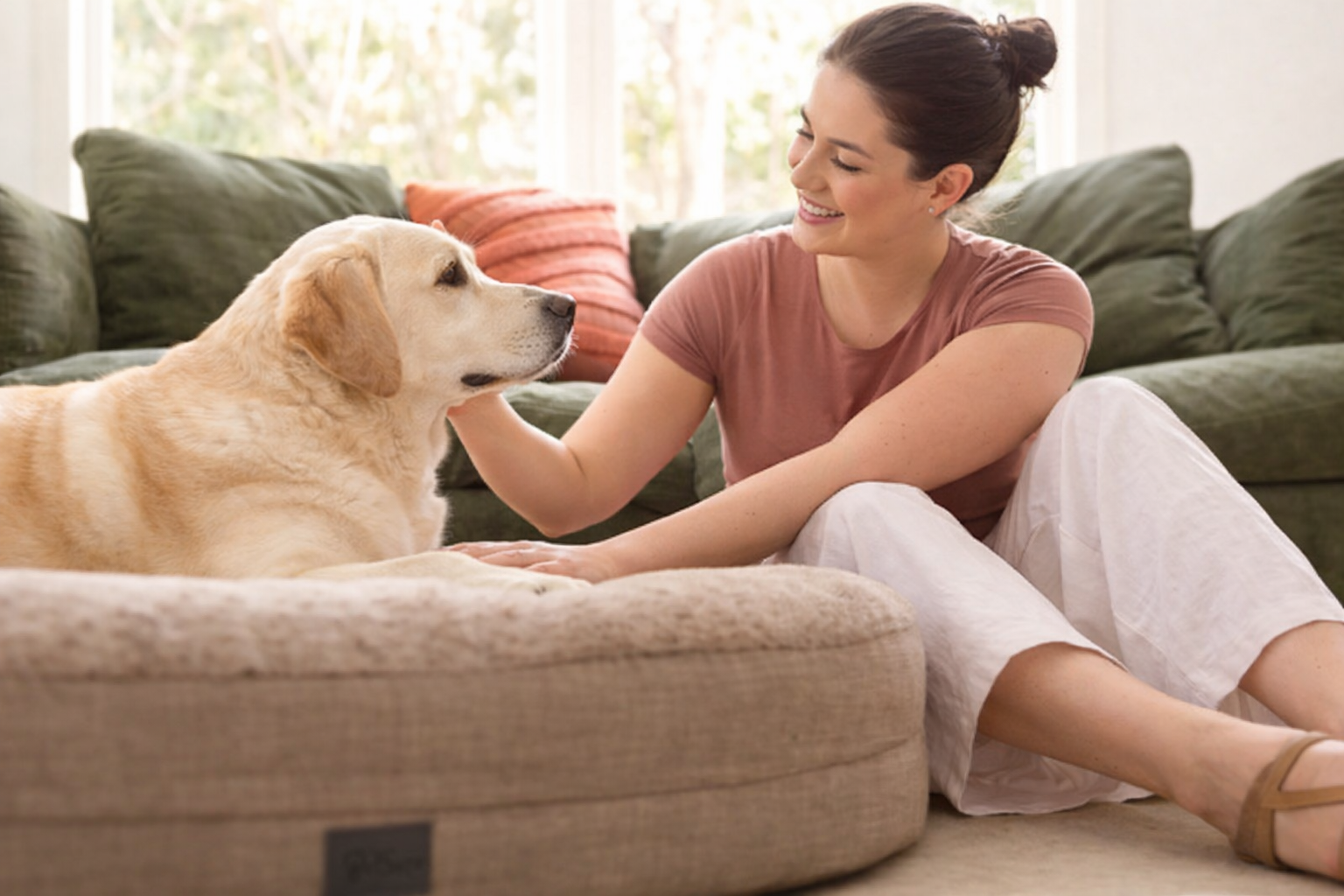
Veterinary professionals use structured tools to assess quality of life. These tools are designed to remove guesswork and focus on observable indicators.
Common assessment factors include:
Ability to move without distress
Interest in food and water
Willingness to engage with family
Response to treatment
Frequency of pain episodes
Ability to rest comfortably
Australian veterinarians increasingly recommend regular quality of life check-ins for pets over seven years of age.
Pet Quality of Life Australia assessments often begin at home. Early signs are subtle and easy to miss.
Physical signs
Limping or stiffness
Difficulty standing or lying down
Changes in breathing
Weight loss or gain
Reduced grooming
Behavioural signs
Less interest in play
Increased irritability
Avoidance of stairs or jumping
Restlessness at night
Increased vocalisation
Emotional signs
Withdrawal from family
Anxiety when left alone
Reduced curiosity
Clinginess or confusion
Recognising these signs early allows for timely intervention.
Provide orthopaedic bedding
Maintain stable indoor temperatures
Use non-slip flooring
Adjust feeding height
Reduce unnecessary noise
Studies show that environmental comfort significantly reduces joint pain and anxiety.
Maintain healthy weight
Introduce low-impact exercise
Use ramps instead of stairs
Consider veterinary-approved supplements
Schedule regular mobility assessments
Australian data shows obesity is one of the leading contributors to reduced quality of life in pets.
Choose age-appropriate diets
Prioritise hydration
Monitor appetite changes
Avoid excessive treats
Consult veterinarians before diet changes
Nutrition plays a direct role in inflammation, energy levels, and organ function.
Maintain routine
Offer enrichment activities
Encourage gentle social interaction
Avoid sudden environmental changes
Provide safe quiet spaces
Cognitive enrichment has been shown to slow age-related mental decline in dogs and cats.
Regular pain assessments
Multimodal pain management plans
Medication reviews
Physical therapy where appropriate
Monitoring side effects
Australian veterinary pain specialists emphasise that untreated pain accelerates decline.
Easy access to food and water
Shorter walking routes
Indoor litter adjustments
Night lighting for senior pets
Climate control during heatwaves
Environmental adaptation is one of the most effective quality of life interventions.
Annual health checks
Blood work for senior pets
Dental assessments
Early disease screening
Behavioural evaluations
Preventive care improves quality of life more than reactive treatment.
Australia’s climate presents unique challenges. Heat stress is a significant contributor to discomfort and organ strain.
Veterinary guidelines recommend:
Avoiding exercise during peak heat
Providing constant shade and water
Monitoring breathing patterns
Adjusting medication schedules in summer
Climate awareness is a critical component of Pet Quality of Life Australia.
Research consistently shows that extending life without comfort leads to poorer outcomes for both pets and families. Quality of life should guide treatment decisions.
Veterinary ethics frameworks in Australia prioritise welfare over duration of life when suffering cannot be controlled.
Families who understand Pet Quality of Life Australia report:
Less guilt
Clearer decision making
Reduced emotional trauma
Better communication with veterinarians
Planning ahead allows care decisions to be made from a place of compassion rather than urgency.
In home care has been shown to significantly reduce stress markers in pets by allowing them to remain in familiar surroundings where they feel safe, secure, and relaxed. For many animals, the home environment is closely associated with comfort, routine, and positive emotional experiences. This familiarity plays an important role in emotional regulation, particularly during moments of vulnerability such as medical assessments or end of life care. When pets are cared for at home, they are less exposed to unfamiliar sounds, smells, other animals, and clinical handling, all of which are known contributors to heightened anxiety.
From a behavioural science perspective, animals experience stress when they are removed from predictable environments. Transport, waiting rooms, restraint, and exposure to unfamiliar stimuli can trigger fear responses even in otherwise calm pets. In contrast, in home care allows animals to remain near their resting spaces, familiar people, and established routines. This continuity supports emotional wellbeing and helps pets remain calmer, more cooperative, and more settled throughout the care process.
Australian veterinary studies and clinical observations indicate that pets examined or treated in their home environment often display lower physiological stress responses compared to those seen in clinic settings. Research measuring cortisol, a hormone commonly associated with stress, has shown that pets tend to exhibit lower cortisol levels when assessed at home. Reduced cortisol is associated with calmer behaviour, improved tolerance of handling, and decreased anxiety related behaviours such as panting, trembling, vocalisation, or withdrawal.
Lower stress levels also have broader implications for overall health and quality of life. Chronic stress has been linked to immune suppression, delayed healing, increased pain sensitivity, and behavioural changes. By reducing stress through in home care, veterinarians can support both the emotional and physical wellbeing of pets. For Australian families, this approach aligns with a growing emphasis on compassionate, low stress veterinary care that prioritises comfort, dignity, and emotional safety alongside clinical outcomes.
The future of veterinary care in Australia is centred on:
Preventive wellbeing
Personalised care plans
Holistic quality of life assessments
Emotional support for families
Ethical end of life planning
Pet Quality of Life Australia will continue to guide how care is delivered, measured, and valued.
Pet Quality of Life Australia is not a passing trend or a short term shift in thinking. It represents a fundamental evolution in how Australians care for the animals who share their lives and give us their loyalty, trust, and companionship without condition. As veterinary medicine advances and pets live longer, our responsibility extends beyond keeping them alive. It now includes ensuring that each stage of life is lived with comfort, dignity, and meaning.
By prioritising comfort, mobility, mental wellbeing, and proactive veterinary care, Australian families can move away from crisis driven decisions and toward thoughtful, informed support. This approach recognises that wellbeing is shaped by everyday experiences such as moving without pain, resting comfortably, engaging with loved ones, and feeling safe in familiar surroundings. When these elements are protected, pets are able to enjoy life fully, even while managing age related or chronic conditions.
Quality of life is measured in the quiet, often unnoticed moments that make up a pet’s day. Moments of ease when standing or lying down. Moments of joy during gentle play or shared routines. Moments of connection through touch, presence, and familiarity. Moments of peace that come from feeling secure and understood. In 2026, choosing quality of life means choosing love expressed through thoughtful care, responsibility grounded in informed decision making, and respect for the lives of animals who have given us everything.
More to read :
A Shocking Truth Hiding in Plain Sight When most Australians think of veterinarians, we picture compassionate professionals who dedicate their lives to caring for the…
Dog Behaviour Before Death: How to Know When a Dog Is Dying and How to Support Them Compassionately in Australia In Australia, dogs are not…
Understanding Cancer in Australian Dogs: A Vet’s Data Based Guide for Early Detection and Care. Cancer is one of the most significant health challenges facing…
If you would like to learn more about our service or need advice, we offer free phone consultations with one of our caring vets to discuss your pet's situation.
If you would like to organise a peaceful farewell for your beloved pet at home, you can use our instant booking system or make a booking request and we will get back to you ASAP with availability.
Pricing for our services can be found here.

The Kindest Goodbye now provides one month of free grief counselling and support through Griefity when you book with us. We are also proud to partner with Trees for Pets to provide discounted memorial tree planting in honour of your pet