Pet Industry Trends for 2026
Pet Industry Trends in Australia, Longevity, and Technology The pet industry in 2026 is undergoing a profound shift. Growth is no longer driven primarily by…

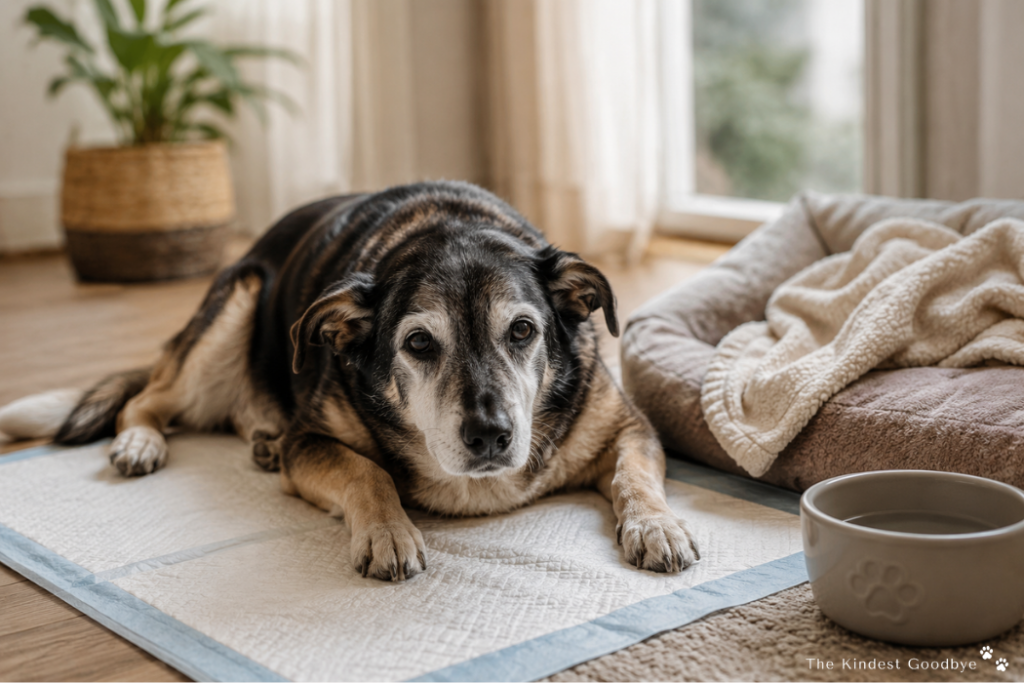
Incontinence in senior dogs is a common condition that can affect urinary or faecal control, impacting both your pet’s comfort and your household routine. While it can be challenging to manage, understanding the causes, symptoms, and supportive care strategies allows pet owners to provide a safe, compassionate environment for their aging companions.
With early recognition, veterinary guidance, and thoughtful home adjustments, families can help their senior dogs maintain dignity, comfort, and quality of life during their later years.
Incontinence in senior dogs is a common age-related condition that can affect urinary or faecal control. While it can be distressing for both pets and owners, recognising the signs early and providing supportive care at home can significantly improve comfort and quality of life.
This condition is often linked to age-related changes, underlying health issues, or previous medical conditions, making proper diagnosis and management essential for maintaining your dog’s wellbeing.
Several factors can contribute to incontinence in senior dogs, including:
Understanding the underlying cause helps guide effective treatment and home management.
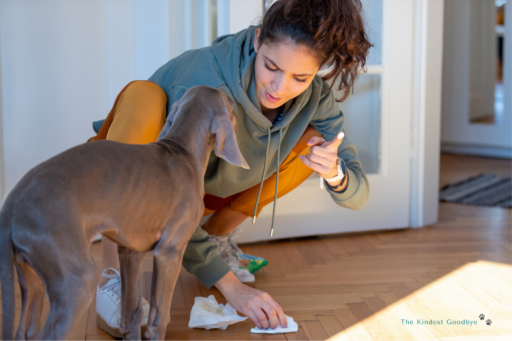
Pet owners may notice subtle or obvious changes, including:
Early recognition allows for timely veterinary evaluation and intervention.
A veterinarian will conduct a thorough evaluation to determine the cause of incontinence in senior dogs:
Accurate diagnosis ensures that treatment addresses the root cause rather than just managing symptoms.
Treatment varies depending on the underlying condition:
Following veterinary guidance is critical to improve comfort and reduce complications.
Providing a supportive home environment helps reduce stress and maintain quality of life:
Creating a predictable, accessible environment allows senior dogs to feel secure and supported.
Diet and hydration play a role in managing incontinence:
Proper nutrition supports overall health and bladder control.
Senior dogs with incontinence require ongoing observation:
Keeping a log of symptoms and incidents helps owners and veterinarians provide better, more responsive care.
Incontinence can be frustrating, but providing patience, compassion, and consistent care helps dogs remain confident and comfortable:
Emotional support, combined with practical care, ensures senior dogs maintain dignity, comfort, and quality of life.
Caring for a senior dog with incontinence requires patience, observation, and proactive support. From medical interventions and diet management to environmental modifications and emotional reassurance, small steps can make a significant difference in your dog’s daily comfort and wellbeing. By combining compassionate care with practical solutions, families can help their beloved pets live happy, confident lives even as they age.
Caring for a senior dog often means adapting to changing needs with patience, understanding, and support. Learning more about ageing, comfort care, and recognising changes early can help your dog maintain dignity and quality of life throughout their later years.
• Senior Dog Care: Recognising and Managing Age-Related Conditions
👉https://thekindestgoodbye.com/au/senior-dog-care/*
• Dog Behaviour Before Death
👉 https://thekindestgoodbye.com/au/dog-behaviour-before-death/
• 10 Compassionate Reasons Australian Pet Owners Choose Euthanasia: A Guide to Recognising Change
👉 https://thekindestgoodbye.com/au/10-compassionate-reasons-australian-pet-owners-choose-euthanasia-a-guide-to-recognising-change/
• RSPCA Australia – Caring for Older Dogs
👉 https://www.rspca.org.au
• Australian Veterinary Association – Pet Health Advice
👉 https://www.ava.com.au
Every senior dog deserves comfort, compassion, and support through every stage of ageing. Small adjustments at home, regular veterinary care, and plenty of patience can make a meaningful difference in helping your dog stay comfortable, confident, and well cared for. 💛🐾
Pet Industry Trends in Australia, Longevity, and Technology The pet industry in 2026 is undergoing a profound shift. Growth is no longer driven primarily by…
10 Compassionate Reasons Australian Pet Owners Choose Euthanasia: A Guide to Recognising Change. When you notice worrying changes in your pet’s behaviour, it can be…
Pet Quality of Life Australia is becoming one of the most important conversations in modern veterinary care. Across Australia, pet owners are living longer with…
If you would like to learn more about our service or need advice, we offer free phone consultations with one of our caring vets to discuss your pet's situation.
If you would like to organise a peaceful farewell for your beloved pet at home, you can use our instant booking system or make a booking request and we will get back to you ASAP with availability.
Pricing for our services can be found here.

The Kindest Goodbye now provides one month of free grief counselling and support through Griefity when you book with us. We are also proud to partner with Trees for Pets to provide discounted memorial tree planting in honour of your pet