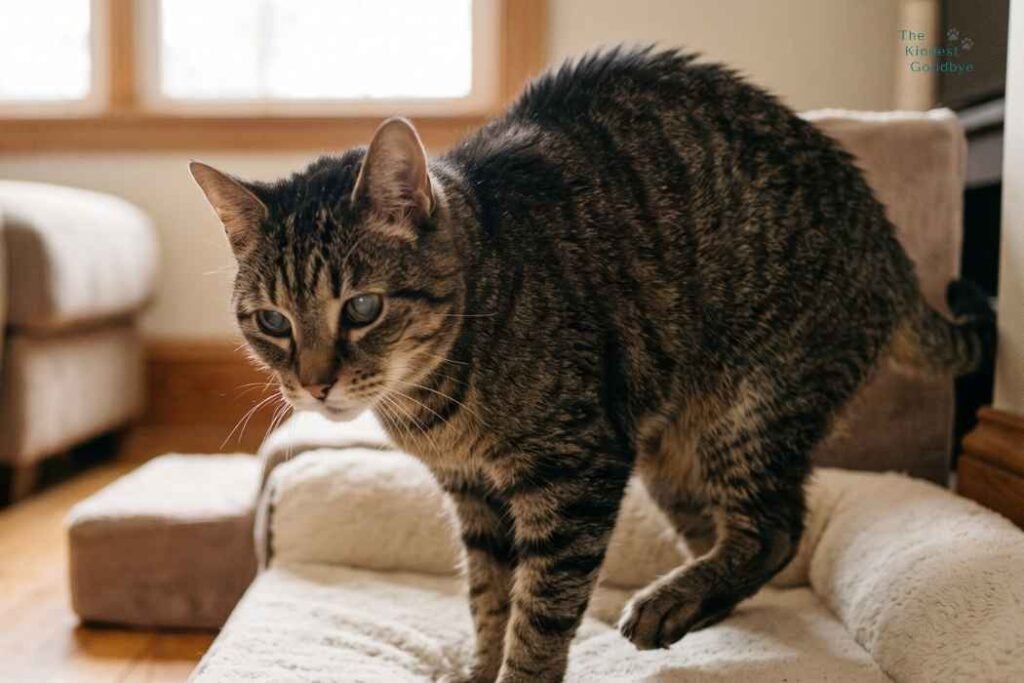
Understanding Arthritis in Cats
Arthritis in Cats, also called degenerative joint disease (DJD), is a common condition in senior cats. It occurs when cartilage in the joints degenerates, causing pain, stiffness, and reduced mobility. While cats are good at hiding discomfort, arthritis can significantly impact their quality of life if left untreated.
Recognising the early signs of arthritis allows owners to provide comfort-focused care at home, reduce stress, and help cats remain active and happy.
Common Signs of Arthritis in Cats
Arthritis can be subtle, and cats often mask pain. Watch for these behavioural and physical changes:
- Reluctance to jump or climb stairs, furniture, or favorite resting spots
- Reduced activity or decreased playfulness
- Stiff gait or limping
- Difficulty grooming, leading to a matted or dull coat
- Irritability when touched in certain areas
- Changes in sleeping patterns or increased rest
Noticing these signs early allows for timely intervention to support comfort and mobility.
Causes and Risk Factors
Several factors contribute to arthritis in cats:
- Age – older cats are more prone due to natural joint wear
- Genetics – certain breeds may have predispositions to joint issues
- Previous injuries – fractures or ligament damage can accelerate joint degeneration
- Obesity – excess weight increases stress on joints
Understanding risk factors helps owners proactively monitor for early symptoms and manage lifestyle adjustments.
Veterinary Diagnosis and Assessment
Accurate diagnosis is essential. A veterinarian may:
- Conduct a physical exam focusing on joint flexibility and pain response
- Recommend X-rays or imaging to assess joint health
- Check for secondary conditions, such as muscle loss or inflammation
- Evaluate weight and overall health, as these affect mobility
Proper diagnosis allows for a comprehensive, tailored care plan to improve comfort.
Pain Management Strategies
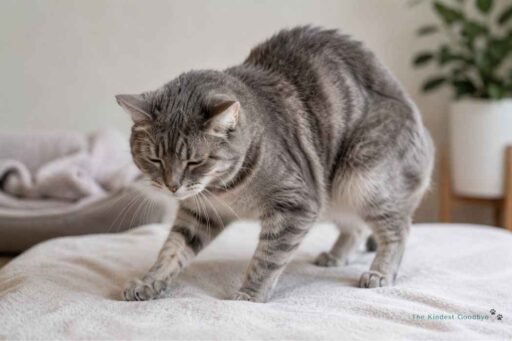
Effective arthritis management often involves a combination of medical and lifestyle interventions:
Medications
- Non-steroidal anti-inflammatory drugs (NSAIDs) specifically formulated for cats
- Pain relievers or adjunct therapies prescribed by a veterinarian
- Joint supplements containing glucosamine, chondroitin, or omega-3 fatty acids
- Pentosan polysulfate and monocloanl antibody therapies
Environmental Adjustments
- Soft bedding in warm, accessible areas
- Ramps or steps to favorite perches or furniture
- Low-sided litter boxes to reduce strain
- Avoiding slippery floors or obstacles that require jumping
Lifestyle and Mobility Support
- Encouraging gentle daily activity to maintain muscle tone
- Maintaining a healthy weight to reduce joint stress
- Interactive play with short, controlled sessions
- Monitoring behaviour to adjust support as arthritis progresses
Combining these strategies helps minimise pain and maintain independence.
Nutritional Considerations for Arthritic Cats
Diet plays a key role in managing arthritis:
- Weight management diets to reduce joint pressure
- Anti-inflammatory ingredients such as omega-3 fatty acids
- High-quality protein to maintain muscle mass
- Special joint-support diets recommended by veterinarians
Regular feeding routines and monitoring weight can support overall mobility and comfort.
Grooming and Hygiene Support
Arthritis can make self-grooming difficult, leading to matting or skin irritation. Owners can help by:
- Brushing or combing gently every few days
- Checking for skin irritation or sores under mats
- Assisting with bathing if necessary
- Keeping nails trimmed to prevent slipping or discomfort
Providing grooming support reduces stress and discomfort, and strengthens the bond between owner and cat.
Monitoring Changes and Adjusting Care
Arthritis is progressive, so continuous monitoring is important:
- Track mobility, activity levels, and behaviour
- Watch for increased vocalisation, restlessness, or hiding
- Adjust environmental supports as needed
- Schedule regular veterinary check-ups for medication or therapy adjustments
Keeping a daily log of symptoms and behaviours helps detect patterns and informs treatment decisions.
Comfort and Quality of Life at Home
Simple home modifications can greatly enhance your cat’s comfort:
- Heated beds for joint relief
- Accessible litter boxes, food, and water
- Avoiding unnecessary stairs or jumping challenges
- Providing quiet, safe resting areas away from noise
Consistency, patience, and proactive care help arthritic cats maintain independence, dignity, and overall wellbeing.
Caring for a cat with arthritis requires patience, observation, and proactive support. From environmental modifications and pain management to nutrition and gentle activity, small adjustments can make a significant difference in your cat’s comfort. By addressing arthritis thoughtfully, you can help your cat maintain mobility, independence, and happiness throughout their senior years.
More to Read
If you are caring for a senior cat or are concerned about changes in your pet’s health and quality of life, these articles may also help:
Trusted External Resources
- International Cat Care
Comprehensive information on feline heart disease, HCM, diagnosis, treatment, and long term management.
- RSPCA Australia Knowledgebase
Advice on caring for pets with chronic health conditions and supporting their welfare throughout their lives.
When Arthritis Begins to Affect Your Cat’s Quality of Life
For cats living with advanced arthritis or other age related conditions, the focus may eventually shift from treating the condition to prioritising comfort, dignity, and quality of life.
If you are worried about your cat’s comfort or facing difficult decisions about their care, our compassionate vets at The Kindest Goodbye are here to guide you through every step with care and dignity. You are not alone.