How to explain pet euthanasia to kids with compassion
Here’s a Guide on How to Explain Pet Euthanasia to Kids: A Compassionate Guide for Pet Owners in Australia Losing a beloved family dog is…

Noticing worrying changes in your pet’s behaviour is one of the hardest experiences for any pet owner. Each year, thousands of Australian families face this challenge and search for guidance on when it’s time to say goodbye. Knowing the 10 reasons Australian pet owners choose euthanasia can provide clarity and comfort during these difficult decisions.
Pets cannot speak to us, but their behaviour speaks volumes. Changes in behaviour often indicate discomfort, pain, illness, or cognitive decline. For example, a once playful dog may become withdrawn or a normally affectionate cat might hide more often.
Many behavioural changes result from physical causes such as arthritis, cancer, or organ failure, while others arise from neurological conditions like cognitive dysfunction syndrome, which affects older pets’ memory and orientation.
Understanding these shifts is the first step towards assessing your pet’s quality of life and deciding if euthanasia is the humane option.
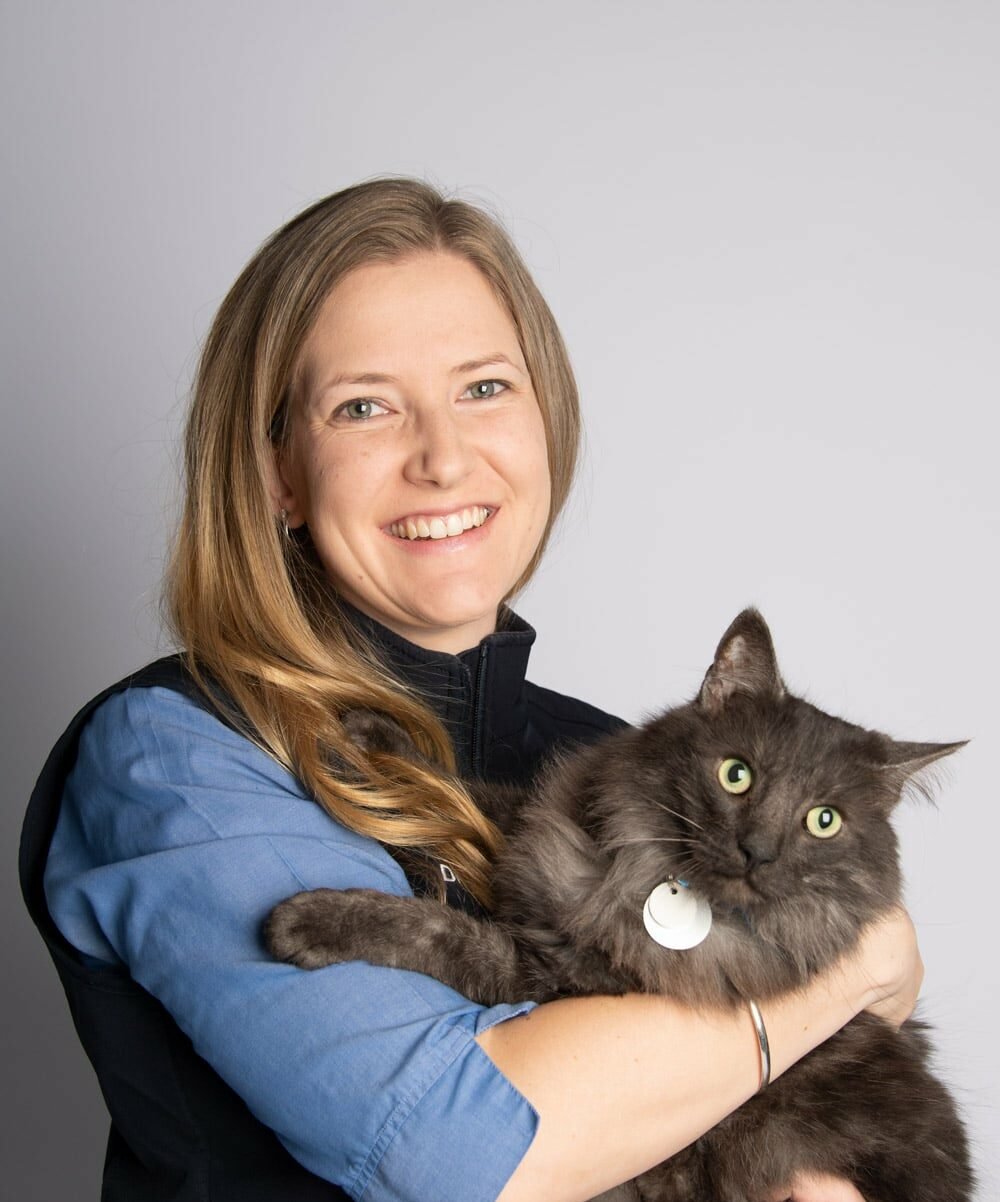
Bella was a magnificent Maine Coon with a thick, luxurious coat and piercing green eyes that always seemed full of curiosity. She had been the heart of her family’s home for nearly twelve years, greeting everyone with a gentle purr and a soft nuzzle. Bella’s playful nature was evident in the way she chased sunbeams across the living room and batted at feather toys, bringing joy and laughter to her owners every day.
Over the course of several months, Bella’s behaviour began to shift subtly but noticeably. The once energetic and affectionate cat started spending more time hiding under the furniture, avoiding the usual spots where she loved to lounge. Her appetite, which had always been healthy and robust, started to wane. At first, her owners attributed this to a mild stomach upset or the occasional finicky mood that cats sometimes have. However, as weeks passed, Bella’s weight visibly decreased, and she began grooming herself less often, resulting in a duller coat.
Concerned, the family took Bella to their trusted veterinarian, where a series of tests revealed she was battling an aggressive form of cancer. The diagnosis was devastating. Although there were treatments available, the vet explained that they might bring more discomfort than relief, considering Bella’s age and the progression of the disease. Faced with this heartbreaking news, Bella’s family had to confront the harsh reality that the kindest thing they could do for her was to ensure her final days were comfortable and free from pain.
Choosing at-home euthanasia allowed Bella to remain in the warmth and familiarity of her home, surrounded by the people she loved most. The veterinarian came to their house and gently administered the medication, allowing Bella to pass peacefully without the added stress of a clinic visit. Bella’s family was there with her every moment, holding her close and whispering loving words, grateful for the chance to say goodbye on their terms.
Bella’s story is one shared by many Australian pet owners — a testament to the deep bond between humans and their pets and the compassionate choices made to honour that bond. Understanding when to say goodbye is never easy, but with the right knowledge and support, families can provide their beloved companions with the dignity and peace they deserve.
Cancer
Cancer is the leading cause of euthanasia in pets across Australia. It involves the uncontrolled growth of abnormal cells that can spread and damage vital organs, leading to pain and organ failure. Early detection improves management, but many cancers become untreatable in advanced stages, making euthanasia a humane choice to prevent suffering.
Old Age
Ageing naturally reduces organ function, mobility, and sensory abilities in pets, increasing vulnerability to disease and chronic pain. Declining immune responses make elderly pets more prone to infections and slower recovery. When quality of life diminishes significantly, euthanasia is often considered to avoid prolonged discomfort.
Chronic Pain and Arthritis
Arthritis causes inflammation and degeneration of joints, leading to persistent pain, stiffness, and reduced mobility. It affects up to 90% of dogs over 8 years old and many older cats, severely impacting daily activities. Without effective pain management, euthanasia becomes a compassionate option to relieve unmanageable suffering.
Severe Organ Failure
Failure of organs like the kidneys, liver, or heart results in toxin buildup, fluid retention, and metabolic imbalances. Chronic kidney disease alone affects nearly 10% of cats and dogs, causing weakness, nausea, and pain. When treatment no longer improves quality of life, euthanasia helps prevent further decline and distress.
Cognitive Dysfunction Syndrome
Similar to Alzheimer’s in humans, cognitive dysfunction leads to disorientation, memory loss, and behavioural changes in aging pets. This neurological decline causes anxiety, decreased interaction, and confusion, reducing their ability to enjoy life. When symptoms severely impair wellbeing, euthanasia can be the kindest choice.
Incurable Infections or Diseases
Certain infections and diseases like Feline Infectious Peritonitis (FIP) or untreatable heart conditions cause progressive deterioration. These illnesses often lead to severe pain, weakness, and poor prognosis. Euthanasia prevents unnecessary suffering when curative treatment is unavailable.
Severe Injury or Trauma
Accidents causing catastrophic injury such as spinal fractures or severe burns often leave pets with irreversible damage. Surgical options may be limited or impossible, resulting in chronic pain and immobility. Euthanasia offers a humane end to avoid prolonged agony.
Unmanageable Behaviour Changes
Extreme behavioural issues like severe aggression or anxiety may threaten safety and reduce quality of life for pets and owners. These changes often stem from neurological or psychological disorders. When rehabilitation fails, euthanasia is considered to protect all involved.
Quality of Life Decline
Loss of appetite, inability to move comfortably, or lack of interest in familiar activities indicates diminished quality of life. Veterinary quality of life scales assess physical and emotional wellbeing to guide decisions. When suffering outweighs joy, euthanasia is a compassionate alternative.
Owner’s Inability to Care
Sometimes owners face financial, health, or logistical challenges preventing proper care for a sick pet. In such cases, euthanasia may be chosen to prevent neglect or prolonged distress. Support services exist to assist families during these difficult decisions.
Pet euthanasia in Australia is a deeply compassionate choice that many pet owners face when their beloved animals experience suffering that cannot be relieved. Whether it’s dog euthanasia or cat euthanasia, understanding the signs for euthanasia is essential for ensuring your pet’s dignity and comfort during their final days. Evaluating your pet’s quality of life often involves recognising physical and behavioural changes that indicate increasing pain or distress, such as loss of appetite, mobility issues, or chronic discomfort. Many owners experience anticipatory grief pet loss, a difficult emotional process that precedes the actual goodbye. The availability of pet end of life care options, including home euthanasia Australia, provides a peaceful alternative for pets to pass away in familiar surroundings, supported by trusted professionals.
In Australia, there are numerous euthanasia services tailored to meet the needs of different communities, with expert veterinarians guiding families through decisions such as when to put a dog down and managing pet suffering signs effectively. Conditions such as chronic pain in pets and serious illnesses like cancer in dogs are common reasons pet owners seek humane relief for their companions. As pets age, attentive aging pets care becomes critical, with the goal to maximise comfort and reduce unnecessary suffering. Humane approaches to pet euthanasia emphasize dignity and compassion, often accompanied by pet loss support Australia networks to help owners through grief.
Professional vet euthanasia services ensure that procedures are conducted safely, painlessly, and with respect, whether in clinics or through at home euthanasia Australian way, a growing preference for many who want to avoid stressful travel for their pets. Cost considerations such as pet euthanasia cost Australia vary by service but should never overshadow the importance of providing a peaceful end for a cherished pet. Recognising pet behavioural changes early and consulting with veterinary professionals can help families make informed, kind decisions.
For more information about compassionate pet euthanasia services in Australia, visit The Kindest Goodbye for support and guidance. To learn about signs indicating when euthanasia may be the kindest option, check out Pet Euthanasia Advice Australia for expert tips.
Loss of appetite or refusal to eat
Difficulty walking, standing, or climbing stairs
Withdrawal from family or favourite activities
Excessive vocalisation or signs of distress
Changes in breathing or heart rate
Loss of bladder or bowel control
Persistent pain or discomfort despite treatment
Lack of interest in surroundings or companions
Significant weight loss or muscle wasting
Signs of confusion or disorientation
Q: Is it normal for pets to stop eating before euthanasia?
A: Loss of appetite is common but should be considered alongside other signs of quality of life. Consult your vet for a full assessment.
Q: How can I tell if my pet is in pain?
A: Signs include limping, restlessness, whining, and behavioural changes. Veterinary evaluation is important for accurate diagnosis.
Q: What happens during at-home euthanasia?
A: A veterinarian administers medication to ensure a peaceful, pain-free passing, usually in your pet’s familiar environment.
Q: Can I be with my pet during euthanasia?
A: Yes. Many owners find comfort in staying with their pet through the process.
Deciding on euthanasia is never easy, but knowing the signs, understanding reasons, and recognising anticipatory grief helps you act with compassion. Australian pet owners deserve support, information, and empathy during this journey.
If you notice worrying changes in your pet’s behaviour or want to discuss euthanasia options, contact The Kindest Goodbye. Our caring network of Australian veterinarians provides guidance and support to help you give your pet a gentle farewell.

Here’s a Guide on How to Explain Pet Euthanasia to Kids: A Compassionate Guide for Pet Owners in Australia Losing a beloved family dog is…

When a pet owner is faced with the difficult decision of putting their beloved pet down, they may wonder if euthanasia at home is a…

Paralysis Ticks in Pets: A Guide for Australian Pet Owners Paralysis ticks are a serious concern for pets in Australia, particularly in coastal and bushland…
If you would like to learn more about our service or need advice, we offer free phone consultations with one of our caring vets to discuss your pet's situation.
If you would like to organise a peaceful farewell for your beloved pet at home, you can use our instant booking system or make a booking request and we will get back to you ASAP with availability.
Pricing for our services can be found here.

The Kindest Goodbye now provides one month of free grief counselling and support through Griefity when you book with us. We are also proud to partner with Trees for Pets to provide discounted memorial tree planting in honour of your pet