How Old Is My Dog? Understanding Dog Age in Human Years in Australia
How Old Is My Dog? Understanding Dog Age in Human Years in Australia “How old is my dog in human years?” It is one of…

The decision to say goodbye to a beloved pet is one of the hardest choices any family will ever make. It brings grief, love, and uncertainty all at once. One of the biggest concerns for many pet owners is not only when the right time might be, but also what actually happens during the pet euthanasia process in Australia.
Understanding the process can bring comfort, reduce fear, and help families make informed, compassionate decisions. This guide provides a step-by-step explanation of how euthanasia is typically carried out in veterinary clinics and in-home settings across Australia. It also outlines what to expect before, during, and after the procedure, drawing on veterinary expertise and real-world practices.
For many Australians, pets are true family members. According to Animal Medicines Australia’s 2022 report, around 69% of Australian households own a pet, with dogs and cats being the most common. When end-of-life decisions arise, the lack of information can create added stress for families already in emotional pain.
By breaking down the pet euthanasia process in Australia into clear, understandable steps, owners can approach the day with greater peace of mind.
The word euthanasia comes from Greek roots meaning “good death.” In veterinary practice, it refers to the medically guided, painless, and humane process of ending an animal’s life to prevent unnecessary suffering.
As veterinary specialist Dr. Kathleen Cooney, a pioneer in animal end-of-life care, explains:
“Euthanasia, when carried out properly, is one of the most compassionate gifts we can offer our pets. It allows them to pass peacefully, free from pain, and surrounded by love.”
In Australia, veterinarians follow strict guidelines set by professional bodies such as the Australian Veterinary Association (AVA), ensuring the process is ethical, safe, and respectful.
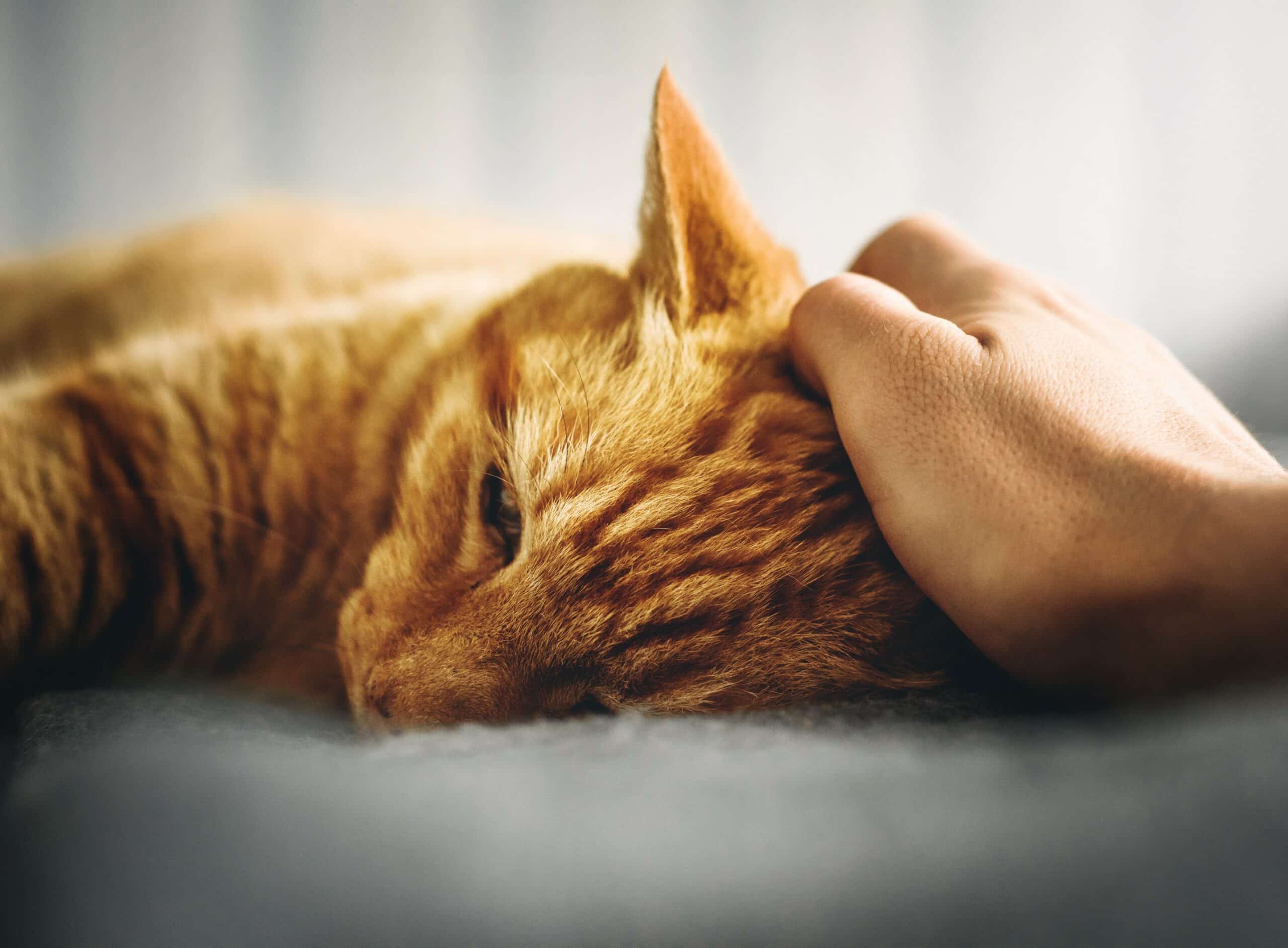
The pet euthanasia process in Australia begins with an open and compassionate discussion between the veterinarian and the pet owner.
During this consultation, the vet will:
Some vets may use tools like the HHHHHMM Scale (Hurt, Hunger, Hydration, Hygiene, Happiness, Mobility, More good days than bad) to help owners objectively assess whether euthanasia is appropriate.
This stage is crucial for building trust. Owners are encouraged to voice their concerns and to be fully involved in the decision-making.
Once the decision has been made, preparation helps reduce anxiety for both pets and their families.
Owners can decide between:
Families should prepare by:
It is also advisable to arrange transportation, payment, and any memorial items beforehand. This allows the day itself to be focused on the pet.
The actual pet euthanasia process in Australia nearly always begins with sedation. The vet administers a gentle sedative injection to ensure the pet is calm, comfortable, and free from stress.
This stage ensures that the final injection is peaceful. Sedation is a safeguard for both pets and families, allowing the last moments to be free from fear.
After sedation has taken effect, the vet administers the final injection. This is usually an overdose of an anaesthetic agent such as pentobarbital.
The process is entirely painless. From the pet’s perspective, it feels like drifting into a deep sleep. Owners are often reassured when they see how calm and peaceful the transition is.
During the pet euthanasia process in Australia, owners sometimes notice physical changes that are completely natural:
These are normal bodily reflexes and do not mean the pet is experiencing pain. The vet will explain this beforehand to reduce distress.
Once the injection has taken effect, the veterinarian will check the pet’s heartbeat and breathing. They will confirm when the pet has passed away and give the family time to say their goodbyes.
This stage is handled with dignity and respect, allowing the moment to be marked and remembered.
After the euthanasia, families must decide how they wish to handle their pet’s remains. In Australia, the most common options are:
Some families choose additional memorials such as paw prints, locks of fur, or engraved urns.
Grief after pet loss is profound and valid. Studies show that the grief experienced after losing a pet can be just as intense as that following the loss of a human loved one. In a survey by the University of Hawaii, over 30% of pet owners described the loss of their animal as the most significant loss in their lives.
Veterinarians are increasingly trained to support families emotionally during and after the euthanasia process. Many practices offer information about grief counselling, support groups, or online resources.
As pet bereavement specialist Dr. Wallace Sife once said:
“The grief over losing a pet is unique because it is unconditional love that has been lost. Acknowledging that grief is the first step to healing.”
Veterinary practices are recognising that end-of-life care is as much about emotional support as medical procedure. Holistic approaches, including home visits, palliative care, and integrative therapies like acupuncture, are increasingly part of the discussion.
This evolution reflects a cultural shift: Australians see pets as true family, and they want their final moments to reflect that bond.
The pet euthanasia process in Australia is designed to ensure dignity, comfort, and peace for both pets and their families. By understanding each stage —> from consultation and sedation to the final injection and aftercare, owners can approach the day with clarity and compassion.
Although it is one of the hardest choices any pet owner will face, knowing what happens during euthanasia can provide reassurance. It transforms fear of the unknown into a conscious, loving act of kindness.
At The Kindest Goodbye, we believe every pet deserves a farewell that is peaceful, respectful, and surrounded by love.
How Old Is My Dog? Understanding Dog Age in Human Years in Australia “How old is my dog in human years?” It is one of…
Losing a beloved pet is a deeply emotional experience. As guardians of our furry companions, we want to ensure their final moments are as peaceful…
How to Choose the Right Pet Cremation Services: 9 Essential Factors to Consider Pet cremation services offer a meaningful way to honour the memory of…
If you would like to learn more about our service or need advice, we offer free phone consultations with one of our caring vets to discuss your pet's situation.
If you would like to organise a peaceful farewell for your beloved pet at home, you can use our instant booking system or make a booking request and we will get back to you ASAP with availability.
Pricing for our services can be found here.

The Kindest Goodbye now provides one month of free grief counselling and support through Griefity when you book with us. We are also proud to partner with Trees for Pets to provide discounted memorial tree planting in honour of your pet