Understanding Horse Euthanasia in Australia: A Compassionate Guide for Owners
Understanding Horse Euthanasia in Australia: A Compassionate Guide for Owners. Making the decision to euthanise a horse is one of the hardest responsibilities any owner…
In living rooms, gardens, and quiet corners across Australia, a quiet transformation in veterinary medicine is taking place. Instead of sterile clinic lights and waiting rooms, many vets are meeting their patients on the sofa, in the sunshine, or at the foot of the family bed.
They are part of a growing movement of professionals choosing in-home veterinary care — a model that focuses on compassion, emotional connection, and balance for both pets and practitioners.
For many, this is not just a new way to work. It is a return to the original spirit of veterinary medicine: healing, presence, and empathy.
The pandemic years reshaped how Australians think about work, purpose, and care. That shift has reached the veterinary profession too. Increasingly, vets are seeking flexibility, autonomy, and meaningful connection in their careers — values that traditional clinic environments often struggle to provide.
According to a 2023 AVA Workforce Report, more than 60 percent of veterinarians in Australia experience moderate to high levels of burnout, with emotional exhaustion and compassion fatigue being among the most common reasons for leaving clinical practice. The long hours, fast-paced caseloads, and emotional burden of euthanasia performed under time pressure have created a profession at breaking point.
Yet from this challenge, a new model is emerging.
In-home veterinary care, particularly mobile end-of-life services, is offering vets a way to reconnect with the very reason they entered the field — to make a genuine difference in the lives of animals and their families.
When Dr. Sarah*, a Brisbane-based veterinarian, decided to step away from traditional small-animal practice after ten years, she was not sure what would come next.
“I loved my patients, but I was starting to feel like a machine. Appointments every 15 minutes, difficult cases, grief in the hallway — it takes its toll,” she says. “The day I performed my first in-home euthanasia, I realised this was the work I wanted to do. It was calm, respectful, and human.”
Dr. Sarah is now part of a growing network of vets across Australia working with organisations like The Kindest Goodbye, which specialise in at-home euthanasia and end-of-life care. These professionals visit families in their homes to provide comfort, assessment, and, when the time comes, a gentle and peaceful farewell.
The work is emotionally demanding, but it is also deeply fulfilling. “It’s not about death,” she explains softly. “It’s about dignity. It’s about presence.”
The move towards compassionate, home-based care is as much emotional as it is professional. Pets are family, and families want to say goodbye in the most loving way possible.
According to Animal Medicines Australia’s 2022 Pets in Australia report, 69 percent of households now share their home with at least one pet. As this bond grows stronger, expectations of veterinary care are evolving too.
Families no longer see euthanasia as a purely clinical procedure but as a deeply personal experience. They want warmth, choice, and understanding — values that align closely with the in-home care model.
For veterinarians, the impact of working in this environment is profound. Instead of rushing between consultations, they have the time to connect, listen, and support both animal and human wellbeing.
“In the clinic, you are often holding space for ten different emotions at once,” says Dr. Emily, a mobile vet based in Sydney. “At home, the energy is different. There’s a sense of peace, even when it’s sad. You are not just treating an animal — you are guiding a family through one of life’s hardest moments.”
Traditionally, compassion in veterinary care has been viewed as emotional endurance — the ability to stay composed through grief, stress, and fatigue. But in-home care invites a different interpretation: compassion as presence and shared humanity.
This shift is backed by psychology. Studies from the University of Melbourne’s Centre for Veterinary Education show that vets who feel aligned with their values and connected to their patients report significantly lower burnout scores than those who feel emotionally detached.
The slower pace and deeper connection of in-home visits appear to buffer emotional strain and restore professional satisfaction.
For many practitioners, it is also about balance. Working independently or through mobile care services allows vets to set their own schedules, manage their energy, and re-establish a healthy boundary between work and home life.
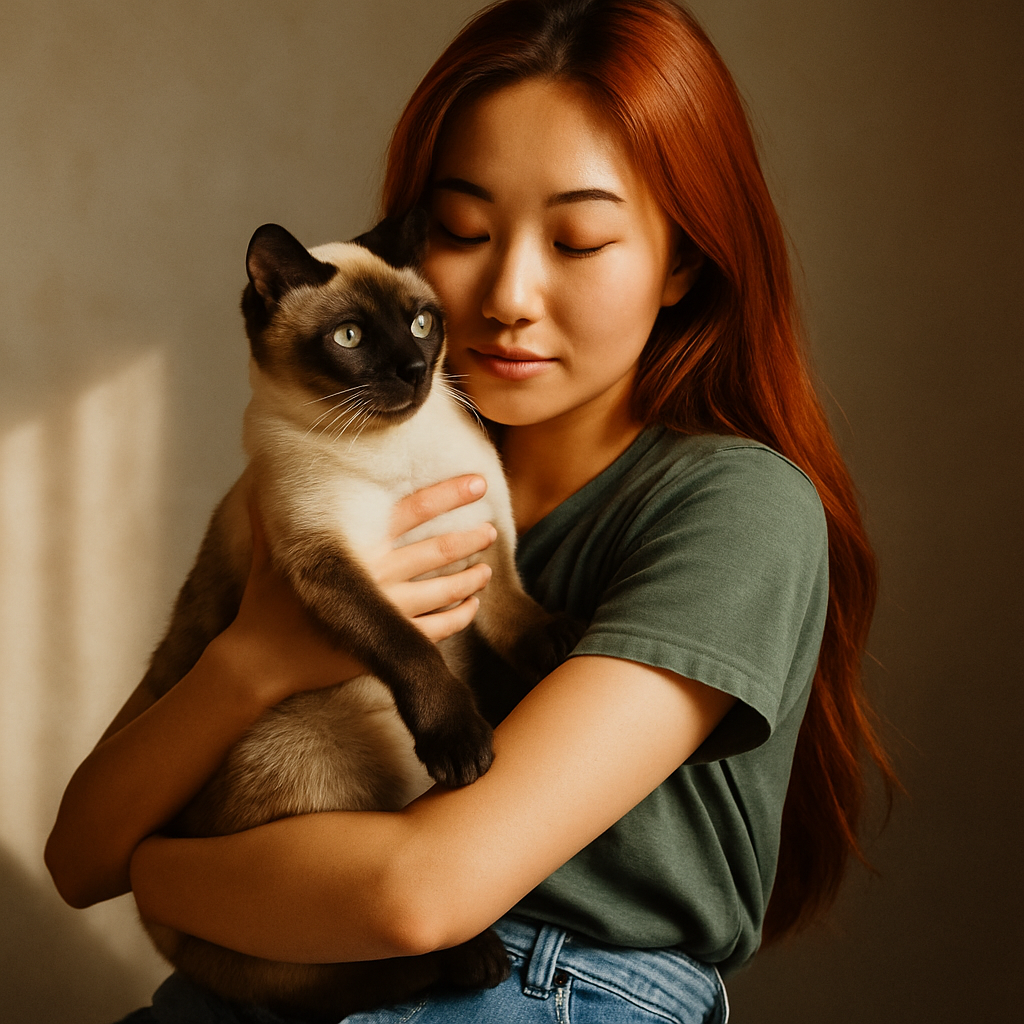
“I finally feel I can breathe again,” shares Dr. Emily. “I work fewer hours, but my impact feels greater. When I finish a visit, I don’t feel drained. I feel grateful.”
While in-home euthanasia remains the cornerstone of this growing field, the model is expanding to include palliative care, geriatric wellness checks, acupuncture, pain management, and grief support.
Veterinary medicine is becoming more integrative, blending science-based medicine with holistic approaches to comfort and wellbeing.
Pet owners are increasingly requesting services that address quality of life rather than cure, especially for ageing pets. This reflects a wider cultural change in human healthcare too — one that values comfort, choice, and dignity in the final stages of life.
In-home palliative care gives families time to process, prepare, and plan. It also provides continuity of care for pets who struggle with car rides or clinic stress.
“It’s not just about the final moment,” says Dr. Sarah. “It’s about making sure every day leading up to that is peaceful. Sometimes I visit the same pet for months, helping them stay comfortable at home until the family feels ready.”
Mobile care allows vets to design their schedules around their own lives, often working fewer days per week while maintaining or even increasing income.
End-of-life care offers a unique sense of fulfilment. Many vets describe it as “the most meaningful medicine” they have ever practised.
Without the constant pressure of back-to-back consultations, emergency calls, and financial stressors, many vets find their emotional health improves dramatically.
The home environment fosters genuine empathy. Vets witness love, tenderness, and gratitude that are often lost in the clinical setting.
Pet owners increasingly search for “pet euthanasia near me” or “in-home vet services,” particularly in major cities like Sydney, Melbourne, and Brisbane. The demand for mobile care has risen by more than 30 percent since 2021, according to search trend data.
Behind every in-home visit is a vet who has learned to balance compassion with care for themselves. Many professionals admit that working with death daily requires emotional maturity, support systems, and reflection.
“People assume it must be depressing,” says Dr. Emily. “But actually, it’s the opposite. When you help a pet pass peacefully, surrounded by love, you witness the best of humanity. It restores your faith in why you became a vet in the first place.”
To support this growing field, organisations like The Kindest Goodbye are creating training modules, peer support groups, and emotional resilience workshops for veterinarians. These programs focus on self-care, grief literacy, and communication skills, helping vets stay grounded in their purpose while managing the emotional intensity of their work.
The history of veterinary care began with home visits. Before modern clinics, vets were community healers, travelling from home to home, treating animals in the environments where they lived.
In a way, mobile end-of-life services are bringing the profession full circle — returning to personalised, compassionate care where it is needed most.
This model also mirrors a growing movement toward “slow medicine” — a philosophy that prioritises presence, communication, and holistic healing over efficiency and volume.
“We talk about science all the time, but empathy is also a science,” says Dr. Sarah. “It’s measurable, teachable, and it saves lives — sometimes not the animal’s, but the human’s. Families remember how their pet’s last moments felt. That is powerful medicine.”
As pet ownership continues to grow, the expectations placed on veterinary professionals are changing too. Pet parents want not only excellent medical care but also emotional understanding and choice.
The demand for home-based veterinary care is expected to rise significantly over the next decade, particularly among:
This shift is already influencing veterinary education. Some universities now include modules on compassionate communication, end-of-life ethics, and grief support as part of their curriculum. The profession is evolving from treating animals in isolation to caring for the entire human-animal bond.
For the vets who choose this path, their impact is felt long after each visit. Families often describe their gratitude in heartfelt messages, handmade cards, or memorial notes.
Dr. Emily shares one that still stays with her:
“A little girl handed me a drawing of her dog with angel wings. She said, ‘Thank you for helping him not be scared.’ That was years ago, and I still keep it in my desk. It reminds me every day that what we do matters.”
This kind of work creates legacies not just for pets, but for the vets themselves — proof that medicine can be both healing and humane.
In-home euthanasia and palliative care are no longer fringe services in Australia. They are part of a broader movement toward empathetic, values-driven practice.
The Kindest Goodbye has become one of the most trusted names in this space, connecting compassionate vets with families who need gentle, respectful care. The organisation’s mission is simple but profound: to make every goodbye peaceful and every vet feel supported in their work.
By giving veterinarians the freedom to practise medicine in alignment with their ethics and humanity, The Kindest Goodbye is helping redefine what it means to be a healer in today’s world.
Veterinary medicine has always been about care, but the definition of that care is changing. In-home practice allows vets to bring compassion to life — literally — by standing beside families, not just treating their pets.
For those who choose this path, it is not an easier job. It is a more human one. It reminds the world that compassion is not just a feeling but a form of medicine, one that heals both sides of the stethoscope.
Understanding Horse Euthanasia in Australia: A Compassionate Guide for Owners. Making the decision to euthanise a horse is one of the hardest responsibilities any owner…
Losing a beloved pet is a deeply emotional experience. As guardians of our furry companions, we want to ensure their final moments are as peaceful…

Here’s a Guide on How to Explain Pet Euthanasia to Kids: A Compassionate Guide for Pet Owners in Australia Losing a beloved family dog is…
If you would like to learn more about our service or need advice, we offer free phone consultations with one of our caring vets to discuss your pet's situation.
If you would like to organise a peaceful farewell for your beloved pet at home, you can use our instant booking system or make a booking request and we will get back to you ASAP with availability.
Pricing for our services can be found here.

The Kindest Goodbye now provides one month of free grief counselling and support through Griefity when you book with us. We are also proud to partner with Trees for Pets to provide discounted memorial tree planting in honour of your pet