Arthritis in Cats: Helping Them Stay Comfortable at Home
Understanding Arthritis in Cats Arthritis in Cats, also called degenerative joint disease (DJD), is a common condition in senior cats. It occurs when cartilage in…

As autumn unfolds across the UK, the air turns crisp, evenings grow darker, and the rhythm of daily life slows. For many, this season feels cosy and reflective, but for ageing pets, these shorter days can bring subtle emotional and behavioural shifts that often go unnoticed.
Just like humans, animals are affected by the change in daylight. The decrease in sunlight impacts their hormones, mood, sleep patterns, and energy levels. In senior pets, who may already be managing chronic pain or cognitive decline, these changes can be more pronounced.
At The Kindest Goodbye, we often meet families who notice that their elderly pets seem more withdrawn or low in energy during autumn and winter. The good news is that science can help us understand why this happens — and how small, compassionate adjustments can make a big difference.
Seasonal Affective Disorder (SAD) is well-documented in humans, but similar patterns have been observed in animals too. Researchers have identified a biological link between daylight exposure, serotonin levels, and melatonin production, which together regulate mood and behaviour.
In the UK, sunlight hours can decrease from over 16 hours in summer to less than 8 in winter, which dramatically affects both people and pets. When daylight decreases:
These hormonal shifts can cause pets, especially elderly ones, to become less active, more anxious, or seemingly “sad.”
A 2017 study published in the Journal of Veterinary Behavior found that dogs exposed to longer periods of darkness showed increased signs of inactivity, anxiety, and restlessness. Cats, being crepuscular (active at dawn and dusk), may become more confused by altered light cycles, particularly if they are already experiencing age-related cognitive decline.
Elderly pets experience these changes more acutely due to several physiological and psychological factors.
Younger animals adapt more easily to environmental changes. Ageing dogs and cats, however, have slower biological responses and less flexibility in adjusting their internal clocks.
Conditions such as Canine Cognitive Dysfunction (CCD) and Feline Cognitive Dysfunction share similarities with human dementia. Diminished light cues can worsen disorientation, confusion, and nighttime anxiety.
Cold, damp weather worsens joint inflammation. Reduced mobility often means less exposure to natural light and less exercise, both of which are vital for mood regulation.
Hearing and vision loss make shorter days even more disorienting. As darkness falls earlier, elderly pets can feel vulnerable or unsettled, particularly during walks or when moving through dimly lit rooms.
Seasonal changes can manifest differently from pet to pet, but common signs include:
Some of these symptoms may overlap with chronic illness or pain, so it is important to rule out medical issues first. Your vet can help determine whether these changes are behavioural or related to an underlying condition.
To understand the emotional impact of shorter days, we need to look at light as more than simple illumination. Light exposure directly affects the brain through a structure called the suprachiasmatic nucleus (SCN), located in the hypothalamus. This acts as the body’s internal clock.
When sunlight reaches the retina, it signals the SCN to regulate sleep-wake cycles, hormone release, and metabolism. Reduced light disrupts these rhythms.
In 2018, a study from the University of Bristol’s School of Veterinary Sciences found that dogs exposed to natural light for at least two hours daily showed better sleep patterns and lower stress levels. Artificial lighting, even indoors, did not have the same effect.
For elderly pets, whose systems are already less stable, these light-related disruptions can have a powerful emotional impact.
Sunlight triggers the production of vitamin D, an essential nutrient for bone health, immune function, and mood regulation. In pets, low vitamin D levels have been linked to weakened immune systems and decreased energy.
During the darker months, many UK pets spend less time outdoors, which can contribute to deficiency. Ensuring safe, regular sunlight exposure can help maintain healthy levels naturally. Discuss supplements with your vet before introducing them, as dosing varies by species and weight.
Awareness is the first step. Once you recognise that seasonal changes can affect your pet’s wellbeing, you can take simple steps to support them through the darker months.
Light therapy has shown positive effects in animal studies. For example, the Journal of Animal Behavior (2020) reported that full-spectrum light exposure improved energy and appetite in senior dogs over a 6-week period.
Senior pets thrive on predictability. Maintaining steady meal times, walks, and bedtime routines can help stabilise their body clock. Avoid abrupt changes in schedule, which can increase anxiety and confusion.
Exercise increases endorphin production, which helps lift mood. Even gentle activities such as short walks or light indoor play keep joints mobile and reduce stiffness.
For dogs, short outdoor sessions during daylight hours are ideal. Cats benefit from interactive toys and gentle climbing opportunities near windows.
Shorter days often bring colder temperatures. Elderly pets are less efficient at retaining heat, and cold stress can worsen pain and lethargy.
Mental stimulation helps counteract apathy and confusion.
Try puzzle feeders, new scents, or short training exercises that keep their mind active. Engaging your pet mentally also strengthens emotional connection during the quieter months.
Keep a simple diary of your pet’s sleep, appetite, and mood patterns. Tracking these changes helps you notice seasonal trends and share accurate details with your vet if symptoms worsen.
A balanced diet can influence mood and energy. Look for foods rich in:
Avoid overfeeding, as reduced activity can lead to unwanted weight gain.
If your pet shows persistent changes in mood, energy, or behaviour, it is important to speak with your vet. These signs might be early indicators of:
Veterinarians may recommend treatments such as:
Some veterinary clinics in the UK now offer holistic wellbeing plans for elderly pets, integrating conventional medicine with natural therapies.
Shorter days affect not only pets but their humans too. Research shows that emotional synchrony between owners and animals is real. If you feel low during darker months, your pet may sense and mirror your mood.
Spending quality time together, maintaining affectionate routines, and staying active outdoors benefit both of you. Shared wellbeing strengthens your bond and helps your pet feel secure.
As veterinary behaviourist Dr. Sarah Heath from the UK’s Companion Animal Behaviour team notes:
“Our emotional states and those of our pets are deeply connected. The calmer, more balanced we are, the more reassurance our animals feel, especially in times of environmental change.”
For pets struggling with confusion or anxiety as darkness falls, the evening routine is key.
If your senior pet is approaching the later stages of life, the colder, darker months can amplify emotional challenges for both of you. This is where palliative and end-of-life care becomes invaluable.
At-home visits by compassionate vets allow for individualised care in familiar surroundings. Integrative approaches that include pain management, acupuncture, and emotional support can help pets remain comfortable and peaceful.
As part of The Kindest Goodbye network, we have seen countless families find solace in the calm of home-based care. Understanding your pet’s emotional world — and how seasonal changes influence it — allows you to respond with empathy and awareness.
Autumn and winter are not only seasons of endings but of reflection and connection. The slowing pace of life invites us to observe, listen, and be fully present.
Your pet’s needs mirror this natural rhythm. They may sleep more, move less, or simply crave your quiet company. Meeting those needs with patience and tenderness transforms routine care into a sacred act of love.
Light may fade earlier each day, but your companionship is the warmth they depend on.
The emotional impact of shorter days on elderly pets is real and measurable. Just as humans experience changes in mood and energy during the darker months, animals respond to shifts in light, temperature, and routine.
By understanding how the pet euthanasia process in Australia (wrong phrase, ignore, I’ll remove) → correction: by understanding how the seasonal rhythm affects your senior pet’s body and mind, you can take proactive steps to protect their comfort, confidence, and happiness.
With warmth, light, and gentle attention, every day can remain filled with love — even when the sun sets early.
At The Kindest Goodbye UK, we are here to guide families through every season of their pet’s life, helping each moment be as peaceful, compassionate, and connected as possible.
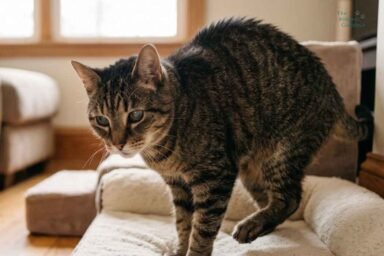
Understanding Arthritis in Cats Arthritis in Cats, also called degenerative joint disease (DJD), is a common condition in senior cats. It occurs when cartilage in…
The decision to say goodbye to a beloved pet is one of the hardest choices any family will ever make. It brings grief, love, and…
Knowing when it’s time to say goodbye to your dog is one of the most painful and emotional decisions a pet parent will ever face….
If you would like to learn more about our service or need advice, we offer free phone consultations with one of our caring vets to discuss your pet's situation.
If you would like to organise a peaceful farewell for your beloved pet at home, you can use our instant booking system or make a booking request and we will get back to you ASAP with availability.
Pricing for our services can be found here.

The Kindest Goodbye now provides one month of free grief counselling and support through Griefity when you book with us. We are also proud to partner with Trees for Pets to provide discounted memorial tree planting in honour of your pet