Arthritis in Cats: Helping Them Stay Comfortable at Home
Understanding Arthritis in Cats Arthritis in Cats, also called degenerative joint disease (DJD), is a common condition in senior cats. It occurs when cartilage in…

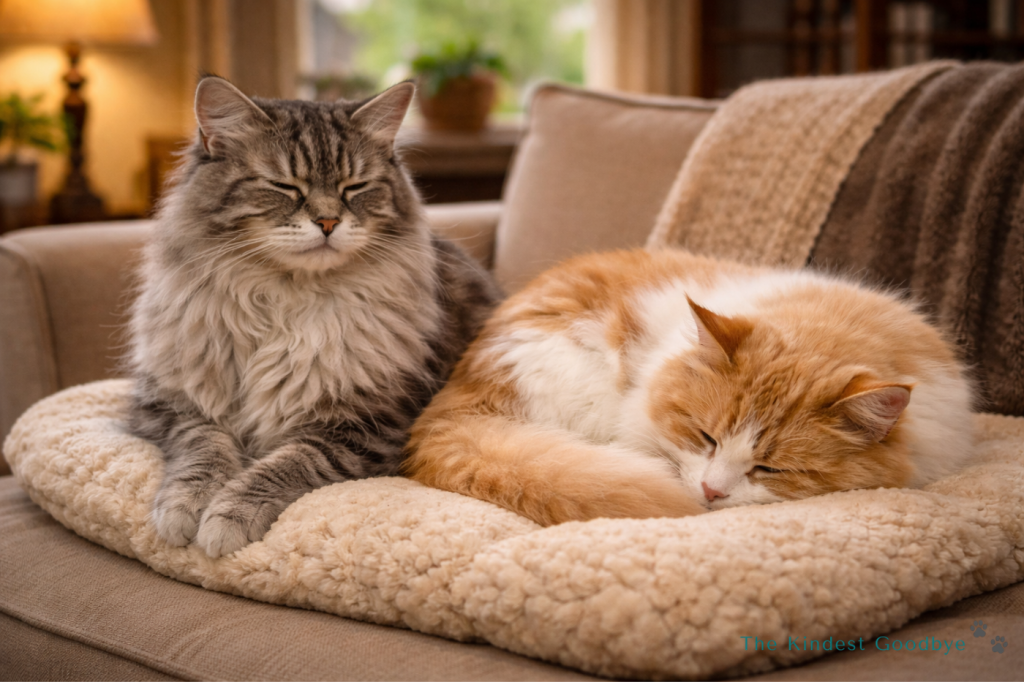
As cats age, their bodies undergo natural changes that can affect their mobility, appetite, cognitive function, and overall health. Senior cats may develop chronic conditions such as arthritis, kidney disease, heart issues, or cognitive decline, and these conditions can impact their daily comfort and quality of life.
Understanding the most common age-related conditions and learning how to provide comfort support is essential for helping your senior cat care supports their golden years with dignity, happiness, and minimal discomfort. This guide explores key health concerns and practical strategies for supporting your senior cat every step of the way.
Cats are generally considered senior around the age of 10–12 years, though many begin to show subtle signs of aging earlier. Advances in veterinary medicine mean cats are living longer than ever, which makes senior cat care increasingly important for families.
Aging affects every system in the body including joints, kidneys, heart, brain, and immune function. Recognising early signs of change allows pet owners to provide comfort support, adjust care routines, and make informed decisions about quality of life.
Many age-related changes are gradual and easy to miss. Common early signs include:
Subtle behavioural shifts can signal underlying medical conditions. Monitoring patterns and reporting changes to your veterinarian is essential for early intervention and comfort management.
Symptoms of Feline Arthritis
Osteoarthritis in cats is one of the most underdiagnosed conditions in older pets. Unlike dogs, cats often hide pain.
Signs may include:
Comfort Support for Arthritic Cats
Support strategies may include:
Early management can significantly improve mobility and quality of life.
Common Symptoms
Chronic kidney disease in senior cats is one of the most common age-related illnesses. It often develops slowly.
Watch for:
Ongoing Management and Comfort
While CKD is progressive, supportive care can help maintain comfort:
Regular bloodwork helps monitor progression and adjust care plans accordingly.
Signs of an Overactive Thyroid
Hyperthyroidism in older cats is caused by an overproduction of thyroid hormone.
Symptoms often include:
Treatment Options
Management may involve:
Early treatment can significantly improve energy levels and comfort.
Hypertrophic Cardiomyopathy (HCM)
Understanding Heart Disease in Senior Cats
Hypertrophic cardiomyopathy is the most common heart disease in cats. It causes thickening of the heart muscle, which affects circulation.
Symptoms may include:
Comfort-Focused Care
While some cases are mild, others require:
Reducing stress and providing a calm environment supports heart health.
Signs of Cognitive Decline
Senior cats can develop cognitive dysfunction syndrome, similar to dementia in humans.
Common signs include:
Supportive Strategies
Providing stability and routine is essential:
Cognitive decline can be distressing, but environmental adjustments can improve daily comfort and security.
Dental disease is extremely common in senior cats and can significantly affect quality of life.
Signs include:
Professional dental care, pain management, and dietary adjustments help maintain oral comfort and nutrition.
Incontinence and Litter Box Changes
Senior cats may experience urinary or fecal incontinence due to arthritis, kidney disease, or cognitive decline.
Helpful adjustments include:
Patience and environmental changes reduce frustration for both cat and owner.
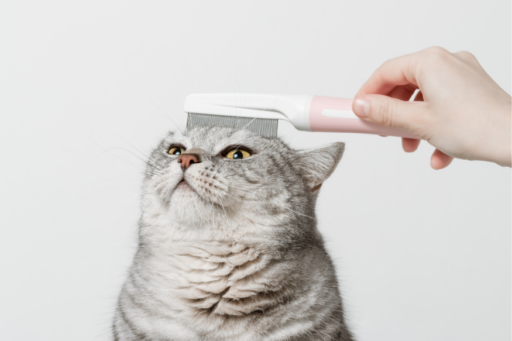
As metabolism changes, nutritional needs shift. Senior cats may require:
Regular weight monitoring is critical to detect early signs of disease.
Creating a Comfortable Home Environment
Simple environmental modifications can greatly improve daily life for aging cats:
Minimising physical strain supports independence and dignity.
Monitoring Quality of Life
When managing chronic conditions, it becomes important to evaluate quality of life regularly.
Consider:
Keeping a simple daily journal can help track patterns and assist in conversations with your veterinarian.
Despite the best medical care, there may come a time when treatments no longer provide comfort. Open discussions about palliative care and in-home euthanasia allow families to prepare thoughtfully.
Early conversations reduce crisis decisions and ensure that any final choices are guided by compassion, dignity, and the prevention of suffering.
Providing attentive care for a senior cat requires awareness, patience, and proactive support. By recognising early signs of common conditions, adjusting your cat’s environment, and working closely with your veterinarian, you can significantly improve their quality of life and daily comfort.
From nutritional support to pain management and environmental modifications, every small adjustment contributes to a senior cat’s wellbeing and allows families to cherish more meaningful time with their beloved companion.
Supporting a senior cat through their later years can feel emotional and overwhelming at times. Learning more about ageing, behaviour changes, and quality of life can help you make informed and compassionate decisions for your beloved companion.
• Cat Euthanasia Understanding the Process
👉 https://thekindestgoodbye.com/au/cat-euthanasia-understanding-the-process/
• Do Cats Sense Being Put to Sleep
👉 https://thekindestgoodbye.com/au/do-cats-sense-being-put-to-sleep/
• 6 Signs your Pet is in Pain
👉 https://thekindestgoodbye.com/au/6-signs-your-pet-is-in-pain/
• RSPCA Australia – Caring for Senior Cats
👉 https://www.rspca.org.au
• Australian Veterinary Association – Pet Health Advice
👉 https://www.ava.com.au
Taking the time to understand your senior cat’s changing needs can make a meaningful difference to their comfort, confidence, and quality of life.
If you ever feel uncertain about symptoms, mobility changes, or end of life care decisions, reaching out to your veterinarian can provide reassurance and support. 💛
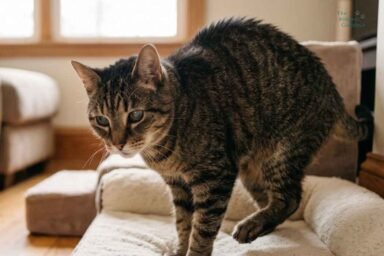
Understanding Arthritis in Cats Arthritis in Cats, also called degenerative joint disease (DJD), is a common condition in senior cats. It occurs when cartilage in…

It’s a question that burdens the hearts of many pet owners across the globe: do dogs feel pain when being put to sleep? It’s a…
Saying goodbye to a beloved dog is one of the hardest decisions a pet owner will ever make. Understanding what dog euthanasia is, how the…
If you would like to learn more about our service or need advice, we offer free phone consultations with one of our caring vets to discuss your pet's situation.
If you would like to organise a peaceful farewell for your beloved pet at home, you can use our instant booking system or make a booking request and we will get back to you ASAP with availability.
Pricing for our services can be found here.

The Kindest Goodbye now provides one month of free grief counselling and support through Griefity when you book with us. We are also proud to partner with Trees for Pets to provide discounted memorial tree planting in honour of your pet