Why In-Home Pet Euthanasia Can Be the Kindest Choice for Your Pet
In-home pet euthanasia is a compassionate choice that prioritises your pet’s comfort and peace during their final moments. Saying goodbye to a beloved pet is…
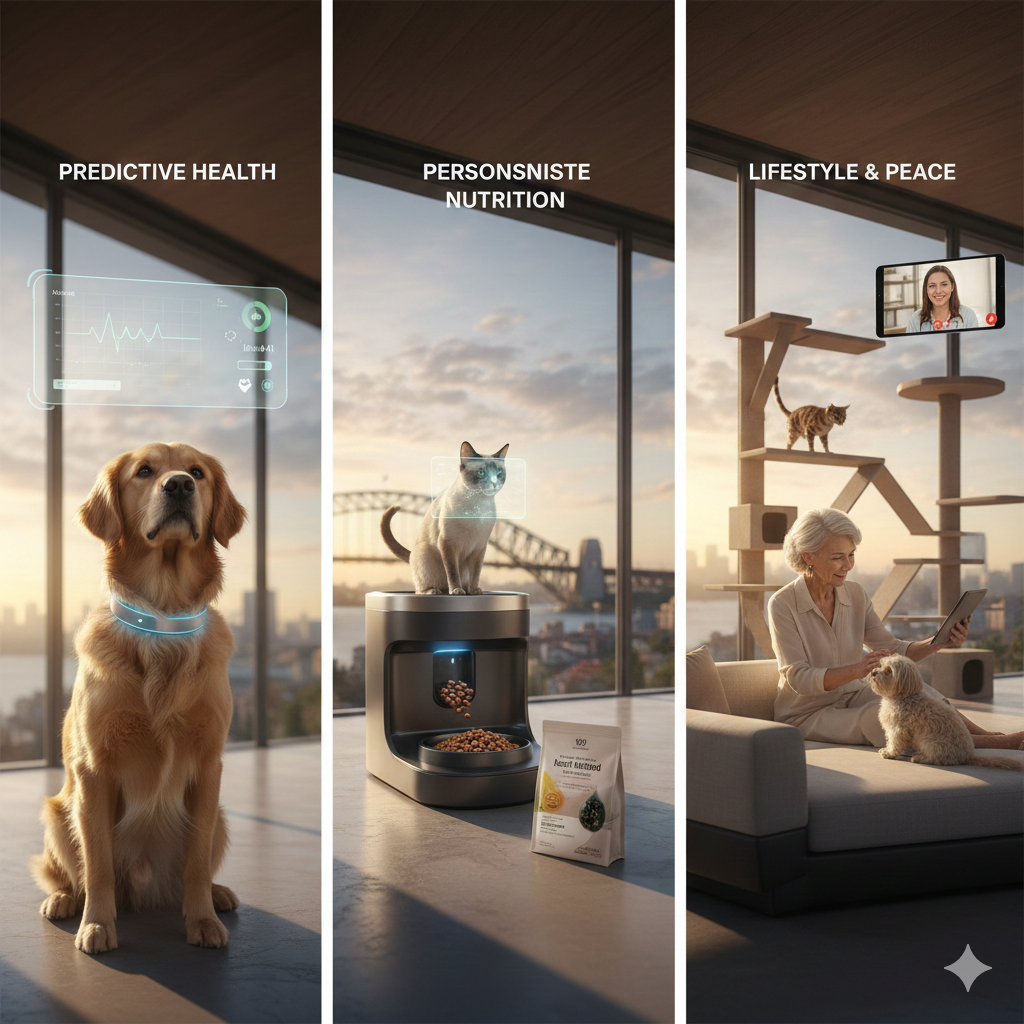
The pet industry in 2026 is undergoing a profound shift. Growth is no longer driven primarily by accessories, novelty products, or convenience services. Instead, it is being shaped by science, longevity, emotional wellbeing, and technology designed to support earlier intervention and better quality of life.
In Australia, this transformation is particularly visible. Pet ownership rates remain among the highest globally, veterinary medicine is advancing rapidly, and pet parents are increasingly informed, emotionally invested, and proactive. The result is a pet industry that looks more like human healthcare than traditional animal services.
Three major forces are defining pet industry trends in 2026: longevity, preventive wellbeing, and intelligent technology.
Australia’s pet industry is moving decisively toward a quality-of-life-first model. This shift is supported by data, cultural change, and demographic trends.
Australian pets are living longer than ever before. Advances in nutrition, vaccination, parasite control, and veterinary medicine have extended average lifespans for both dogs and cats. However, longevity has introduced new challenges. Chronic conditions such as osteoarthritis, cognitive dysfunction, obesity, and anxiety are now among the most common issues seen in older pets.
Recent Australian veterinary studies indicate that:
Over 80 percent of dogs over eight years show signs of degenerative joint disease
Up to 30 percent of senior dogs display early cognitive decline
Obesity affects nearly half of companion animals, significantly reducing mobility and lifespan
As a result, Australian pet owners are no longer focused solely on keeping pets alive longer. They are asking deeper questions about comfort, dignity, and daily wellbeing.
This has driven growth in:
Preventive care programs
Mobility and pain management solutions
Behavioural and emotional health services
In-home veterinary care and low-stress handling
Quality of life assessments are becoming a routine part of veterinary conversations, rather than something reserved for end-of-life discussions.
One of the most important pet industry trends in 2026 is the shift from lifespan to healthspan. Longevity alone is no longer the goal. The focus is now on how well pets live during their extended years.
Scientific research increasingly shows that chronic low-grade pain, stress, and reduced mobility significantly impact a pet’s emotional state long before clinical decline becomes obvious. Pets often adapt silently, masking discomfort as part of their survival biology.
Key longevity trends include:
Pain is now understood as behavioural before it is physical. Subtle changes in engagement, posture, sleep patterns, and social interaction often precede visible lameness. Veterinary professionals are increasingly using behavioural screening tools to identify discomfort earlier.
Joint supplements, physiotherapy, hydrotherapy, environmental modification, and targeted exercise plans are becoming standard long before mobility is lost. Research shows that early intervention can slow progression of arthritis and significantly improve daily comfort.
Canine cognitive dysfunction is now recognised as a common, underdiagnosed condition. Studies indicate that mental stimulation, predictable routines, and reduced stress environments can delay progression and improve quality of life.
Excess weight is one of the strongest predictors of reduced healthspan. Even modest weight reduction has been shown to improve pain scores, cardiovascular function, and energy levels within weeks.
Longevity in 2026 is no longer reactive. It is strategic, personalised, and preventive.
Technology is no longer a secondary layer in pet care. In 2026, it is becoming foundational.
The fastest-growing segment of the pet industry is intelligent monitoring and AI-supported care. These tools are not replacing veterinarians. They are extending observation beyond the clinic into daily life.
Key technology trends include:
Smart collars and harnesses now track:
Activity levels
Sleep quality
Gait changes
Restlessness and pacing
AI systems analyse these patterns over time, flagging deviations that may indicate pain, anxiety, or illness before owners notice obvious symptoms.
Machine learning models are increasingly used to detect subtle behavioural changes associated with stress, cognitive decline, or discomfort. These systems do not diagnose but prompt earlier veterinary consultation.
Virtual consultations are becoming a standard complement to in-person care, particularly for follow-ups, quality-of-life discussions, and behavioural assessments. This reduces stress for pets and improves access for families.
Aggregated pet health data is helping veterinarians identify population-level trends, improve early screening protocols, and personalise care plans based on lifestyle rather than breed alone.
Technology in 2026 is valued not for convenience, but for insight.
Beneath longevity and technology sits a deeper cultural shift. Pets are no longer viewed primarily as dependents. They are recognised as emotionally complex companions whose wellbeing affects the mental health of their families.
This has driven:
Increased demand for grief support services
Earlier conversations about end-of-life care
Integration of counselling and emotional aftercare
Recognition of pet loss as a legitimate form of grief
The most successful pet industry brands in 2026 are those that combine science with compassion. They support families before crisis, not just during it.
Looking ahead, the most influential pet industry trends will continue to converge around one core idea:
Better lives, not just longer lives.
This means:
Earlier intervention rather than late treatment
Emotional wellbeing alongside physical health
Technology that supports human judgment, not replaces it
Care models that prioritise dignity, comfort, and trust
For Australia in particular, where pet ownership is deeply woven into family life, these trends are not temporary or reactive. They reflect a long-term cultural shift that is being driven by a new generation of pet owners who approach animal care through the same lens they apply to their own health and wellbeing.
Younger Australians are highly informed, data-aware, and proactive. They are comfortable using technology to monitor health, track patterns, and intervene early rather than waiting for visible problems to emerge. This mindset is now being applied directly to pets. Quality of life, preventive care, mental wellbeing, and early pain recognition are becoming baseline expectations rather than optional extras.
At the same time, emotional intelligence around animals is growing. Pets are no longer seen simply as companions, but as sentient beings whose physical comfort, emotional safety, and dignity matter at every life stage. Conversations that were once considered difficult, such as ageing, decline, and end-of-life care, are now being approached earlier, with more openness and responsibility.
Technology is accelerating this evolution. From health monitoring tools to telehealth, AI-supported insights, and personalised care plans, Australian pet owners are embracing innovation when it enhances understanding rather than replacing human judgement. The goal is not convenience alone, but clarity, prevention, and better decision making.
Together, these forces represent a permanent evolution in how animals are cared for, understood, and respected in Australia. This is not a passing trend. It is a generational shift toward smarter, kinder, and more informed pet care that will shape the industry for decades to come.
More to read :

In-home pet euthanasia is a compassionate choice that prioritises your pet’s comfort and peace during their final moments. Saying goodbye to a beloved pet is…
5 Things I Wish You Knew Before Euthanising Your Dog is not a guide about making the decision faster, easier, or cleaner. It is a…
Learn How to Talk to Your Child About Losing a Cat, here are 5 compassionate strategies to help your child process the loss of a…
If you would like to learn more about our service or need advice, we offer free phone consultations with one of our caring vets to discuss your pet's situation.
If you would like to organise a peaceful farewell for your beloved pet at home, you can use our instant booking system or make a booking request and we will get back to you ASAP with availability.
Pricing for our services can be found here.

The Kindest Goodbye now provides one month of free grief counselling and support through Griefity when you book with us. We are also proud to partner with Trees for Pets to provide discounted memorial tree planting in honour of your pet