
Incontinence in Senior Dogs
Incontinence in senior dogs is a common condition that can affect urinary or faecal control, impacting both your pet’s comfort and your household routine. While…

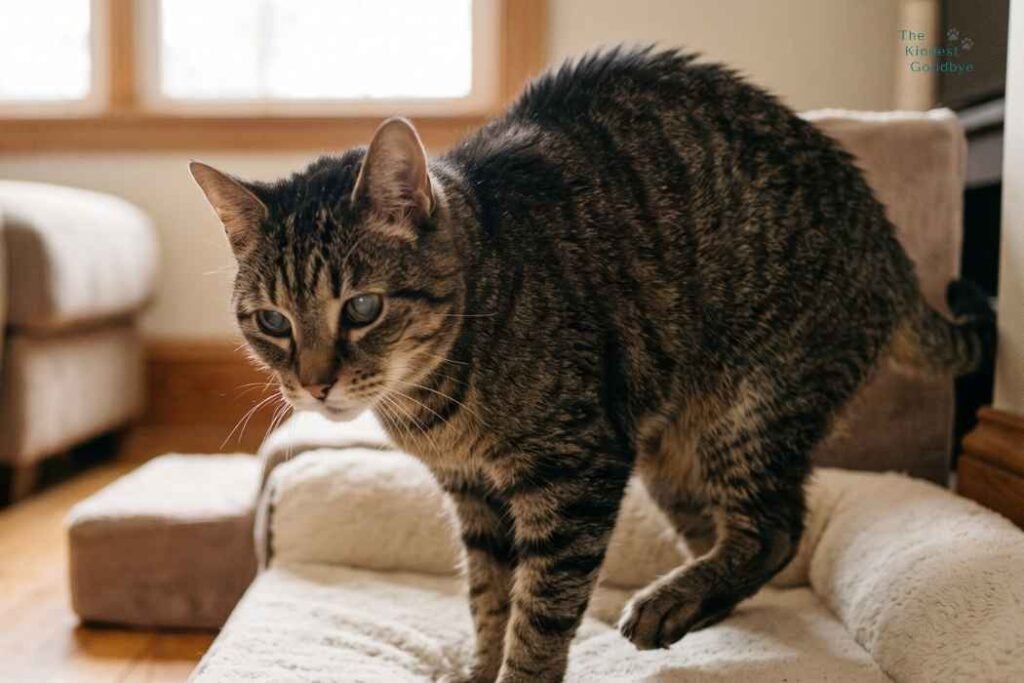
Arthritis in Cats, also called degenerative joint disease (DJD), is a common condition in senior cats. It occurs when cartilage in the joints degenerates, causing pain, stiffness, and reduced mobility. While cats are good at hiding discomfort, arthritis can significantly impact their quality of life if left untreated.
Recognising the early signs of arthritis allows owners to provide comfort-focused care at home, reduce stress, and help cats remain active and happy.
Arthritis can be subtle, and cats often mask pain. Watch for these behavioural and physical changes:
Noticing these signs early allows for timely intervention to support comfort and mobility.
Several factors contribute to arthritis in cats:
Understanding risk factors helps owners proactively monitor for early symptoms and manage lifestyle adjustments.
Accurate diagnosis is essential. A veterinarian may:
Proper diagnosis allows for a comprehensive, tailored care plan to improve comfort.
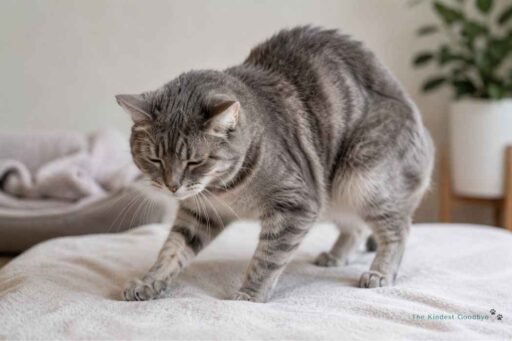
Effective arthritis management often involves a combination of medical and lifestyle interventions:
Combining these strategies helps minimise pain and maintain independence.
Diet plays a key role in managing arthritis:
Regular feeding routines and monitoring weight can support overall mobility and comfort.
Arthritis can make self-grooming difficult, leading to matting or skin irritation. Owners can help by:
Providing grooming support reduces stress and discomfort, and strengthens the bond between owner and cat.
Arthritis is progressive, so continuous monitoring is important:
Keeping a daily log of symptoms and behaviours helps detect patterns and informs treatment decisions.
Simple home modifications can greatly enhance your cat’s comfort:
Consistency, patience, and proactive care help arthritic cats maintain independence, dignity, and overall wellbeing.
Caring for a cat with arthritis requires patience, observation, and proactive support. From environmental modifications and pain management to nutrition and gentle activity, small adjustments can make a significant difference in your cat’s comfort. By addressing arthritis thoughtfully, you can help your cat maintain mobility, independence, and happiness throughout their senior years.
If you are caring for a senior cat or are concerned about changes in your pet’s health and quality of life, these articles may also help:
For cats living with advanced arthritis or other age related conditions, the focus may eventually shift from treating the condition to prioritising comfort, dignity, and quality of life.
If you are worried about your cat’s comfort or facing difficult decisions about their care, our compassionate vets at The Kindest Goodbye are here to guide you through every step with care and dignity. You are not alone.
Incontinence in senior dogs is a common condition that can affect urinary or faecal control, impacting both your pet’s comfort and your household routine. While…

End-of-life care for dogs at home is one of the most compassionate decisions a pet owner can make. Knowing how to provide this care ensures…
Knowing when it’s time to say goodbye to your dog is one of the most painful and emotional decisions a pet parent will ever face….
If you would like to learn more about our service or need advice, we offer free phone consultations with one of our caring vets to discuss your pet's situation.
If you would like to organise a peaceful farewell for your beloved pet at home, you can use our instant booking system or make a booking request and we will get back to you ASAP with availability.
Pricing for our services can be found here.

The Kindest Goodbye now provides one month of free grief counselling and support through Griefity when you book with us. We are also proud to partner with Trees for Pets to provide discounted memorial tree planting in honour of your pet