What Happens During the Pet Euthanasia Process in Australia: A Step-by-Step Guide
The decision to say goodbye to a beloved pet is one of the hardest choices any family will ever make. It brings grief, love, and…

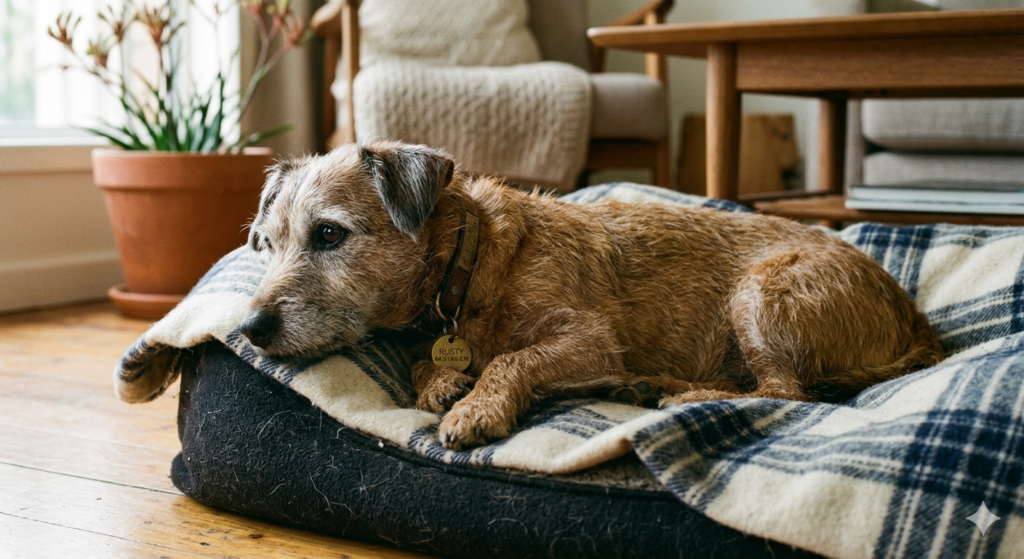
As dogs grow older, they experience natural changes that can affect mobility, organ function, and overall wellbeing. Senior dog Care is important as senior dogs are prone to conditions such as arthritis, cognitive dysfunction, heart disease, and sensory decline, all of which can impact their daily comfort and quality of life.
Understanding these common age-related conditions and learning how to provide supportive care at home allows pet owners to help their dogs stay active, happy, and healthy throughout their senior years. This guide explores the signs to watch for, practical management strategies, and ways to maintain your dog’s comfort and independence.
Dogs are typically considered senior around 7–10 years of age, depending on breed and size. As dogs age, their bodies experience natural changes that can impact mobility, organ function, and overall health.
Understanding the common age-related conditions that affect senior dogs allows owners to provide supportive care, early intervention, and comfort, helping their pets live healthier, happier later years.
Age-related changes in senior dogs can be subtle at first. Key signs include:
Recognising these signs early allows owners to adjust care routines and consult a veterinarian when necessary.
Osteoarthritis is common in senior dogs, causing pain, stiffness, and reduced mobility. Signs to watch for include:
Supportive strategies include:
Early management improves comfort and quality of life.
Senior dogs may develop cognitive dysfunction syndrome (CDS), similar to dementia in humans. Signs include:
Supporting mental function can slow progression and reduce stress.
Senior dogs are at higher risk of heart disease and high blood pressure. Signs may include:
Management strategies may involve:
Early detection improves longevity and comfort.
Age can affect kidney and liver function, impacting metabolism and overall health. Signs of possible issues include:
Senior Dog Care Management often involves:
Proper monitoring helps maintain energy and wellbeing.
Senior dogs may experience declines in vision or hearing, affecting their interaction with the environment. Signs include:
Support strategies:
Adapting to sensory changes enhances confidence and safety.
Dental disease is common in older dogs and can cause pain, infection, and loss of appetite. Watch for:
Senior Dog Care Strategies:
Maintaining oral health supports overall wellness and comfort.
Some senior dogs develop urinary or fecal incontinence due to age, arthritis, or organ issues. Management includes:
Environmental adjustments reduce stress and accidents for both dog and owner.
Senior dogs often require dietary adjustments:
Proper nutrition supports energy, mobility, and overall quality of life.
Even senior dogs need activity to maintain joint flexibility and cognitive function:
Maintaining a routine promotes physical comfort and mental wellbeing.
Small adjustments at home can greatly improve a senior dog’s comfort:
A comfortable environment helps senior dogs remain independent and secure.
Caring for a senior dog comes with unique needs, and understanding the changes they experience can help you support them with comfort and compassion.
• Understanding Dog Behaviour Before Death
👉 https://thekindestgoodbye.com/au/dog-behaviour-before-death/
• How Old Is My Dog? Understanding Dog Age in Human Years in Australia
👉 https://thekindestgoodbye.com/au/how-old-is-my-dog-understanding-dog-age-in-human-years-in-australia/

The decision to say goodbye to a beloved pet is one of the hardest choices any family will ever make. It brings grief, love, and…
How Old Is My Dog? Understanding Dog Age in Human Years in Australia “How old is my dog in human years?” It is one of…
As cats age, their bodies undergo natural changes that can affect their mobility, appetite, cognitive function, and overall health. Senior cats may develop chronic conditions…
If you would like to learn more about our service or need advice, we offer free phone consultations with one of our caring vets to discuss your pet's situation.
If you would like to organise a peaceful farewell for your beloved pet at home, you can use our instant booking system or make a booking request and we will get back to you ASAP with availability.
Pricing for our services can be found here.

The Kindest Goodbye now provides one month of free grief counselling and support through Griefity when you book with us. We are also proud to partner with Trees for Pets to provide discounted memorial tree planting in honour of your pet