Pet Industry Trends for 2026
Pet Industry Trends in Australia, Longevity, and Technology The pet industry in 2026 is undergoing a profound shift. Growth is no longer driven primarily by…

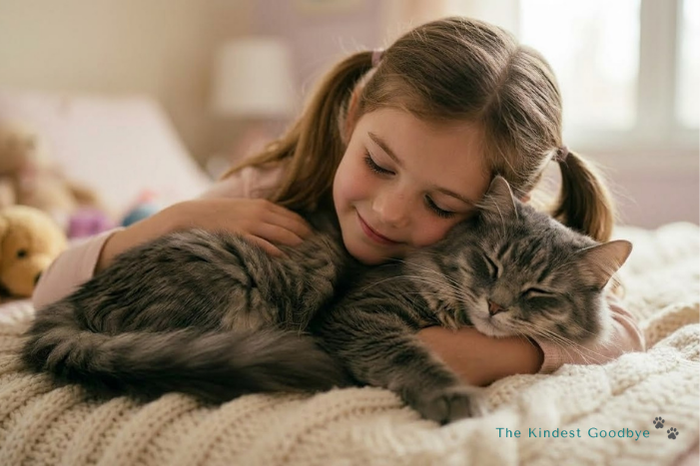
F or many families, a pet is a child’s first best friend. When that beloved companion becomes ill or reaches the end of their life, parents are often left wondering how to help children cope with pet loss in a healthy and supportive way.
Because a pet’s passing may be a child’s first experience with death, it can bring confusion, fear, sadness, and difficult questions.
Understanding how children process grief at different ages and how to speak honestly about pet euthanasia in Australia can help you guide them with compassion. With the right support, children can learn that grief is a natural part of love, and that saying goodbye can still be gentle and meaningful.
For many children, a pet is more than an animal. They are a best friend, playmate, and source of unconditional love. In many cases, the loss of a pet may be a child’s first experience with death, making it both confusing and overwhelming.
Children often form deep emotional attachments to pets because they provide comfort, routine, and security. When that bond is broken through illness, ageing, or in home pet euthanasia, children may struggle to understand what has happened and why.
Understanding how children process grief at different ages is essential when helping them cope with pet loss in a healthy and supportive way.
A child’s reaction to pet loss depends largely on their developmental stage.
Young children may not fully grasp that death is permanent. They might believe their pet will return or ask repeatedly when they are coming back. At this stage:
Keep explanations simple and clear
Avoid phrases like “put to sleep” that may create confusion or fear
Offer reassurance and comfort
Children this age need emotional security and physical reassurance more than detailed explanations.
Older children begin to understand that death is permanent but may struggle with feelings of guilt or responsibility. They may wonder if something they did caused the pet’s illness or passing.
Encourage open conversations and reassure them that:
The decision was made out of love and compassion
Their pet was not abandoned
They are not to blame
Teenagers understand death cognitively but may process grief privately. They might appear withdrawn or minimise their feelings while experiencing deep sadness internally.
Respect their coping style while still offering space to talk.
If euthanasia is planned, preparing children ahead of time can reduce confusion and fear. Honest communication builds trust and prevents feelings of betrayal later.
Important considerations include:
Explain that euthanasia is a medical procedure to prevent suffering
Emphasise that the pet will not feel pain
Allow children to ask questions openly
Offer them a choice about being present, without pressure
Providing age appropriate explanations helps children feel included rather than excluded from the process.
There is no single right answer. The decision should be based on:
The child’s age and emotional maturity
Their expressed wishes
Their previous experiences with illness or death
If they choose to be present, prepare them gently for what they may see. Explain that the veterinarian will first give medication to help the pet relax and fall into a deep sleep before the final injection.
Children who are well prepared are less likely to experience shock or distress. Those who prefer not to be present can still say goodbye in their own meaningful way.
Grief in children does not always look like adult grief. It may appear as:
Sadness and crying
Irritability or anger
Changes in sleep or appetite
Regression such as bedwetting or clinginess
Difficulty concentrating at school
Some children move in and out of grief quickly. They may cry one moment and return to play the next. This is normal and reflects their developmental coping style.
Reassure children that all feelings are valid and that there is no right way to grieve.
Helping children express their feelings in healthy ways can prevent suppressed emotions.
Supportive strategies include:
Drawing pictures of their pet
Writing a letter or poem
Creating a memory box
Looking at photos together
Sharing favourite stories
Creative activities allow children to process grief in a way that feels safe and manageable.
Using clear language is one of the most important considerations when helping children cope with pet loss.
Avoid euphemisms or inaccuracies such as:
“Went to sleep”
“Ran away”
“We gave them away”
These phrases can cause confusion or even anxiety, especially around sleep. Instead, gently explain that the pet’s body stopped working and they cannot come back.
Honesty fosters trust and emotional security.
Children often ask:
Could we have done more
Why didn’t the vet fix them
Did they know we loved them
Reassure them that:
The decision was made to stop suffering
The veterinarian did everything possible
Their pet felt safe and loved
Repeated reassurance may be necessary, especially in the weeks following the loss.
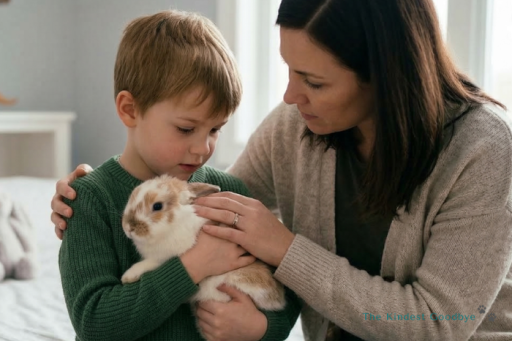
Grief does not end after the memorial. Children may revisit sadness on birthdays, holidays, anniversaries, or when seeing similar animals.
Continue checking in emotionally. Keep communication open and normalise conversations about the pet.
Maintaining routines can also provide stability during emotional adjustment.
Memorial rituals help children process loss and say goodbye in a tangible way.
Ideas include:
Planting a tree or flowers
Holding a small family ceremony
Framing a favourite photo
Creating paw print keepsakes
Donating to an animal charity in their pet’s name
Memorials reinforce that their pet’s life mattered and that love continues even after death.
While grief is normal, some signs may indicate a child needs extra support:
Persistent anxiety or nightmares
Ongoing withdrawal from activities
Severe guilt or self blame
Declining academic performance
Depression lasting several weeks
In these cases, speaking with a child psychologist or grief counsellor can provide professional guidance.
For some children, the loss of a pet can create fear about other loved ones dying. Offer reassurance that:
Most people and pets live long lives
The illness was specific to their pet
They are safe and cared for
Rebuilding a sense of security is essential in restoring emotional balance.
Children may ask about getting a new pet soon after the loss. This can be a natural response to grief and longing.
Important considerations include:
Avoid framing a new pet as a replacement
Allow time for emotional processing
Ensure the family is ready collectively
Introducing a new pet should feel like welcoming a new relationship, not filling a void.
Supporting a child through the loss of a pet requires patience, honesty, and reassurance. By using clear language, encouraging emotional expression, and maintaining loving routines, families can help children feel secure even during painful transitions.
Every child grieves differently, and there is no perfect script. What matters most is creating a space where feelings are welcomed, questions are answered openly, and the memory of their beloved companion is honoured with kindness.
If you are facing this decision, our compassionate vets at The Kindest Goodbye are here to guide you through every step with care and dignity. You are not alone.
To continue exploring compassionate pet care and end of life support in Australia, you may find these helpful:

Pet Industry Trends in Australia, Longevity, and Technology The pet industry in 2026 is undergoing a profound shift. Growth is no longer driven primarily by…

As dogs grow older, they experience natural changes that can affect mobility, organ function, and overall wellbeing. Senior dog Care is important as senior dogs…
How Do You Know When It’s Time to Say Goodbye to Your Beloved Pet? Saying goodbye to a cherished pet is never just a decision,…
If you would like to learn more about our service or need advice, we offer free phone consultations with one of our caring vets to discuss your pet's situation.
If you would like to organise a peaceful farewell for your beloved pet at home, you can use our instant booking system or make a booking request and we will get back to you ASAP with availability.
Pricing for our services can be found here.

The Kindest Goodbye now provides one month of free grief counselling and support through Griefity when you book with us. We are also proud to partner with Trees for Pets to provide discounted memorial tree planting in honour of your pet